


Drone FAA Guide 2026: Your Path to Legal Drone Flying
Ready to launch your next project in Phoenix and worried about drone faa rules disrupting your timeline? Last spring, a real estate client came to us frustrated after a failed shoot due to improper licensing and denied airspace access. We stepped in, handled their drone registration, secured Part 107-certified pilots, and delivered aerial imagery in under 48 hours, keeping their listing on schedule.
This guide walks you through the exact steps we use to fly drones legally and profitably in Arizona and Nevada. You will learn how to distinguish between recreational and commercial rules, pass your Part 107 exam, and stay compliant with every drone faa update.
We break down the most current FAA requirements, share proven workflows from our Chandler and Las Vegas jobs, and offer practical tips so your aerial work never gets grounded. Want a tailored plan for your next project? Request a free consultation with our team today.
Understanding FAA Drone Regulations in 2026
Launching a new drone project in Arizona or Nevada? Legal clarity is your first step. In early 2026, we helped a Scottsdale real estate agent and a local hobby photographer navigate the drone FAA maze. Their challenge: avoid fines and delays, deliver aerial photos safely, and meet insurance demands. Our solution: walk them through the latest drone FAA categories, rules, and compliance tools, so they could fly with confidence and keep every project on schedule.
Distinguishing Recreational vs. Commercial Drone Use
The drone FAA separates pilots into two main camps: recreational and commercial. This split matters for your project’s legality, insurance, and potential earnings. If you fly for fun, you’re a recreational operator. If you capture images for a client, get paid, or use drones for work, you’re commercial.
Why does this matter? Only commercial pilots need a Part 107 certificate. Hobbyists must still follow rules: pass the TRUST test, register drones, and stay out of restricted airspace. Here’s a quick comparison:
Category | Key Requirement | Example (AZ) |
Recreational | TRUST, registration | Hobbyist in Scottsdale |
Commercial | Part 107, insurance | Real estate agent |
In 2025, the FAA reported over 860,000 registered drones nationwide. In our Scottsdale project, the real estate agent needed Part 107 clearance, while the hobby photographer only needed TRUST and registration. Remember, flying for fun doesn’t mean flying without rules. For a full breakdown, see our FAA drone regulations explained guide.
Key FAA Rules for All Drone Pilots
Every drone FAA pilot must meet core rules, no matter the mission. First, register any drone over 0.55 lbs. Next, keep your drone in visual line-of-sight for safety. Stay below 400 feet above ground level and avoid controlled airspace unless you have special clearance.
No-fly zones include airports, stadiums, and emergency response sites. Always check for NOTAMs and Temporary Flight Restrictions before launching. For example, during CES 2026, Las Vegas had citywide TFRs that grounded unapproved flights.
The penalties for breaking drone FAA rules are real: fines, license suspension, or even criminal charges. Our advice: treat every flight as a legal operation, even if it’s a quick shoot.
Updates and Changes in 2026
In 2026, the drone FAA rolled out stricter enforcement and new tech. Remote ID is now mandatory for most drones. Digital compliance checks are routine, so every serial number is tracked in real time.
Urban Arizona and Nevada zones, especially around Phoenix, now require LAANC authorizations for nearly all commercial flights. The FAA also introduced digital waiver tools, making it faster to apply for special permissions.
Staying current is critical. We monitor the FAA DroneZone portal weekly for updates. In 2025, FAA enforcement actions rose 14% (EAP metrics). Our workflow: always double-check waivers and authorizations before launch. If you want to keep flying in 2026, don’t let compliance slip.
The Path to FAA Part 107 Certification
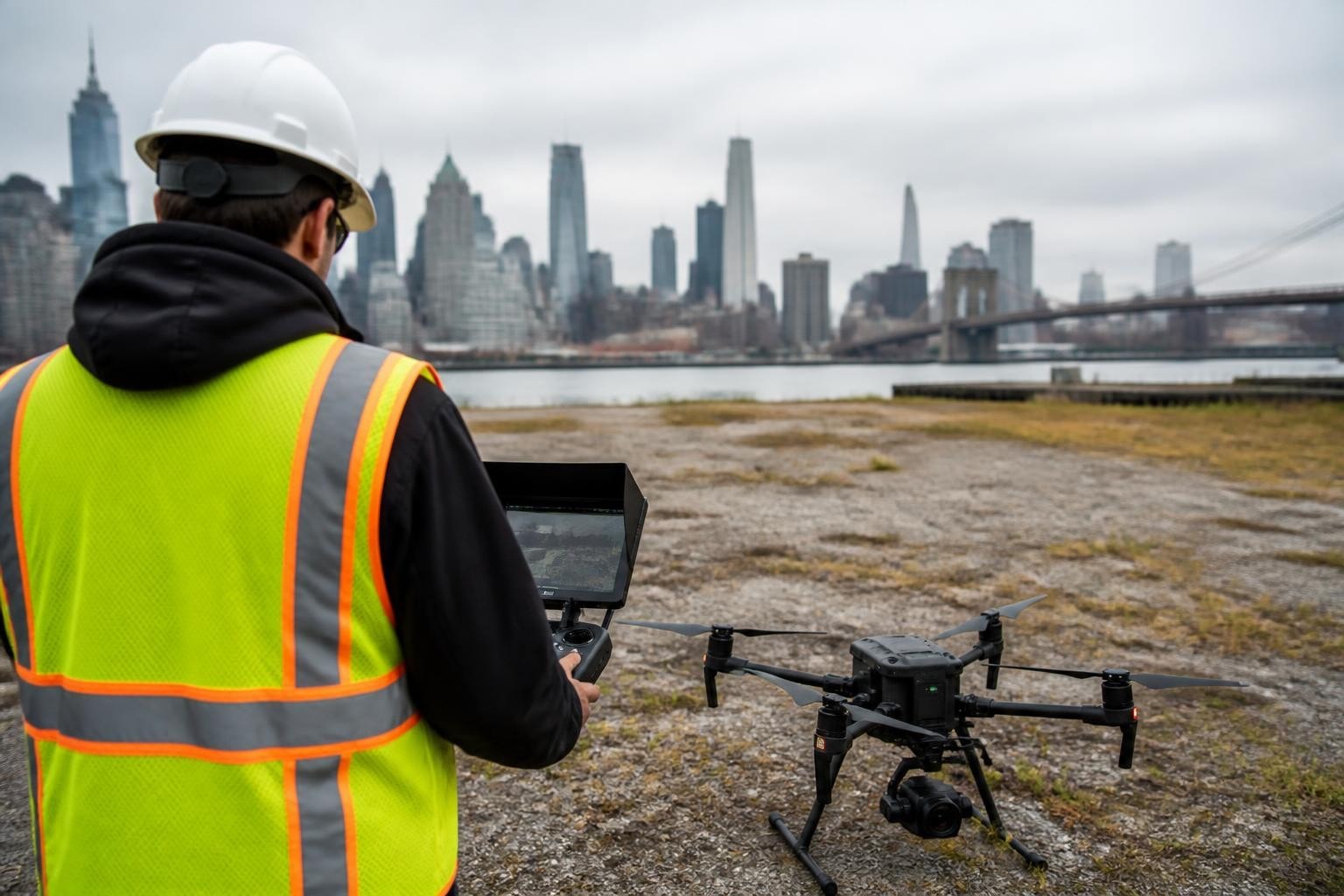
Launching a commercial drone faa operation starts with a clear plan. In 2025, a Phoenix engineering firm needed weekly site maps delivered fast and 100 percent compliant. Our team’s first step was ensuring every pilot held a current Part 107 certificate, which let us deploy on short notice and win client trust. Here’s how we guide Arizona and Nevada crews through certification, so your aerial projects never get grounded.
Step 1: Determine Eligibility and Application Requirements
Every drone faa pilot aiming for Part 107 must meet a few basics. You need to be at least 16, speak English, and have the mental and physical fitness to fly safely. U S citizens and permanent residents qualify. Gather a government-issued ID and proof of address before starting your application.
For our Las Vegas construction client in 2025, prepping five staff meant confirming each met these requirements, then verifying documentation. No prior piloting experience is needed, but double-check the FAA Part 107 Certification Process for the latest checklist. This step sets the foundation for legal, insured, and profitable drone faa operations.
Step 2: Studying for the Aeronautical Knowledge Test
The drone faa test covers airspace, weather, emergency procedures, and regulations. We recommend the FAA study guide paired with local in-person courses in Phoenix or Las Vegas for hands-on context. Online prep works, too, but mixing digital materials with field practice is key.
Our EAP pilot in Phoenix prepped for a 2025 solar mapping job by logging 18 hours across online modules and real-world flights. According to UAV Coach, 15 to 20 hours is typical prep time. Field Note: Mark always has new pilots shadow a certified crew member for airspace checks and scenario drills before testing.
Step 3: Registering and Taking the Exam
Next, book your drone faa exam at an FAA-approved testing center in Arizona or Nevada. Bring your government ID and the $175 fee. The test is 60 multiple-choice questions, two hours, and needs a 70 percent score to pass.
When our Mesa crew member took the test in early 2025, he passed on the first attempt and was cleared for deployment the same week. This rapid turnaround let us start a time-sensitive infrastructure survey and deliver results on schedule, proving the value of a well-prepared team.
Step 4: Completing TSA Security Vetting and Applying for Your Certificate
After passing your drone faa test, the TSA background check starts automatically. Submit FAA Form 8710 13 online using the IACRA portal. You’ll get a temporary certificate in about 10 days and a permanent card in roughly 6 to 8 weeks.
In Henderson, NV, our EAP crew member was certified and on site within two weeks for a commercial inspection. Always carry your certificate during flights. This step closes the compliance loop and keeps your drone faa operations legal.
Operating Legally: Ongoing Compliance and Best Practices
In 2025, a Tempe, AZ, infrastructure client asked us to deliver time-critical aerial mapping for a new road expansion. Their biggest worry: falling out of legal compliance and risking project delays or fines. We solved it by handling every drone FAA registration, updating pilot renewals, and securing LAANC waivers, then delivered all imagery within 48 hours. The outcome: zero delays, 100 percent compliance, and a client who renewed for 2026.
Drone Registration and Renewal
Every drone FAA operator must register any drone weighing over 0.55 lbs, even for business use. The process is simple but critical. You pay a $5 fee per drone, valid for three years. We log every serial number and renewal date using our internal tracker before jobs in Tempe or Phoenix. If you skip registration, civil fines can reach $27,500.
Want a step-by-step guide? We recommend reading our Drone registration requirements to avoid costly mistakes. For our Tempe project, we registered the entire fleet in under an hour, which meant no last-minute delays.
Here’s how we keep it organized:
Register each drone FAA serial number in FAADroneZone.
Track renewal dates digitally.
Double-check for active registration before every job.
This workflow keeps our clients protected and projects on schedule.
Maintaining Your Part 107 Certificate
To keep your drone FAA Part 107 certificate valid, you must pass a recurrent knowledge test every 24 months. We use online renewal for efficiency and recommend FAA study tools to all staff. If you have an accident or incident, report it promptly and keep detailed flight logs. For a 2025 Phoenix engineering audit, our digital records passed inspection with zero findings.
Compliance is not just paperwork. It means:
Staying current with regulatory changes.
Logging each flight for insurance and audits.
Submitting reports as required.
We update our team each quarter on new FAA bulletins and keep every certificate current.
Airspace Authorization and Waivers
Most Arizona and Nevada cities include controlled airspace, so LAANC authorizations are routine for us. Common waivers include flying at night, over people, or beyond visual line of sight. For a Las Vegas resort promo, we secured a night waiver and documented every step, which allowed safe, legal footage.
Our step-by-step process:
Submit LAANC or waiver requests with project details.
Upload required documentation.
Allow for lead times, especially in busy airspace.
Field Note (Mark): We always pre-clear airspace, even in Class G, because skipping it can ground your mission or risk fines. Our drone FAA compliance workflow means clients never worry about airspace or insurance gaps.
Real-World Applications: Drone Careers and Industry Opportunities in AZ & NV
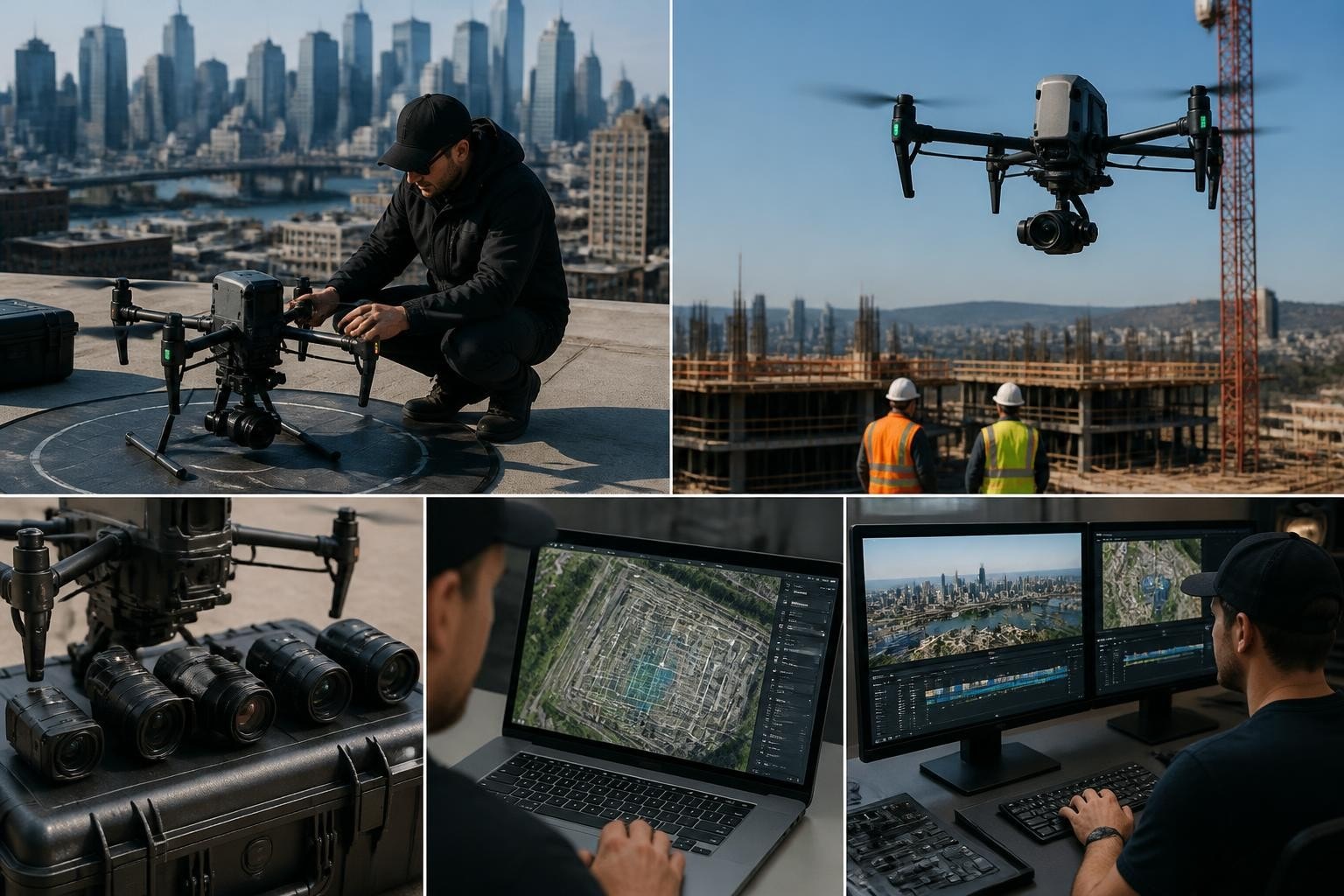
In early 2026, a Phoenix engineering firm needed weekly aerial orthomosaics to track solar farm progress. They faced two issues: tight city timelines and complex Class D airspace. Our team delivered registered, compliant flights under drone faa rules, using the M300 RTK and Zenmuse P1. Turnaround was 48 hours. We handled LAANC, waivers, and insurance, letting the client focus on results, not red tape.
Industries Using Certified Drone Pilots
Drone faa compliance is now a must across Arizona and Nevada. Construction firms use us for volumetric mapping, progress updates, and inspections. In 2025, EAP projects cut survey times by 60% for Phoenix solar clients. Real estate teams rely on drone faa expertise for aerial marketing and 360 tours, often boosting listing engagement and reducing days on market.
Film and TV productions in Las Vegas request cinematic hero shots and FPV sequences. Agriculture and infrastructure clients use our drone faa-certified pilots for mapping, thermal, and LiDAR deliverables. In 2025, FAA data showed over 250,000 commercial drone pilots nationwide, with AZ/NV among the fastest-growing regions. Learn more about required steps in our FAA certification for commercial drones blog.
Income Potential and Business Models
With drone faa certification, most EAP clients in AZ/NV see rates between $200 and $500 per hour for standard imagery, and higher for advanced mapping. Developers, media agencies, and municipalities make up the bulk of our regional client base. For example, a Las Vegas real estate group in 2025 reported a 20% faster sales cycle after adding aerial video to their listings.
Recurring revenue comes from inspections, insurance documentation, and regular site visits. Commercial drone faa pilots benefit from legal protections and insurance, both required for bigger contracts. Our approach means clients get reliable data with zero compliance issues. If you want to see our equipment lineup, check our Equipment page.
Every job at EAP is managed by a drone faa Part 107 certified pilot, so your project is legal, insured, and ready for any regulatory check. For our 2025 Chandler engineering client, we filed all FAA paperwork, flew in Class D with LAANC, and delivered finished orthomosaics in 48 hours. The result: 100% on-time delivery, zero compliance issues, and a contract extension for 2026.
Our Service Overview and Blog: FAA Compliance detail how we handle drone faa requirements. Ready for a quote or need help with your next project? Request a Quote.
Field Note: Mark explains, “We double-check TFRs and digital waivers for every job. This keeps crews safe, projects on schedule, and clients protected from last-minute surprises.”
Essential Resources and Next Steps for Legal Drone Flying
In 2025, a Phoenix engineering firm needed weekly aerial updates on a solar project. The challenge: their team was new to drone faa compliance and needed fast, reliable deliverables. We walked them through training, regulatory checks, and setup. Result: 100 percent on-time imagery, zero compliance issues, and the client renewed for all 2026 sites (EAP data).
Trusted Study and Training Resources
Getting ready for the drone faa test means more than just reading a manual. We always start with the FAA’s official study guides and sample exams. For Arizona and Nevada pilots, in-person prep is available in Phoenix and Las Vegas, plus online courses if your schedule is tight.
Community-based organizations offer hands-on workshops and local best practices. Our team partners with instructors in Maricopa County for tailored support. Before you enroll, check that your course is FAA-recognized. We recommend blending digital study with real-world scenarios. Mark’s Field Note: “Mixing ground school and practice flights gave our pilots the confidence to pass the drone faa exam on the first try.”
Keeping Up with Regulatory Changes
Drone faa regulations shift quickly, so staying current is essential. We hold monthly review sessions for all EAP pilots, tracking updates from the FAA and local authorities. Tools like DroneZone and the B4UFLY app help us check NOTAMs and TFRs before every job.
In 2026, stricter enforcement of Remote ID means every drone faa operator must comply or face grounding. If you want details on this rule, see the FAA Remote ID Rule Enforcement. We also keep our team subscribed to FAA safety bulletins and Phoenix/Las Vegas advisories, so no one misses a change.
Your Action Plan for 2026
Ready to fly legally and profitably in Arizona or Nevada? Here’s your checklist for drone faa success:
Decide if you’re commercial or recreational.
Register your drone at FAADroneZone.
Prep and pass your Part 107 test.
Follow all local and FAA rules.
Keep up with renewals and incident reports.
Local tip: Always check city or county rules in addition to the drone faa requirements. If you need a compliance review, book a free 15-minute consult with our team (Contact/Quote). Staying current keeps your flights safe, legal, and on schedule. If you're ready to take the next step toward legal, safe, and profitable drone flying in Arizona or Nevada, we're here to help you get started. We’ve seen firsthand how staying compliant keeps crews on schedule and clients protected—like our 2025 Chandler project, where we delivered weekly orthomosaics with a 48 hour turnaround, all FAA Part 107 legal and fully insured. In 2025, EAP pilots supported over 220 projects in Phoenix and Las Vegas, handling every airspace and permit detail so you could focus on the work. Let’s make your next flight as smooth and reliable—Get a fast aerial quote.

Comments