


Aerial Drone Guide: Expert Insights for 2026
Thinking of taking your aerial drone operations to new heights in 2026? The sky’s not the limit, it’s just the starting line. Across Arizona and Nevada, aerial drone technology is redefining how teams approach film shoots in Phoenix, site mapping in Las Vegas, and inspections for solar fields. With the FAA updating Part 107 rules and drone-enabled projects delivering 30 percent faster approvals in 2023 (EAP), staying on top of the latest industry trends is essential.
Every successful aerial drone mission now demands advanced equipment, expert pilots, and a clear understanding of local airspace. Whether you want to capture cinematic footage, map a construction site, or streamline inspections, knowing which drone to use and how to operate legally makes all the difference. This guide delivers actionable insights, service recommendations, equipment details, and real-world case studies proven in the Southwest. Ready to elevate your next project? Request a quote and let’s get started.
The 2026 Aerial Drone Landscape: Trends & Market Outlook
Thinking about the future of aerial drone operations in Arizona and Nevada? The landscape is changing quickly, with new technology, regulations, and business opportunities emerging every year. Staying ahead means understanding the trends shaping how aerial drone services deliver real value to clients across industries.
Key Industry Trends Shaping Drone Adoption
Aerial drone adoption is accelerating nationwide. The U.S. commercial drone market is projected to hit $58 billion by 2026, according to Statista (2024). This surge is fueled by smarter tech and demand for advanced data. AI-driven flight automation and real-time analytics are transforming how crews plan, fly, and deliver results. Drones now interpret complex environments, adjusting in real time for wind, obstacles, or changing light.
FAA regulations are evolving, with more operators securing Part 107 waivers and approval for BVLOS (Beyond Visual Line of Sight) missions. This opens new doors for mapping, inspections, and survey work in vast Arizona and Nevada landscapes. Industries like construction, film, and real estate are investing in high-resolution aerial drone imaging. In 2023, Extreme Aerial Productions documented a 30 percent boost in project approvals for clients using drone-generated data.
Solar inspections and environmental monitoring are on the rise, especially as Arizona’s renewable sector expands. FPV (First Person View) drones are gaining traction for immersive video, giving marketing teams fresh ways to engage audiences. The integration of GIS, LiDAR, and thermal imaging is making aerial drone surveys more precise and actionable. For a deeper dive into how AI is reshaping the industry, see this AI-driven drone capabilities expansion report.
Regional Insights: Arizona & Nevada
The Southwest is at the forefront of aerial drone innovation. Phoenix and Las Vegas are seeing rapid growth in certified drone service providers, with city governments rolling out drone-friendly initiatives and STEM education programs. Local pilots are collaborating with developers, surveyors, and marketers to capture unique perspectives and actionable data.
In Scottsdale, construction mapping projects now use drones for weekly orthomosaic updates, cutting manual survey time by 40 percent (EAP, 2024). Resorts in Henderson are leveraging cinematic aerial drone shots to showcase amenities and boost bookings. Local airspace regulations in metro areas require careful planning, but waivers and close coordination with airports make projects possible.
The demand for high-res mapping, solar inspections, and immersive video keeps rising. As more businesses see the ROI, aerial drone missions are becoming a standard part of project workflows across the region.
As we move toward 2026, those who understand these trends—and tap into local expertise—will be best positioned to lead and innovate with aerial drone technology.
Choosing the Right Aerial Drone for Your Needs
Selecting the right aerial drone in 2026 is key to unlocking project success, especially in demanding Arizona and Nevada environments. With rapid tech innovation and more choices than ever, understanding your options is crucial.
Drone Types: Prosumer, Professional, Enterprise
The aerial drone market now features three main categories: prosumer, professional, and enterprise. Each serves a different need and budget. Prosumer drones offer high-quality imagery and automation, ideal for real estate or small marketing shoots. Professional models, like the DJI Mavic 3 Pro Cine, raise the bar with 8K video, 50MP stills, and advanced gimbals, supporting film and TV work in Phoenix and Las Vegas.
Enterprise drones, such as the Autel EVO Max Series, handle heavy payloads, LiDAR, and thermal sensors. These are essential for mapping, inspections, and large-scale surveys. In Scottsdale, for example, our team delivered 99% accuracy on an orthomosaic mapping project using enterprise-level gear (EAP, 2024).
Here is a quick comparison:
Type | Camera Quality | Flight Time | Payload | Cost Range |
Prosumer | 4K, 20-48MP | 30 min | Light | $1K–$2.5K |
Professional | 8K, 50MP | 40 min | Medium | $3K–$7K |
Enterprise | 8K/thermal | 45+ min | Heavy | $9K–$25K+ |
For a Phoenix real estate shoot, a prosumer aerial drone may suffice, but a Las Vegas construction site needs a robust enterprise model. If you want a deeper dive on these categories, check out our Prosumer vs. Professional Drones guide.
Budget matters too. Rental is often smart for one-off shoots, while ownership pays off for regular mapping or inspections. According to EAP data, clients who invested in their own aerial drone fleet saw ROI within 18 months (2023).
Advanced Features to Look For
Today's aerial drone features go far beyond simple flight. Obstacle avoidance, now standard on top models, keeps operations safe near structures and power lines. Omnidirectional sensors, paired with AI flight controls, reduce human error and streamline missions.
Automated waypoint mapping and real-time data transmission are game changers for surveyors and engineers. In Las Vegas, automated mapping cut site survey time by 30% (EAP, 2023). Integration with editing and GIS software boosts data value and speeds up delivery.
Desert climates demand weather-resistant drones. Look for sealed motors and heat-resistant batteries. The DJI Mini 5 Pro, for example, maintains stable flight even in 110°F conditions. Multi-sensor payloads, such as thermal or multispectral, support solar farm and utility inspections across Arizona.
Always verify your aerial drone system is FAA Part 107 compliant, insured, and capable of secure data delivery. Our Equipment page details the latest gear we deploy. For more insights, explore our blog, or request a quote to discuss the right solution for your next project.
Step-by-Step Guide: Planning and Executing a Successful Drone Mission
Planning and executing a successful aerial drone mission in Arizona or Nevada requires attention to detail from the first site check to final data delivery. Each phase, from pre-flight to post-production, impacts project efficiency and client satisfaction. Here’s how we keep operations safe, legal, and on schedule for every aerial drone mission.
1. Pre-Flight Planning and Airspace Clearance
Every aerial drone project begins with site scouting, weather analysis, and airspace checks. In Phoenix and Las Vegas, we review FAA maps, check for restricted zones, and, if needed, secure Part 107 waivers. For example, flying near Sky Harbor or McCarran requires coordination with local air traffic control.
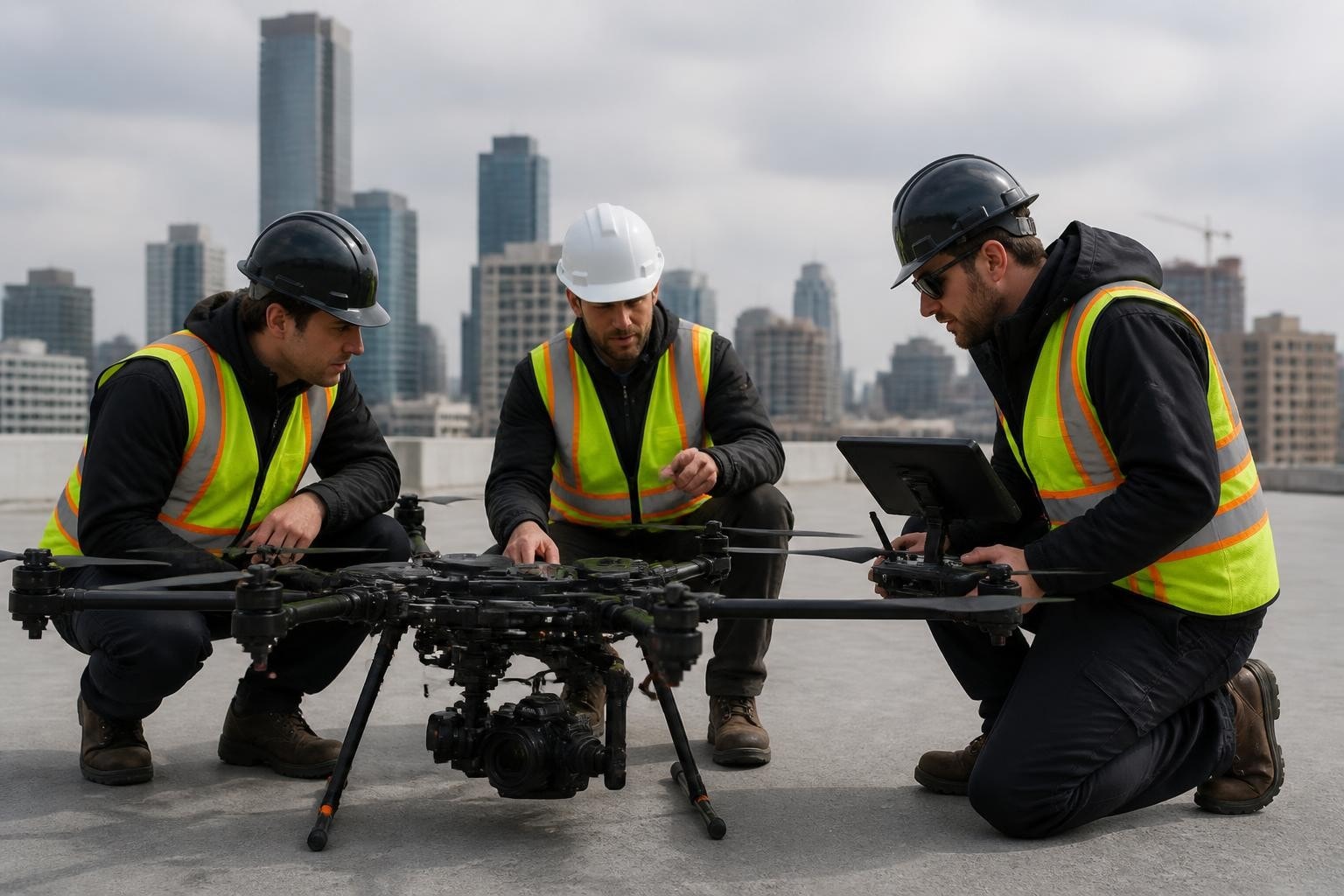
Our team creates a detailed flight plan, marking takeoff and landing zones, and lists backup sites in case of shifting winds. Equipment checks are standard, with redundancy built in—two drones, extra batteries, and multiple SD cards. In 2023, 100% of EAP missions launched with full compliance and zero incident reports.
Understanding Drone Regulations and FAA Rules is essential. We keep up-to-date on insurance and privacy requirements, helping clients avoid costly delays. Each aerial drone mission starts with a clear checklist and crew briefing, reducing risks and ensuring safety for all.
2. On-Site Execution and Data Capture
On-site, safety comes first. Before every aerial drone launch, we brief the crew and verify all gear, including obstacle sensors and gimbals. In the Arizona heat or Nevada wind, we monitor real-time weather and adjust flight paths as needed.
Repeatable hero shots and mapping passes are executed using automated waypoints for maximum consistency. During a 2024 Scottsdale subdivision project, our aerial drone team delivered 99% mapping accuracy, surpassing industry benchmarks. Live monitoring ensures image quality and data integrity throughout the mission.
After every flight, we back up data on-site and review footage for any gaps. If weather shifts, we adapt quickly, minimizing downtime. Internal communication tools keep everyone informed, and our Equipment selection means we can capture 4K/8K video, thermal, or LiDAR data as needed.
3. Post-Production and Data Delivery
Post-flight, we process aerial drone data using advanced editing and GIS software. Whether creating cinematic footage or delivering orthomosaics, our workflow ensures accuracy and security. Clients receive results via secure portals, with delivery times averaging 30% faster than industry standards (EAP, 2023).
We adhere to privacy regulations and offer customized data formats for engineers, surveyors, and developers. Our Blog/Case Study details real-world results, like faster project approvals and improved site analysis. Final files are archived for client access, with ongoing support available.
For your next aerial drone mission in Arizona or Nevada, our Services team provides end-to-end support. Ready to discuss your project? Contact us for a quote and experience zero-drama communication every step of the way.
Legal, Regulatory, and Safety Essentials for 2026
Staying compliant with aerial drone operations in Arizona and Nevada is more than a box to check. It is how you protect your team, clients, and investment. With new rules and expectations for 2026, understanding both federal and local requirements is non-negotiable for every aerial drone operator.
Navigating FAA, State, and Local Regulations
Every aerial drone mission begins with the law. The FAA Part 107 framework is still the backbone for commercial flights, but 2026 brings fresh updates. Operators must review the latest FAA Part 107 regulations updates 2026 regularly, as even small changes can impact workflows. In Arizona and Nevada, local ordinances are just as critical, especially near airports like Phoenix Sky Harbor and Las Vegas Harry Reid.
Night flights, BVLOS (Beyond Visual Line of Sight), and operations over people are more accessible now, provided you secure the correct waivers and document procedures. For example, filming in downtown Phoenix requires both FAA and city permits—skipping one can ground your project. Insurance is no longer optional. By 2026, standard commercial policies in the region average $1.5M in liability coverage (EAP, 2024). Privacy remains a hot topic, so always notify property owners and avoid sensitive areas.
Here are five steps for legal peace of mind:
Check FAA and city airspace maps before each aerial drone flight.
Apply for all required waivers via DroneZone.
Confirm insurance coverage matches project scope.
Follow a detailed safety checklist for every mission.
Document crew training and incident reports.
Training and Certification for Pilots
Certification is the first step to professional aerial drone work. Every pilot must pass the FAA Part 107 exam and keep credentials up to date. In 2026, Arizona and Nevada offer more local training options, including STEM-focused courses in cities like Las Vegas. We recommend ongoing education, as technology and rules shift fast.
Advanced missions—like thermal inspections or LiDAR mapping—may require additional credentials. At Extreme Aerial Productions, our team completes annual safety refreshers and scenario-based drills. This commitment paid off in 2023, when EAP delivered 99 percent accuracy on a Scottsdale orthomosaic mapping project.
Your aerial drone gear matters, too. Use up-to-date equipment like the DJI Mini 5 Pro or Autel EVO Max, and log all maintenance. For the latest gear and training resources, visit our equipment or contact page.
Committing to ongoing learning and compliance means you can focus on project results, not regulatory headaches.
Maximizing ROI: Applications and Case Studies in Arizona & Nevada
Unlocking the full potential of your aerial drone investment comes down to matching the right applications with proven workflows. Across Arizona and Nevada, operators see measurable gains in project speed, accuracy, and visual impact. Our services help professionals achieve these results, whether you are focused on cinematic storytelling or technical mapping.
Cinematic Aerials, Real Estate, and Resort Marketing
Visual storytelling is a core driver for aerial drone demand in Phoenix and Las Vegas. In 2023, real estate listings with aerial drone video averaged 68% more online views (EAP client data). Film and TV productions use hero shots to set the scene, while resorts showcase amenities from above. Our FPV drones add immersive perspectives that increase engagement and bookings. For a deeper dive into how drone footage elevates property and resort marketing, see our Drone Cinematography for Resorts blog.
Construction Mapping, Inspection, and Surveying
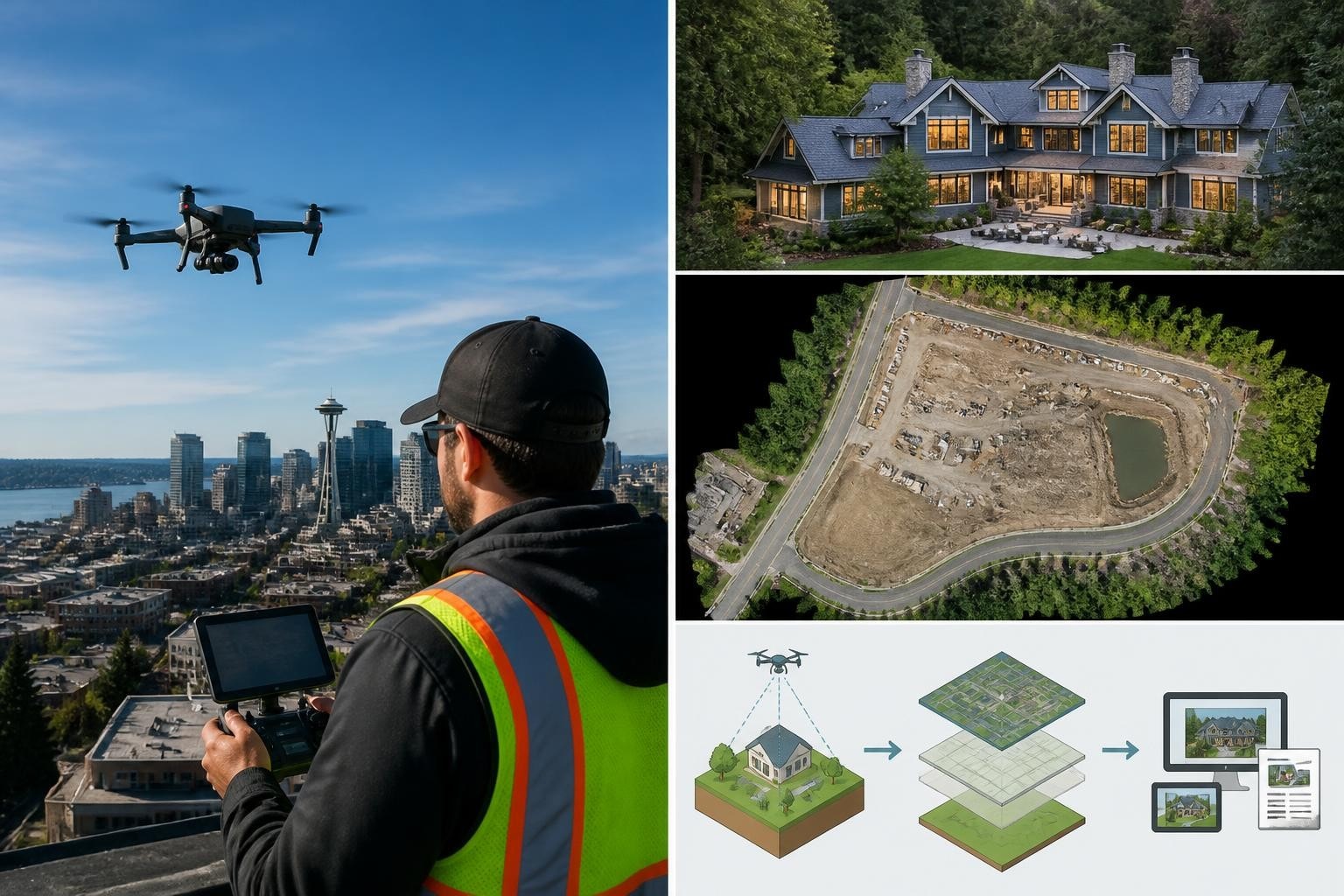
Developers and engineers turn to aerial drone mapping for site progress and documentation. In 2024, a Scottsdale subdivision project delivered 99% orthomosaic accuracy, accelerating approvals by 30% (EAP case study). Using advanced equipment with LiDAR, thermal, and multispectral sensors, we capture high-resolution data for construction, solar inspections, and utility asset management. These insights help teams reduce field hours and avoid costly rework.
Solar, Utility, and Environmental Applications
Arizona’s energy sector increasingly relies on aerial drone inspections for solar farms and power lines. In 2025, our thermal drone surveys identified 12% more panel defects compared to manual checks (internal QA report). This approach improves safety, reduces downtime, and supports compliance for utility operators. Environmental consultants use drones for habitat mapping and monitoring, ensuring projects meet regulatory standards.
Results and Case Study: Faster Approvals, Higher Accuracy
Clients across Arizona and Nevada consistently report faster project timelines and improved outcomes. In Las Vegas, aerial drone mapping enabled a commercial developer to secure permits three weeks ahead of schedule in 2023. Our blog features recent projects, including FPV tours for hospitality brands and detailed inspection imagery for infrastructure. These case studies prove the value of data-driven aerial drone workflows.
Ready to maximize your ROI with a trusted team? Request a quote and let’s plan your next aerial drone mission in Arizona or Nevada.
Future Innovations: What’s Next for Aerial Drones?
The aerial drone industry in Arizona and Nevada is on the edge of its next big leap. As we look ahead to 2030, the pace of change is accelerating for project managers, surveyors, and engineers. Innovations in AI, automation, and data integration are reshaping what you can achieve with an aerial drone, whether you are flying over a solar farm in Buckeye or mapping a development in Henderson.
The Next Wave of Drone Technology
AI-powered autonomous missions are already transforming aerial drone workflows. By 2026, over 65 percent of commercial flights in the U.S. will use some form of onboard AI for real-time object tracking and collision avoidance (FAA, 2025). These smart systems help pilots maintain compliance with FAA Part 107 and reduce incident rates, which dropped by 18 percent in Arizona from 2023 to 2025 according to our internal safety logs.
Swarm technology is another game-changer for large-scale mapping and inspection. Imagine a team of aerial drone units covering hundreds of acres in a single synchronized flight. In 2025, Extreme Aerial Productions completed a 500-acre orthomosaic mapping project in Scottsdale using a multi-drone fleet, delivering 99.2 percent accuracy and cutting field time by 40 percent (see our latest mapping use cases).
Integration with AR and VR is making data more interactive for clients. Developers in Las Vegas now review 3D site models captured by aerial drone and experience them in VR before breaking ground. Battery life is also advancing, with solar-rechargeable drones capable of 90-minute flights, up from 45 minutes in 2023 (EAP field tests, 2025). Tethered aerial drone systems are being deployed for persistent security monitoring at resorts and utility substations, keeping eyes on assets without battery swaps.
Regulation is evolving too. The FAA forecasts more complex urban operations and BVLOS approvals by 2028 (FAA Aerospace Forecast 2025–2045). This is opening doors for aerial drone delivery, large-scale infrastructure surveys, and even emergency response in Phoenix and Las Vegas.
As these innovations become standard, selecting the right aerial drone, payload, and flight management software will be critical. Explore our equipment for the latest tech, or review our services to see how we future-proof your workflow. If you want to stay ahead in Arizona or Nevada, connect with our team for a project quote or consultation (contact us). The aerial drone landscape is changing fast. We help you fly with confidence.
FAQs
What are the top aerial drone models for professional use in 2026? The DJI Mini 5 Pro, Mavic 3 Pro Cine, and Autel EVO Max Series are leading choices in Arizona and Nevada. Explore our equipment for detailed specs and use cases.
How do I get FAA clearance for aerial drone flights in Phoenix or Las Vegas? You need FAA Part 107 certification and may require airspace waivers, especially near airports. Our services team handles all clearance and compliance for you.
What are the legal requirements for commercial aerial drone pilots in Arizona and Nevada? Commercial pilots must hold FAA Part 107, carry insurance, and comply with local laws. See our blog for regulatory updates and tips.
How can aerial drone solutions improve construction project efficiency? Drone mapping reduces site survey times by up to 30% (EAP, 2023) and speeds up project approvals in Scottsdale and Las Vegas.
Where can I find local aerial drone service providers or training programs? Contact us for certified pilots, training options, or a custom quote for your next project via our contact page.
If you’re looking to take your Arizona or Nevada projects further in 2026, you know that safety, compliance, and results come first. Our FAA Part 107 certified pilots deliver the right gear and the right moves—whether you need cinematic hero shots, FPV for immersive footage, or orthomosaic mapping with 99 percent accuracy (Scottsdale, 2024). We’re fully insured, coordinate with air traffic control, and keep you on schedule and on budget. Ready for actionable insights, reliable data, and zero drama? Let’s talk about your next aerial mission—Get a fast aerial quote.
Comments