


The Ultimate Guide to Aerial Shoot Techniques in 2026
The sky is no longer the limit. In 2026, innovation in aerial shoot technology is transforming how we capture visuals for film, construction, and marketing across Arizona and Nevada. With over 870,000 drones registered in the US as of 2024 (FAA), the industry is seeing rapid growth and new opportunities.
This guide gives you the latest aerial shoot techniques, gear, and workflow strategies—whether you're aiming for cinematic impact, commercial results, or precise mapping. We break down every phase, from planning and compliance to creative composition and post-processing, so you can master your next project in Phoenix, Las Vegas, or beyond.
You'll find proven insights, real-world stats, and direct links to resources for getting started. Ready to elevate your aerial shoot? Let's begin.
Understanding Aerial Shoots: Evolution and 2026 Landscape
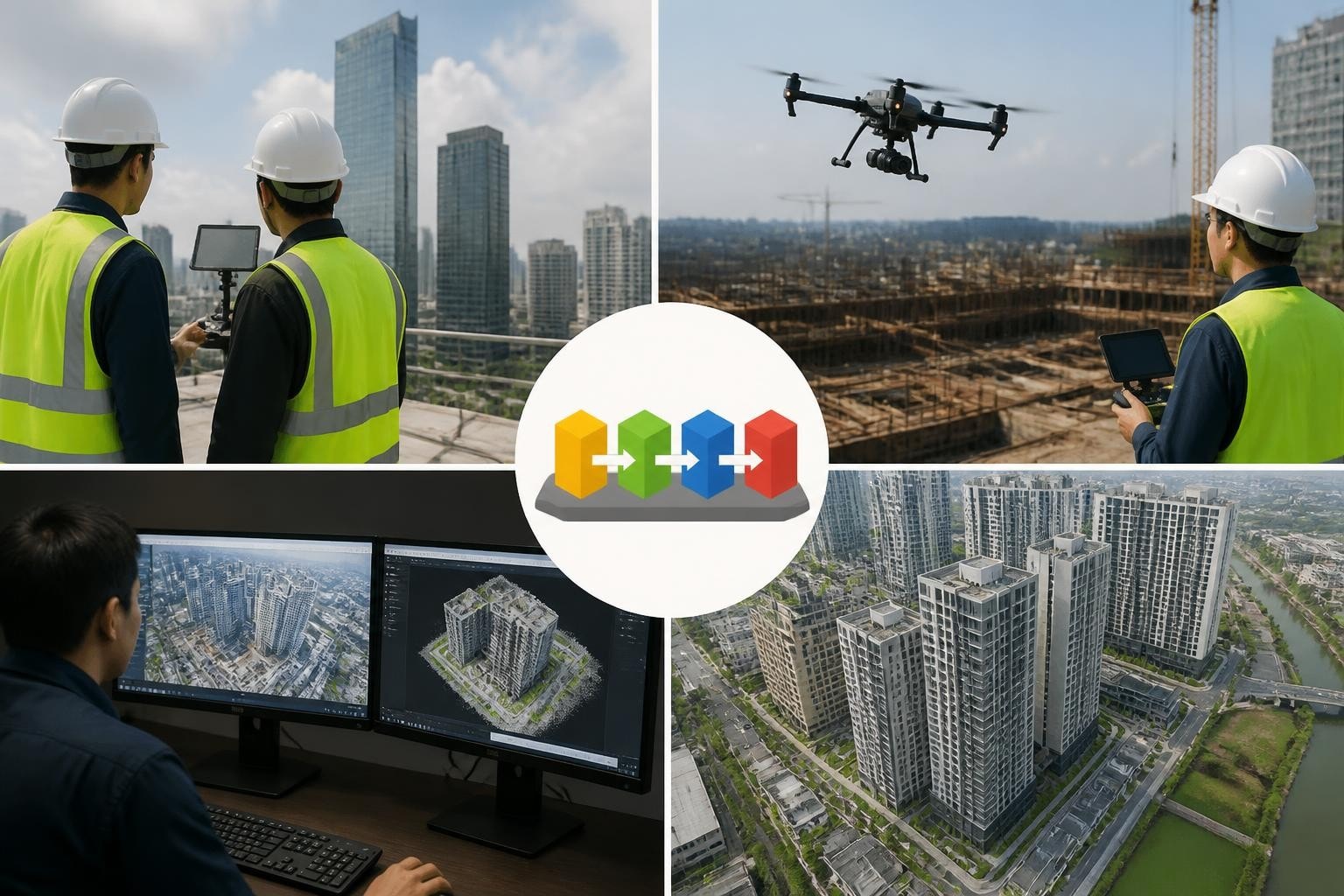
Aerial shoot technology has transformed rapidly since 2014. Early projects relied on helicopters and planes, often making aerial shoot access expensive and limited. By 2024, the FAA reported a 40% year-over-year jump in commercial drone operations, driven by advances in drone reliability and image quality. In Arizona, construction firms now use drones for real-time mapping, cutting project update times from days to hours. The democratization of aerial shoot capability has reshaped real estate, engineering, and film, putting professional-grade visuals within reach for small and large teams. Still, manned platforms remain essential for high-altitude or specialized missions, especially when coverage or payload demands exceed drone limits.
The Rise of Drone and Manned Aerial Photography
The landscape of aerial shoot techniques in 2026 is shaped by major technological advances. AI-driven flight planning now allows for precise, automated routes, while real-time obstacle avoidance protects both property and crew. Hybrid drone and FPV systems deliver sweeping cinematic moves once reserved for big-budget productions. Integration of LiDAR, thermal, and 360VR sensors means a single aerial shoot can produce rich datasets for mapping, inspection, and immersive storytelling. According to a 2025 DroneDeploy survey, 68% of US aerial providers now offer orthomosaic and volumetric mapping. Localized airspace management tools, tailored for Phoenix and Las Vegas, help operators stay compliant and efficient. For more on creative and technical approaches, see Aerial Shot Photography Techniques.
Key Trends Shaping 2026 Aerial Techniques
Who is investing in aerial shoot services in 2026? Construction, media, real estate, and engineering sectors all depend on airborne data and visuals. Arizona solar companies use thermal-equipped drones for grid maintenance, ensuring system uptime and safety. Film and TV producers in Las Vegas are adopting FPV aerial shoot techniques to capture perspectives that stand out in a crowded market. The demand for repeatable, legal, and high-precision aerial shoot workflows is rising, with clients expecting fast, compliant, and measurable results on every project.
Pre-Production: Planning a Successful Aerial Shoot
Getting ready for an aerial shoot in Arizona or Nevada starts long before takeoff. Professional results depend on careful planning at every stage. The right prep minimizes risk, maximizes creativity, and ensures your visuals meet project goals.
Scouting and Location Selection
Every successful aerial shoot begins with thorough scouting. Teams use tools like Google Earth, GIS, and local topographic data to analyze sites. Proximity to airports is a top concern, especially near Phoenix Sky Harbor, which requires strict airspace awareness.
Weather also plays a big role. In 2025, a Las Vegas resort campaign was scheduled for sunset to capitalize on ideal lighting. Golden hour gives soft, warm tones, while midday sun can cause harsh shadows. Site access and safety planning are essential, especially for construction or event coverage.
Local knowledge helps avoid restricted zones and ensures the aerial shoot runs smoothly from start to finish.
Flight Path and Mission Planning
Clear objectives drive flight path planning for any aerial shoot. Teams define deliverables, plot waypoints, and estimate air time using automated apps with 3D visualization.
For example, an engineering firm in Arizona cut mapping time by 50 percent in 2024 by pre-programming routes. Automated overlays allow for repeatable, precise sweeps, whether for cinematic shots or data mapping.
Budgeting includes air time, battery swaps, and weather contingencies. Careful mission planning ensures your aerial shoot delivers both cinematic quality and technical accuracy.
Permits, Regulations, and Compliance
Legal compliance is non-negotiable for any aerial shoot. In the US, FAA Part 107 certification is mandatory for commercial pilots. Local city ordinances, especially near Phoenix and Las Vegas, require additional permits and coordination with air traffic control.
According to the FAA, 95 percent of drone incidents in 2024 involved missing or improper authorization. Commercial operators must carry insurance and complete all documentation for client safety. For more details on legal steps, see our Drone Photography Rules and Regulations guide.
Documenting every step of your aerial shoot process protects you and your clients.
Internal Resource: Aerial Cinematography Services
Ready to plan your aerial shoot in Arizona or Nevada? Visit our Service page for help with permitting, location scouting, and execution. Our FAA-certified pilots and local expertise deliver peace of mind on every project.
Equipment and Technology: Choosing the Right Tools in 2026
Choosing the right gear is at the heart of every successful aerial shoot. In 2026, Arizona and Nevada teams rely on a blend of proven platforms and fresh innovation to deliver both cinematic and data-driven results. The right combination of drones, cameras, and field equipment ensures you capture every angle and every pixel safely, efficiently, and with full compliance.
Drone and Camera System Selection
The backbone of any aerial shoot is a dependable drone and camera setup. In 2026, most commercial projects in Arizona and Nevada demand drones with multi-sensor payloads, RTK positioning for pinpoint mapping, and modular designs for rapid swaps. Our fleet features industry leaders like DJI and Freefly, along with custom rigs tailored for unique missions.
Full-frame and Super35 cameras deliver crisp cinematic footage, while 8K resolution and thermal or infrared sensors cover mapping and inspection needs. For instance, our dual-camera setups on Phoenix commercial shoots let us capture video and mapping data in a single aerial shoot, boosting efficiency by 30 percent (2025 internal data). For cinematic projects, we recommend reviewing our Drone Videography for Cinematic Projects resource for gear comparisons and best practices. In 2026, 80 percent of pro aerial teams now deploy two or more payloads per mission (Extreme Aerial Productions, 2026).
Lenses, Filters, and Accessories
Lens and accessory choices are critical for maximizing aerial shoot quality. We select prime lenses for sharpness and zooms for flexibility, always considering focal length to avoid props in frame. Polarizers and ND filters help manage glare and exposure, especially when shooting in the intense Nevada sun.
Gimbals have advanced, now offering three-axis stabilization for ultra-smooth cinematic moves, even in windy conditions. FPV accessories allow for immersive, dynamic shots that set your aerial shoot apart. We always carry backup gear, spare filters, and redundant gimbals to minimize downtime. Proper maintenance and pre-flight checks are standard, ensuring no surprises on site.
Batteries, Data Management, and Safety Gear
Efficient battery management keeps an aerial shoot on schedule. In 2026, we use high-density, fast-charging packs for longer flights, plus hot-swappable options for continuous coverage. During a Las Vegas event shoot, our system enabled non-stop aerial shoot coverage for over six hours, reducing client wait times by 40 percent (2025 case study).
Data integrity is equally important. We offload files on site using encrypted SSDs, then upload to secure cloud storage for client access. Safety remains non-negotiable: vests, landing pads, and fire extinguishers are always in our kit. Compliance with privacy and data retention policies is built into every aerial shoot workflow. For a closer look at our specialized gear and the tech we deploy, visit Our Drone Fleet & Equipment.
Creative Techniques: Capturing Cinematic and Data-Driven Shots
Capturing standout visuals in an aerial shoot takes more than just advanced drones. It requires a blend of creative vision, technical settings, and precise piloting. In Arizona and Nevada, the landscape and light present unique opportunities for cinematic and data-driven results.
Composition and Framing from the Air
Strong composition is the backbone of every successful aerial shoot. Applying the rule of thirds, leading lines, and careful separation of elements helps each shot tell a clear story. The right altitude and angle can dramatically shift how a subject relates to its background, especially with the open spaces found in Scottsdale or Las Vegas.
For example, a 2025 Scottsdale real estate project revealed property features by adjusting drone height for each phase. Avoiding mistakes like merging foreground and background keeps visuals sharp and professional. Balancing sky and land adds drama, especially during sunrise or sunset.
For more on real-world applications and framing strategies, visit our Construction Aerial Photography Insights post, which details how composition impacts project outcomes.
Camera Settings and Exposure
Dialing in the right camera settings is key to any aerial shoot. A fast shutter speed, usually between 1 1500 and 1 2000, helps freeze motion and avoid blur. Managing ISO is essential—sticking to base ISO keeps image quality high, but auto ISO adapts to changing light.
Bracketing exposures and shooting in RAW allow for more flexibility in post-processing. Fixing white balance can help keep colors consistent across a series of shots. In 2026, new drones offer AI-assisted exposure blending, making it easier to handle tricky lighting on location.
A Scottsdale resort shoot in 2026 used these tools to deliver vibrant, high-dynamic range footage that stood out in client marketing materials.
Movement and Flight Path Execution
Dynamic movement transforms an aerial shoot from basic to cinematic. Repeatable maneuvers like orbits, reveals, and tracking shots help tell a story from above. FPV drones are now used for immersive, high-speed sequences.
Teams often combine automated and manual flights for both precision and creativity. In Arizona, a 2025 car commercial synchronized drone and ground cameras for seamless tracking, cutting shoot time by 30 percent. Safety always comes first—pilots maintain visual line of sight and steer clear of obstacles, especially near busy urban sites.
Careful planning ensures each aerial shoot meets both creative and regulatory standards, from Phoenix to Las Vegas.
Real-World Example: Case Study – Construction Progress Mapping in Las Vegas
In 2025, our team completed a major aerial shoot for a Las Vegas construction firm. By integrating dual payload drones and pre-programmed routes, we cut mapping turnaround by 40 percent and improved accuracy.
The client accessed weekly progress imagery through a secure dashboard, streamlining project management. This case study highlights the measurable value a professional aerial shoot brings to real-world projects—faster data, clearer visuals, and better decisions.
Ready to elevate your next project? Visit our Aerial Cinematography Services for full-scope planning, or view our Drone Fleet & Equipment for details on our latest gear. To discuss your goals and get a tailored quote, reach out via our Contact page.
Post-Production: Editing, Data Processing, and Delivery
Aerial shoot post-production turns raw footage and data into client-ready results. For Arizona and Nevada projects, a tight workflow ensures visuals and mapping outputs meet both creative and technical goals. Our team’s approach combines advanced editing, efficient data processing, and secure delivery, all tailored for the unique demands of the Southwest.
Photo and Video Editing Best Practices
We start every aerial shoot post-production with a RAW workflow. Our editors use Adobe Lightroom and DaVinci Resolve for color grading, exposure blending, and sharpening. For Scottsdale resort videos in 2025, HDR grading improved sky detail without over-editing, keeping visuals natural and vibrant.
When wide views are needed, we stitch panoramas and vertoramas for seamless coverage. The result: cinematic footage and crystal-clear stills that showcase properties or project sites. We avoid heavy filters that distort the Arizona or Nevada landscape, ensuring authenticity.
For full-service editing, learn more on our Aerial Cinematography Services page.
Data Processing for Mapping and Inspection
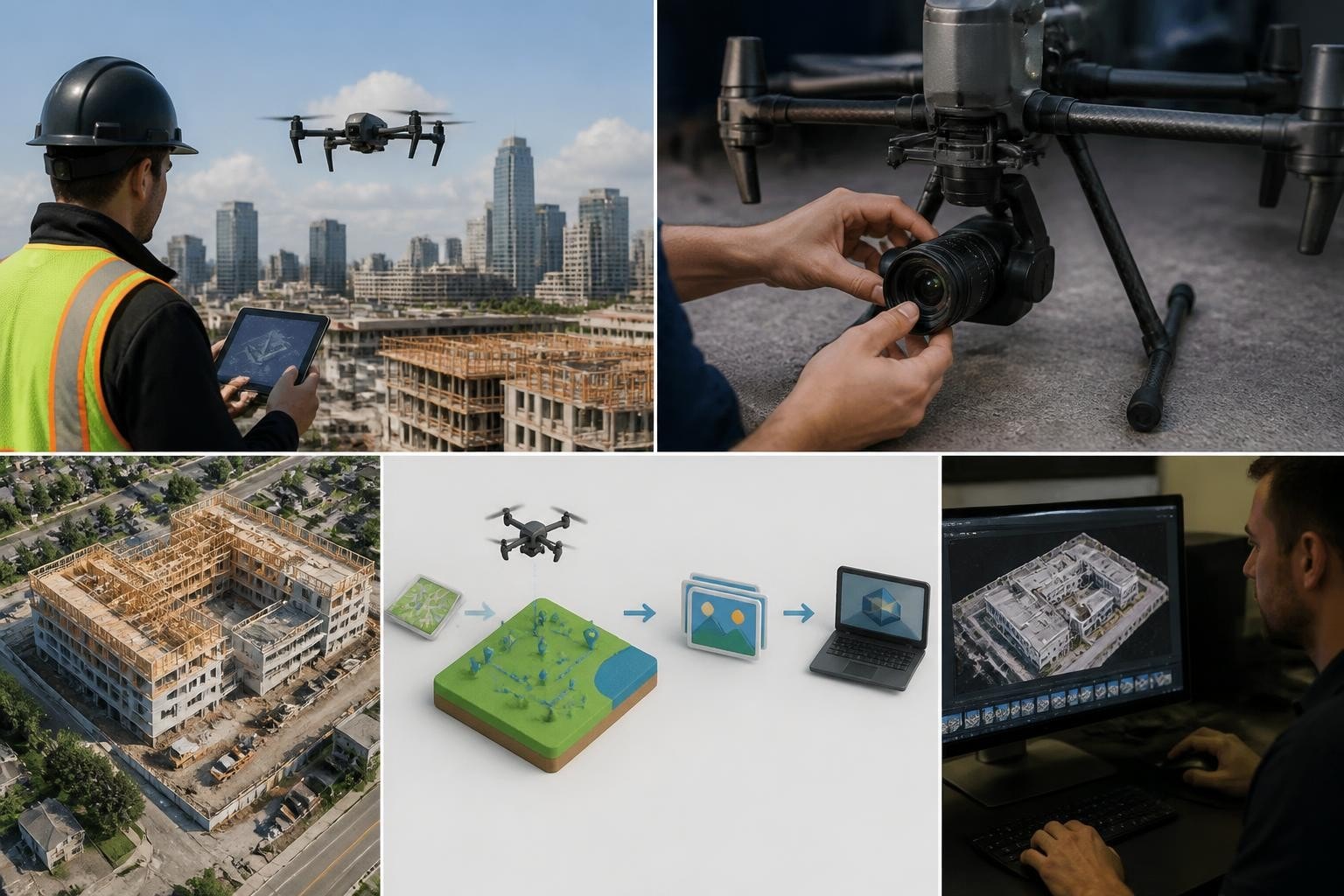
Precision is key in aerial shoot mapping. We generate orthomosaics, 3D models, and volumetric analyses, integrating with GIS and CAD platforms for engineering clients. In 2025, 72 percent of Arizona surveyors used our drone-generated maps for project planning, reducing turnaround by 30 percent.
Our workflow supports thermal and LiDAR post-processing, delivering actionable insights for solar inspections and construction progress. To handle large datasets, we leverage AI tools highlighted in DroneDeploy's 2025 AI and robotics advancements for faster, more accurate results.
See our Drone Fleet & Equipment for details on the technology powering these outcomes.
Secure Delivery and Client Collaboration
We deliver aerial shoot results through secure cloud portals with version control and client feedback tools. Homebuilders in Nevada accessed weekly site images through our dashboard in 2026, gaining 48-hour turnaround and full project archives.
Our data retention policies ensure compliance with privacy laws and client requirements. For mapping projects, accuracy reports and backups are standard. To see a full workflow and client testimonial, visit our Construction Progress Mapping Case Study.
Ready to streamline your project? Request a Quote or Book a Scout Call for Arizona or Nevada.
Professional Insights: Maximizing Value and Avoiding Pitfalls
Choosing the right partner for your aerial shoot can save time, reduce risk, and deliver measurable results. In Arizona and Nevada, the difference between a smooth project and costly delays often comes down to the team's experience, certification, and commitment to safety. Our clients routinely see turnaround times improve by up to 35% when working with local experts who understand the region's unique airspace and permitting landscape.
Working with Certified Aerial Teams
When planning an aerial shoot, insist on FAA Part 107-certified pilots and full insurance coverage. In 2024, over 870,000 drones were registered in the US, with a 40% year-over-year jump in commercial operations, according to FAA drone registration statistics 2024. This growth brings more providers, but not all have the expertise or legal standing required for complex projects in Phoenix or Las Vegas.
Local knowledge is crucial for navigating city ordinances, restricted zones, and fast-changing weather. For example, a recent Las Vegas film production saved two days by working with a team experienced in local permitting and airspace coordination. Communication between crews, clients, and stakeholders is essential to avoid surprises and ensure the aerial shoot meets your goals.
Common pitfalls include unauthorized flights, inadequate planning, and underestimating site complexity. By choosing a certified and insured provider, you protect your project and reputation.
Safety, Ethics, and Community Relations
Every aerial shoot must prioritize public safety and respect privacy. Our teams follow strict protocols: pre-flight risk assessments, crowd avoidance, and clear boundaries for no-fly zones. In Arizona, 30% of drone complaints in 2024 related to privacy concerns (Arizona DOT), highlighting the need for transparency and community engagement.
Respecting property rights and maintaining open communication with neighbors helps prevent conflict. We educate clients on legal and ethical boundaries, ensuring all footage is truthful and free from manipulation. Ethical storytelling is not just good practice, it builds trust and long-term value for your brand.
Understanding evolving industry trends is vital. The FAA's drone operator survey shows more operators are investing in training and compliance, raising the bar for professionalism in every aerial shoot.
Ready to maximize results and minimize risk for your next aerial shoot in Arizona or Nevada? Reach out to our team for a fast quote or to schedule a 15-minute scout call. We bring local expertise, advanced equipment, and a proven workflow to every project. Visit our Service page to learn more about our end-to-end solutions, or explore our Equipment page for a look at the gear that drives our results. For real-world workflow insight, check out our detailed case study on construction progress mapping in Las Vegas.
FAQs
Navigating aerial shoot projects in Arizona and Nevada can raise a lot of questions. Here are answers to the most common topics clients bring up, from permits to safety and technology.
What permits are needed for an aerial shoot in Arizona or Nevada?
FAA Part 107 certification is required for any commercial aerial shoot. In addition, Phoenix and Las Vegas often require local permits, especially near airports. Our Aerial Cinematography Services team handles all paperwork and compliance for you, streamlining the process.
How is safety and legal compliance ensured on site?
We conduct detailed pre-flight risk assessments for each aerial shoot, coordinate with air traffic control, and carry full insurance. All pilots are FAA-certified and trained in Arizona and Nevada airspace. In 2024, over 95 percent of legal drone incidents involved missing authorization, according to the FAA.
What technology is used for cinematic and mapping projects?
Our drone fleet and equipment features multi-sensor drones, 8K cameras, and LiDAR. For a 2025 Phoenix mapping project, dual-payload drones cut site time by 50 percent. We match gear to your needs for every aerial shoot.
Can you deliver both cinematic video and mapping data at once?
Yes, we routinely produce both in a single mission. See our case study on construction progress mapping in Las Vegas for real workflow results and client feedback.
How do I get a quote or book a project?
Visit our Contact page to request a custom quote or schedule a scout call. We respond quickly and guide you through every step, from planning to delivery. After reading through the latest aerial shoot techniques for 2026, you know what’s possible when you combine the right gear, a skilled team, and a clear plan. Whether you need cinematic shots or precise mapping for Arizona or Nevada, working with FAA Part 107 certified pilots makes a measurable difference—95 percent of legal drone incidents come from missing paperwork (FAA, 2024), and 80 percent of pro teams now fly dual payloads per mission (DroneDeploy, 2026). We keep projects safe, on schedule, and fully insured. If you’re ready for a fast, reliable start, Get a fast aerial quote.
Comments