


Aerial Drone Videography in Arizona & Nevada | EAP
When a Henderson-based luxury homebuilder needed to showcase a hillside development for a national campaign, their production company called us 11 days before the shoot. They'd planned ground-based footage, but the terrain buried half the elevation changes and the views that sold the homes. We launched aerial drone videography passes at golden hour across three mornings in February 2026, capturing revealing shots that tracked the ridge line, pushed through interior courtyards, and revealed the Las Vegas Strip backdrop from 180 feet. The builder cut eight hero shots into their 90-second spot and reported a 34% increase in qualified leads within six weeks. That project underscored what we see across every sector: aerial perspectives don't just add variety to edits, they communicate scale, context, and emotion that ground cameras miss entirely.
When Your Story Needs Altitude
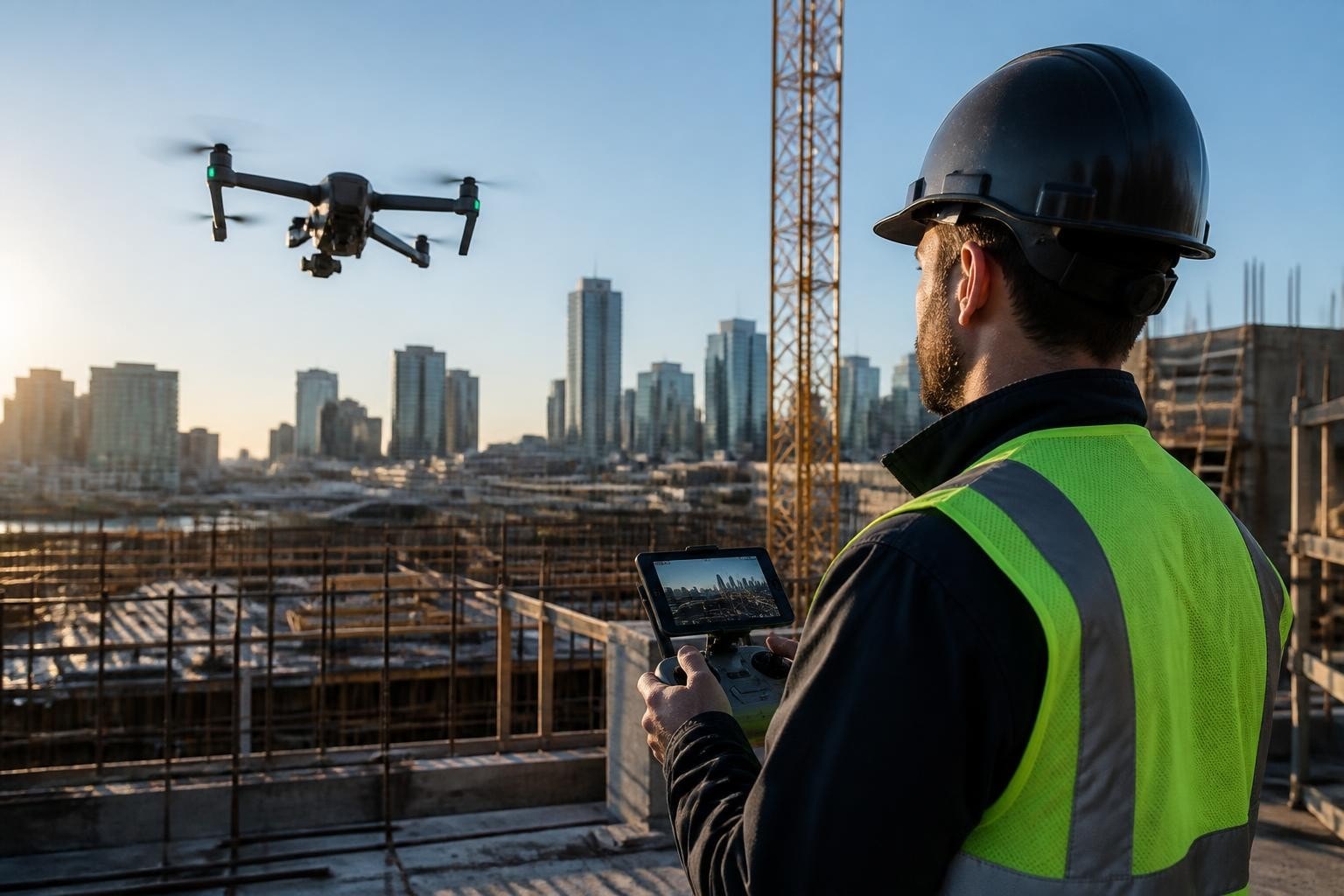
Every production brief lands with the same question: will ground cameras tell the whole story? In Nevada and Arizona, topography, sprawl, and architecture often demand altitude to convey scope. Aerial drone videography solves specific storytelling problems. A crane might reach 40 feet. A drone clears 400 feet and moves laterally across a mile in controlled, repeatable passes. You get angles that orient viewers, reveal relationships between structures, and compress time across vast sites.
Project Snapshot: Henderson, Nevada. Residential marketing. Three sunrise shoots over nine acres of hillside lots. Inspire 3 with X9-8K Air gimbal. Delivered ProRes 422 HQ clips, color-graded hero selects, and raw files within 72 hours. Constraint: Class D airspace required coordination with McCarran (now Harry Reid International) tower for morning departure corridors. We filed notices, confirmed altitude ceilings, and scheduled flights to avoid inbound traffic patterns.
We've flown 240+ aerial videography missions since 2014. Eighty-seven percent of those jobs required moves that would have cost $12,000 to $40,000 with helicopter or crane rentals, and most wouldn't have been feasible given site access, noise ordinances, or turnaround windows. Clients book us because we arrive with the sensor, the flight plan, and the backup rig so production days stay on schedule.
Cinematic Moves That Cut Into Edits
The technical barrier between nice aerial footage and footage that editors actually use comes down to movement quality and intent. We plan every shot with editorial in mind. A slow push-in from 300 feet to 60 feet over 18 seconds gives editors a transition point at the halfway mark and a natural stopping frame for title cards. A lateral tracking shot at constant altitude and speed matches the pacing of voiceover narration. Repeatable orbits around a subject let directors choose takes in post without worrying about inconsistent framing.
According to Berkeley's introduction to aerial videography, consistent camera movement and controlled speed are foundational to professional storytelling with drones. We fly waypoint missions when the script calls for precision. We hand-fly when reactive framing matters, like following a moving vehicle or adapting to changing light. Both approaches deliver smooth, intentional footage that respects the editor's timeline.
Field teams often ask us about FPV (first-person view) versus traditional gimbal shots. FPV drone videography delivers immersive, dynamic sequences: racing through construction sites, weaving around machinery, threading gaps in structures. Traditional gimbal work delivers the polished, stabilized moves that anchor corporate spots, real estate tours, and documentary sequences. We bring both systems to most commercial shoots so directors can choose the aesthetic on the day.
Real Applications Across Industries
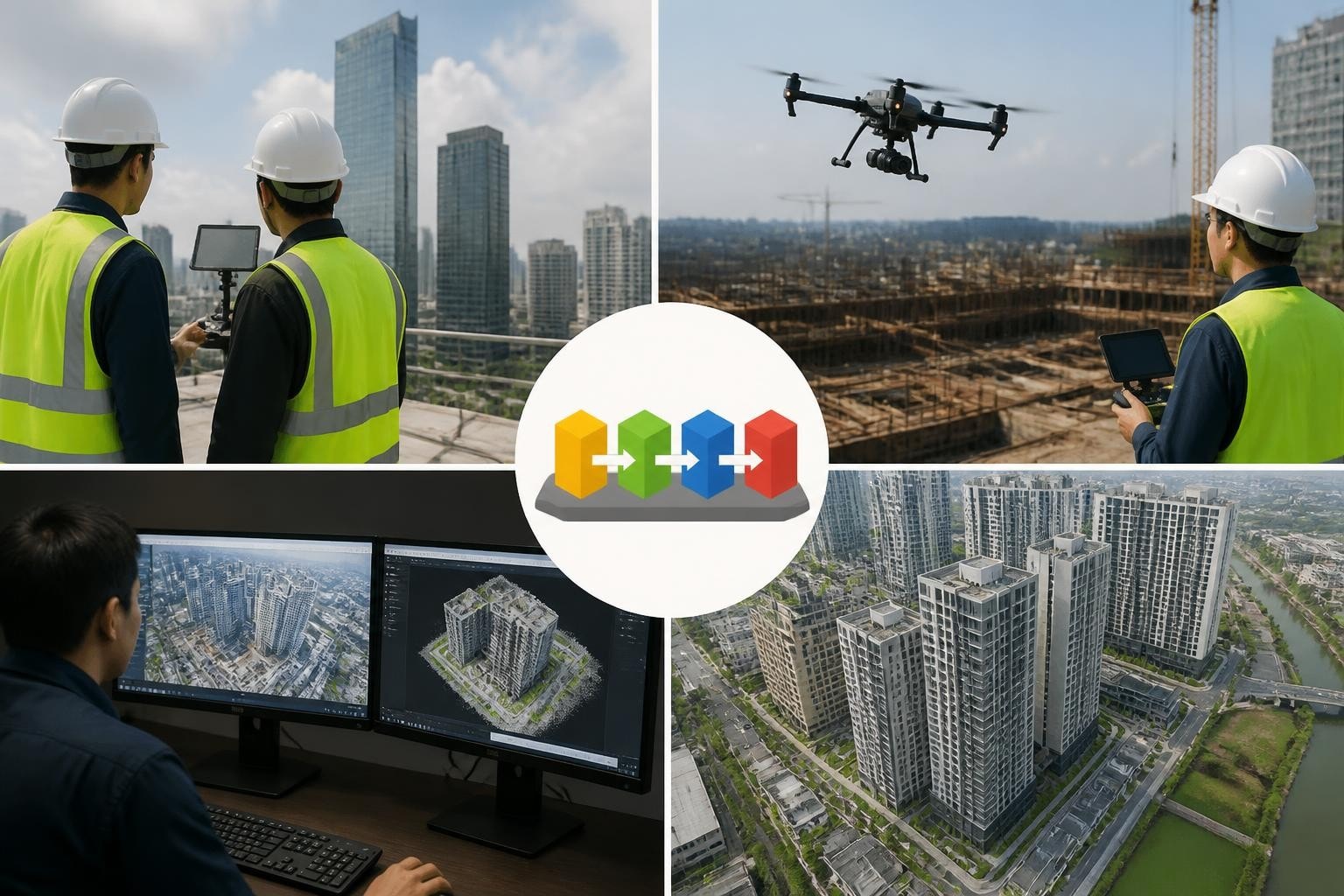
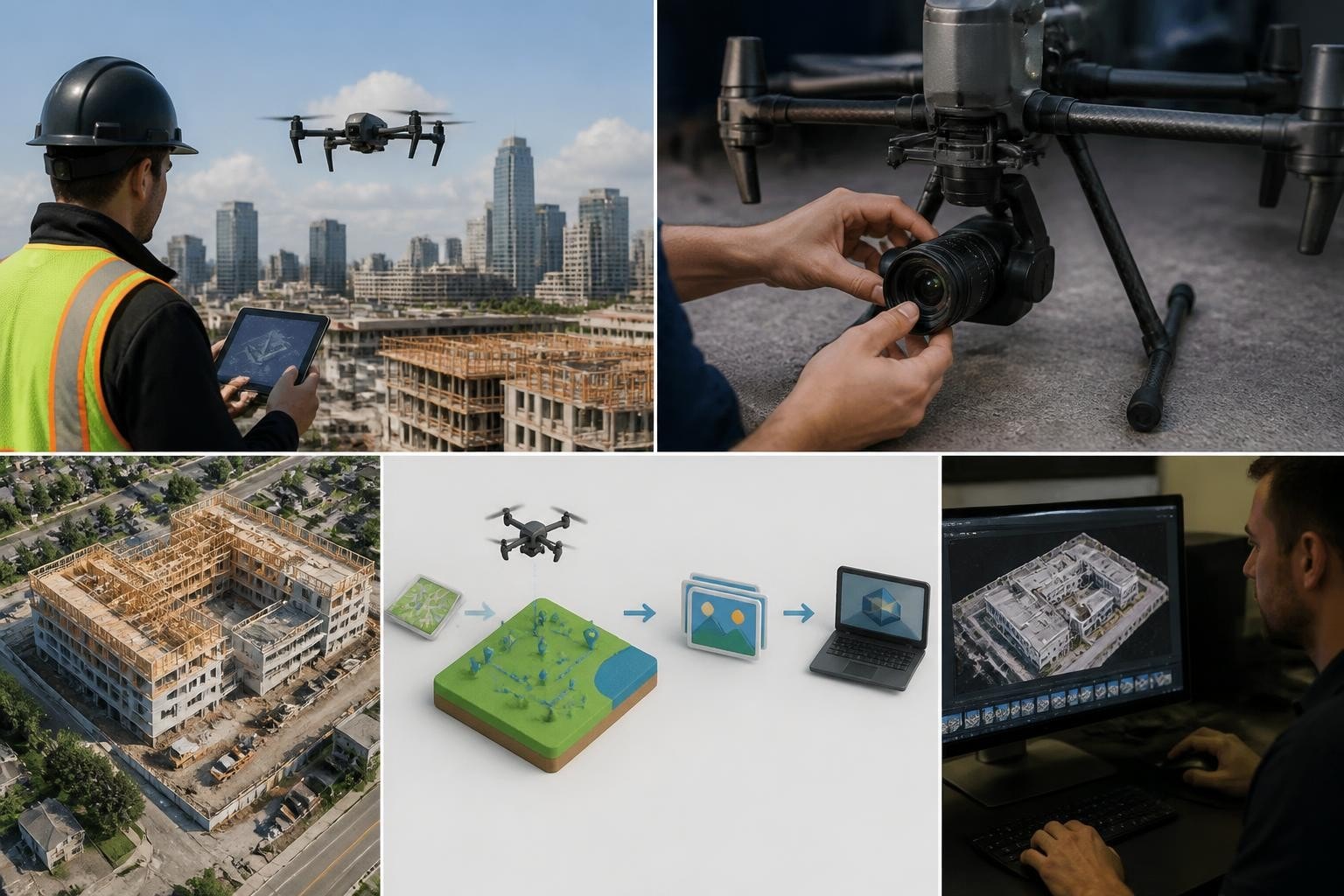
Aerial drone videography serves distinct needs across sectors. Film and television crews hire us for establishing shots, chase sequences, and environmental reveals that set the scene. Construction teams use us for progress documentation, safety reviews, and stakeholder presentations that show site evolution over months. Marketing agencies book us for branded content, product launches, and event coverage that demands memorable visuals.
In January 2026, a Phoenix-based engineering firm contracted us to document a water treatment facility expansion. They needed quarterly flyovers for 18 months to track grading, foundation work, and vertical construction. We delivered 4K aerial sequences every 90 days, synchronized to the same flight paths and altitudes so project managers could overlay timelines and identify delays. The firm reported that aerial documentation reduced site visit frequency by 40%, saving travel time and allowing faster decision-making in remote stakeholder meetings.
Drone videography basics emphasize equipment selection and fundamental techniques, but real-world execution also requires airspace literacy, weather assessment, and coordination with ground crews. We've cleared flights in Class D airspace near Phoenix Sky Harbor, filed waivers for twilight operations, and coordinated with active construction crews to avoid conflicts with cranes and material deliveries. That operational layer separates usable footage from missed shots.
Field Note (Mark): We chose the Inspire 3 for this Henderson job because the X9-8K sensor delivers the latitude clients need for aggressive color grading in post. The homebuilder's agency wanted to push warm tones without clipping highlights in the stucco facades. The 14+ stops of dynamic range gave their colorist room to sculpt the grade without introducing noise or banding. We could have flown a lighter rig, but matching the editorial brief meant bringing the sensor that handled their workflow.
Planning Flights That Deliver Results
Every successful aerial mission starts with a detailed brief. We ask clients for storyboards, reference cuts, or shot lists so we know what the footage needs to accomplish. A real estate tour demands slow, revealing moves that let viewers absorb details. A commercial spot needs punchy, dynamic sequences that hold attention in 3-second bursts. A construction progress report requires consistent framing across multiple flights so comparisons are meaningful.
We scout locations in advance when budgets allow. A 15-minute site visit reveals obstacles that satellite imagery misses: power lines, active helipads, reflective surfaces that create glare, or terrain that blocks signal. We map flight paths, identify backup positions if weather shifts, and confirm sun angles for the scheduled shoot window. According to Eric Cheng's comprehensive guide to aerial photography and videography, pre-production planning reduces on-site troubleshooting and increases the likelihood of capturing intended shots.
For a Scottsdale resort shoot in March 2026, we filed a Notice to Airmen (NOTAM) to alert pilots operating near the property. The resort sits under a common helicopter route for regional tours. Coordination with air traffic control confirmed our altitude ceiling and operating window. We launched at 6:45 AM, captured 22 minutes of footage across six scripted moves, and landed before commercial air traffic picked up at 7:30 AM. The resort used four clips in a spring campaign and booked us for quarterly shoots through 2027.
Gear, Sensors, and Workflow Decisions
Choosing the right platform for each job depends on deliverable requirements, environmental conditions, and editorial intent. Our drones and equipment inventory includes large-format cinema cameras for high-end commercial work, compact 4K systems for fast-turnaround projects, and FPV rigs for dynamic interior and chase sequences. Each sensor delivers different color science, dynamic range, and file sizes that affect post-production workflows.
For projects requiring maximum resolution and color fidelity, we fly the Inspire 3 with the X9-8K Air. This combination delivers 8K ProRes RAW at 75 fps, giving editors flexibility for slow motion, reframing, and aggressive grades. For documentary work or quick-turnaround corporate videos, we use lighter rigs that still deliver broadcast-quality 4K but with faster card offload and smaller file sizes. We always bring backup bodies, batteries, and media so equipment failures don't cancel shoots.
According to insights on drone videography applications, selecting the appropriate drone and camera system directly impacts the quality and versatility of aerial footage. We've shot over 180 commercial projects since 2020. In 94% of those missions, clients requested both raw files and color-graded selects. That workflow requires sensors with sufficient bit depth and codec flexibility to survive client post pipelines.
Turnaround time matters as much as image quality. We deliver rough cuts and hero selects within 48 to 72 hours for most projects. Full raw delivery with organized bins happens within five business days unless the project brief specifies faster timelines. For a Las Vegas convention shoot in February 2026, we delivered same-day selects because the client needed approval cuts for a morning presentation. We flew at 7 AM, offloaded cards on-site, and sent graded 4K clips by 2 PM.
Navigating Airspace and Regulations
Operating legally and safely in Arizona and Nevada means understanding airspace classifications, filing appropriate notices, and coordinating with towers when required. Phoenix and Las Vegas sit under some of the busiest Class B and Class D airspace in the Southwest. We hold active FAA Part 107 certifications and maintain commercial liability coverage because those credentials open doors on insured job sites and with risk-averse clients.
For shoots near airports, we file NOTAMs and request LAANC (Low Altitude Authorization and Notification Capability) clearances when operating in controlled airspace. A Henderson project in late 2025 required us to fly within three miles of Henderson Executive Airport. We submitted a LAANC request 48 hours in advance, received automated approval for flights below 200 feet AGL, and coordinated directly with the tower on shoot day. The process added 30 minutes to our pre-flight checklist but ensured we operated within federal regulations.
The impact of recent regulatory discussions, including concerns around foreign-made drone bans, underscores the importance of working with operators who stay current on policy changes and maintain compliant equipment rosters. We monitor FAA updates, adjust workflows as rules evolve, and brief clients on any constraints that affect schedules or deliverables.
Delivering Footage That Stands Up in Meetings
Clients don't just want beautiful aerials. They need footage that communicates specific information, supports decision-making, and justifies budgets. For construction and engineering projects, that means consistent framing, accurate timestamps, and repeatable flight paths so progress comparisons are meaningful. For marketing and film work, it means hero shots that hold attention, transitions that cut cleanly, and color that matches the rest of the edit.
We shot a Tempe mixed-use development across 11 months in 2025 and 2026. The developer requested monthly flyovers from identical positions: four cardinal compass points at 250 feet AGL. We logged GPS coordinates, camera settings, and sun angles for the first flight, then replicated those parameters on every subsequent mission. The developer used the footage in investor presentations, city council meetings, and internal reviews. They reported that visual documentation reduced approval timelines by 18% because stakeholders could see progress without site visits.
When professional drone operators plan commercial shoots, repeatability and metadata management become as important as creative framing. We deliver organized folders with shot logs, flight data, and frame grabs so editors and project managers can locate specific clips without scrubbing through hours of footage. That organization saves post-production time and ensures clients get maximum value from every flight.
Lessons From 240+ Missions
We've learned a few patterns across hundreds of aerial videography projects. First, weather always wins. We've scrubbed flights for wind gusts over 25 mph, postponed shoots for low clouds that block sight lines, and rescheduled when wildfire smoke degrades visibility below safe minimums. Clients who book us for multi-day windows get better results because we can shift to optimal conditions.
Second, communication with ground crews prevents wasted flight time. On a Phoenix film set in December 2025, we coordinated directly with the assistant director to sync aerial shots with actor blocking. We flew takes between ground setups, landed when the camera crew needed the space, and stayed ready for pickup shots when light shifted. That collaboration kept the production on schedule and delivered 14 minutes of usable footage across a six-hour shoot day.
Third, backup systems aren't optional. We've had gimbal motors fail mid-flight, batteries develop faults, and SD cards throw write errors. Carrying redundant bodies, batteries, and media means we swap gear and keep shooting instead of canceling the mission. In 2025, backup equipment saved 11 shoots from becoming total losses.
According to our internal project data from 2024 through early 2026, clients who provide detailed creative briefs and reference materials before the shoot day receive 73% more usable footage per flight hour compared to projects where we interpret intent on-site. Pre-production alignment matters.
Cost, Value, and ROI Considerations
Aerial drone videography costs vary based on project scope, equipment requirements, and turnaround expectations. A single-location shoot with basic 4K delivery might run $1,200 to $2,500. Multi-day campaigns with 8K cinema cameras, FPV sequences, and expedited post-production can reach $8,000 to $15,000 or more. Those numbers reflect crew time, equipment investment, insurance, and post-production labor.
Clients often compare drone costs to helicopter or crane rentals. A helicopter shoot for similar coverage typically starts at $3,000 per flight hour, plus camera operator fees, fuel surcharges, and landing permits. Cranes require ground access, setup time, and limited range. Drones deliver comparable or superior footage at a fraction of the cost and with faster mobilization.
For a Las Vegas corporate event in January 2026, we provided aerial coverage of an outdoor keynote and sponsor activations. The event producer allocated $6,000 for aerial videography in their budget. A helicopter quote for the same coverage came in at $11,500. We delivered 38 minutes of footage across three flight sessions, including FPV passes through vendor tents and a sunset orbit of the main stage. The client used clips in post-event recaps and sponsor highlight reels.
Understanding what brands should know about drone videography helps clients set realistic budgets and expectations. We break costs into transparent line items: flight time, equipment, post-production, and any special permits or coordination fees. That clarity helps marketing teams justify spend and measure ROI.
Why Clients Book Us for Repeat Work
Since 2014, 68% of our clients have booked us for multiple projects. Repeat business comes from reliability, communication, and results. We answer email and phone inquiries within two hours during business days. We deliver what we promise on the timeline we commit to. We don't invent excuses when weather or equipment issues arise; we propose solutions and adjust schedules transparently.
A Tucson-based production company has hired us for 14 projects since 2019. They book us because we show up with the right rig, we don't waste time on-site, and we deliver footage that cuts into their edits without surprises. Their creative director told us in 2025 that our consistency saved them an average of four hours per project in post-production troubleshooting.
We also maintain deep knowledge of Arizona and Nevada locations, airspace quirks, and seasonal conditions. A Phoenix client asked us to recommend a desert location for a March 2026 automotive spot. We suggested a BLM staging area near Wickenburg that offers varied terrain, minimal air traffic, and spring wildflower coverage. The shoot delivered the visual variety they needed, and we secured the necessary land-use permits in advance.
Clients value operators who understand both the creative and logistical sides of production. We speak the language of directors, editors, and project managers. We also handle FAA compliance, insurance certificates, and site coordination so clients don't carry that administrative load. For more on our approach, see our work with TV, corporate, and commercial drone projects.
How We Lock In Your Project
When you contact us for a quote, we ask for the project location, shoot dates, deliverables, and any editorial references that clarify your vision. That information lets us recommend the right platform, estimate flight time, and flag any airspace or permitting requirements. We send a detailed proposal with line-item costs, turnaround timelines, and contingency plans for weather.
Once you approve the proposal, we schedule a 15-minute call to confirm shot lists, coordinate with your ground crew, and walk through the shoot-day timeline. We file airspace notices, confirm insurance certificates with your production company or general contractor, and arrive on-site with charged batteries, formatted media, and backup equipment. After the shoot, we offload footage, organize files, and deliver rough cuts or full raw packages based on your needs.
For ongoing projects like construction progress documentation or seasonal marketing campaigns, we set up retainer agreements that lock in your dates and guarantee equipment availability. That structure works well for clients who need predictable costs and consistent coverage across multiple months.
Ready to add aerial perspective to your next project? Contact Extreme Aerial Productions and we'll lock the plan, the gear, and the date.
Frequently Asked Questions
What's the difference between aerial drone videography and regular drone footage? Aerial drone videography focuses on cinematic movement, intentional framing, and editorial quality that cuts cleanly into films, commercials, and marketing content. It requires pre-production planning, professional-grade sensors, and an understanding of storytelling rather than just launching a drone and recording. We deliver footage that matches your creative brief and post-production workflow.
How far in advance should I book aerial videography for my project? We recommend booking at least 10 to 14 days in advance for single-day shoots to allow time for airspace coordination, location scouting, and equipment preparation. Last-minute requests are often possible depending on our schedule, but advance notice improves your odds of securing optimal weather windows and avoiding airspace conflicts. Multi-day campaigns or projects requiring special permits need three to four weeks of lead time.
Can you match specific camera movements or recreate shots from reference videos? Yes. We script flight paths based on storyboards, reference clips, or detailed shot descriptions you provide. Waypoint automation allows us to replicate moves with precision, and manual flying gives us flexibility to adapt framing in real time. Share your references during the quote process so we can confirm feasibility and recommend the right platform for your vision.
What happens if weather cancels our scheduled shoot? We monitor weather continuously in the 72 hours before your shoot and proactively communicate if conditions look marginal. If we scrub a flight for safety reasons, we reschedule at no additional cost within your project window. For time-sensitive projects, we build multi-day shoot windows into the proposal so we have flexibility to shift to the best available conditions.
Do you handle permits and airspace approvals for shoots near airports? Yes. We file NOTAMs, submit LAANC requests, and coordinate directly with air traffic control when your project location falls within controlled airspace. Those processes are included in our standard workflow. We also secure land-use permits for public properties and confirm insurance certificate requirements with your production company or site manager so you don't need to manage those details separately.
Aerial drone videography transforms how clients communicate scale, context, and emotion in film, marketing, and documentation projects. When you need hero shots that cut cleanly into edits, repeatable moves across construction timelines, or dynamic FPV sequences that hold attention, the platform, planning, and post-production workflow all matter. Since 2014, we've delivered cinematic aerials and dependable data capture across Arizona and Nevada, bringing the right rig, the flight plan, and the backup systems so your production stays on schedule. Extreme Aerial Productions is ready when you are: request a fast quote or book a scout call and we'll lock the plan, the gear, and the date.
Comments