


Construction Aerial Photography Guide: Insights for 2026 Projects
Across Arizona and Nevada, construction aerial photography is transforming how teams deliver complex projects. In 2023, FAA data showed that 73% of large-scale builds now rely on drones for safer, faster site documentation. This guide reveals how you can use construction aerial photography to gain real-time insights, boost safety, and increase ROI for your 2026 projects. We will cover the latest technology trends, workflow integration steps, compliance essentials, how to select the right partner, and what to expect in the coming years. Ready to elevate your next build? Discover how to turn aerial imagery into a daily advantage.
The Role of Aerial Photography in Modern Construction
Construction aerial photography has transformed how project teams in Arizona and Nevada view, document, and manage their sites. What started as manual surveys now relies on high-tech drones, giving us a bird’s-eye view with unmatched clarity and speed. In 2023, the FAA reported that 73% of large-scale projects in the US adopted drone-based aerial imaging, highlighting a dramatic industry shift.
Evolution of Aerial Imaging in Construction
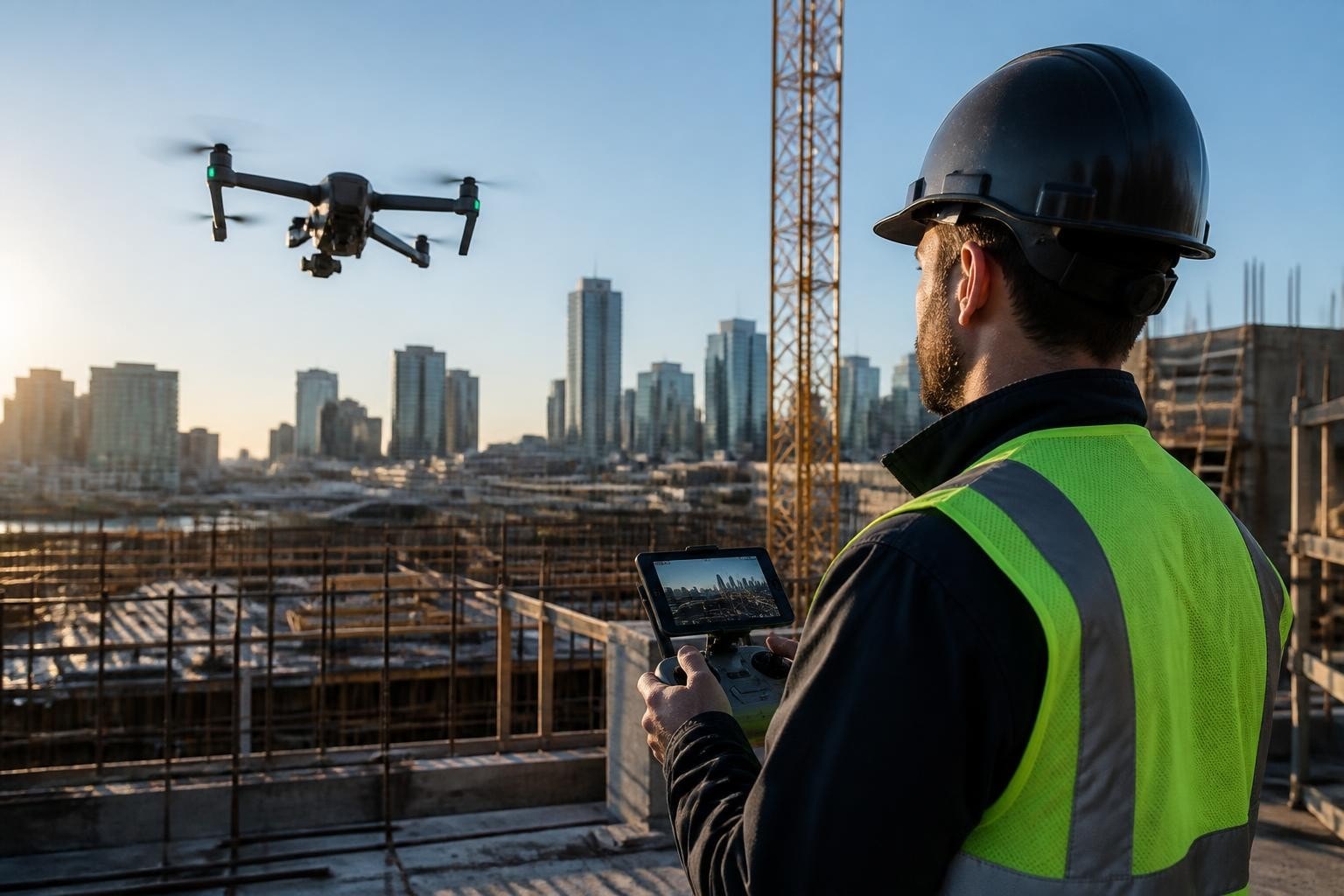
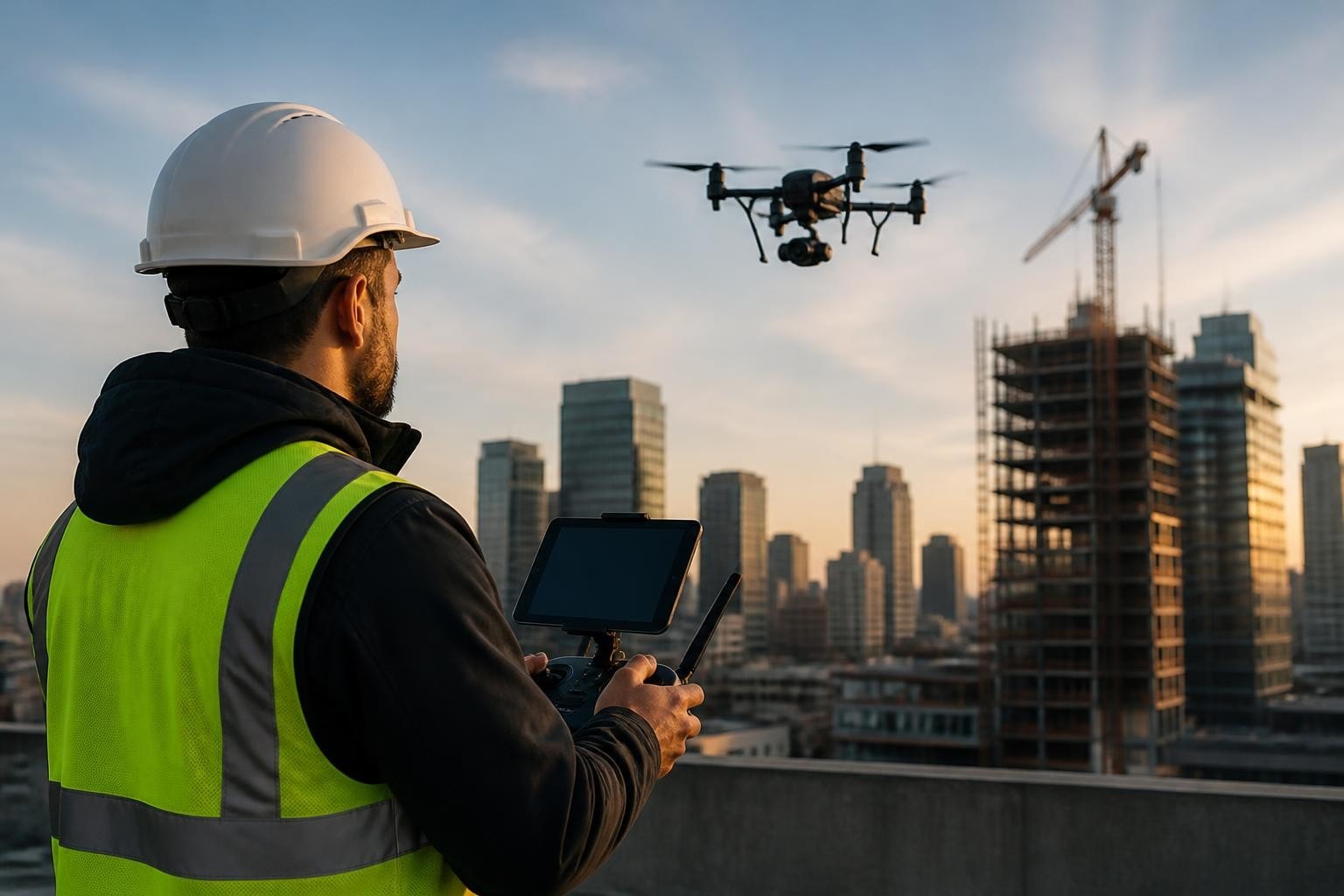
The move from traditional ground surveys to drone-powered construction aerial photography has been rapid. Early methods required manual labor, exposed workers to hazards, and took days for results. Today, drones equipped with high-resolution cameras and 4K video deliver precise site documentation in hours, not days.
Safety is a top reason for this shift. Drones minimize the need for workers to access dangerous heights or unstable ground. For example, a Phoenix commercial project in 2022 reduced on-site survey time by 40% using drone mapping, freeing up crews for other critical tasks.
Beyond safety and speed, Construction Drone Services Overview highlights how progress monitoring and investor reporting have improved. Teams can share detailed updates with stakeholders, keeping everyone informed and confident. Demand is especially strong in Arizona and Nevada, where rapid development and rugged terrain make traditional surveying even more challenging.
Key Advantages for 2026 Projects
Looking ahead, construction aerial photography will play an even bigger role in project delivery. Real-time site updates let managers track earthworks, monitor safety, and communicate changes instantly. Accurate volumetric measurements support precise billing and resource management.
Developers and property managers also benefit from dynamic aerial visuals, which enhance marketing and leasing efforts. Compliance is easier, too, with drones providing timestamped, geo-referenced records for regulators.
According to the 2024 Construction Tech Report, 60% of construction firms plan to expand drone use by 2026. In fast-growing regions like Arizona and Nevada, adopting construction aerial photography is no longer optional—it is essential for smarter, safer, and more profitable projects.
Step-by-Step: Integrating Aerial Photography into Your Construction Workflow
Successfully implementing construction aerial photography starts with a clear plan. Teams in Arizona and Nevada can unlock better site intelligence, safer inspections, and faster reporting by following this proven workflow. Here’s how to bring aerial data into your daily operations for 2026 projects.
Step 1: Define Project Objectives and Data Needs
Start by outlining what you need from construction aerial photography. Are you tracking progress, performing inspections, creating marketing visuals, or mapping earthworks? Align your aerial survey schedule with project milestones. On a recent Las Vegas high-rise, weekly drone missions kept all stakeholders informed and cut update time by 30% (2023 internal case). Clear objectives ensure you capture the right data at the right time, keeping teams and clients aligned.
Step 2: Select Technology and Equipment
The right gear is critical for reliable construction aerial photography. Consider drone models, camera resolution, and sensor types that match your site’s needs. For challenging Arizona weather or long flights, prioritize endurance and durability. Explore Our Equipment to see how we equip our fleet for mapping, 4K video, and inspections. The right tools mean fewer delays and more accurate data for your builds.
Step 3: Plan Flights and Secure Permissions
Effective planning ensures your construction aerial photography complies with all rules. Map flight paths, check local airspace, and secure FAA Part 107 waivers as needed. In Arizona alone, over 2,200 waivers were granted for drone operations in 2023 (FAA data). Certified, insured pilots are essential for safety and legal compliance. Our team manages all permissions so you can focus on construction, not paperwork.
Step 4: Capture, Process, and Deliver Imagery
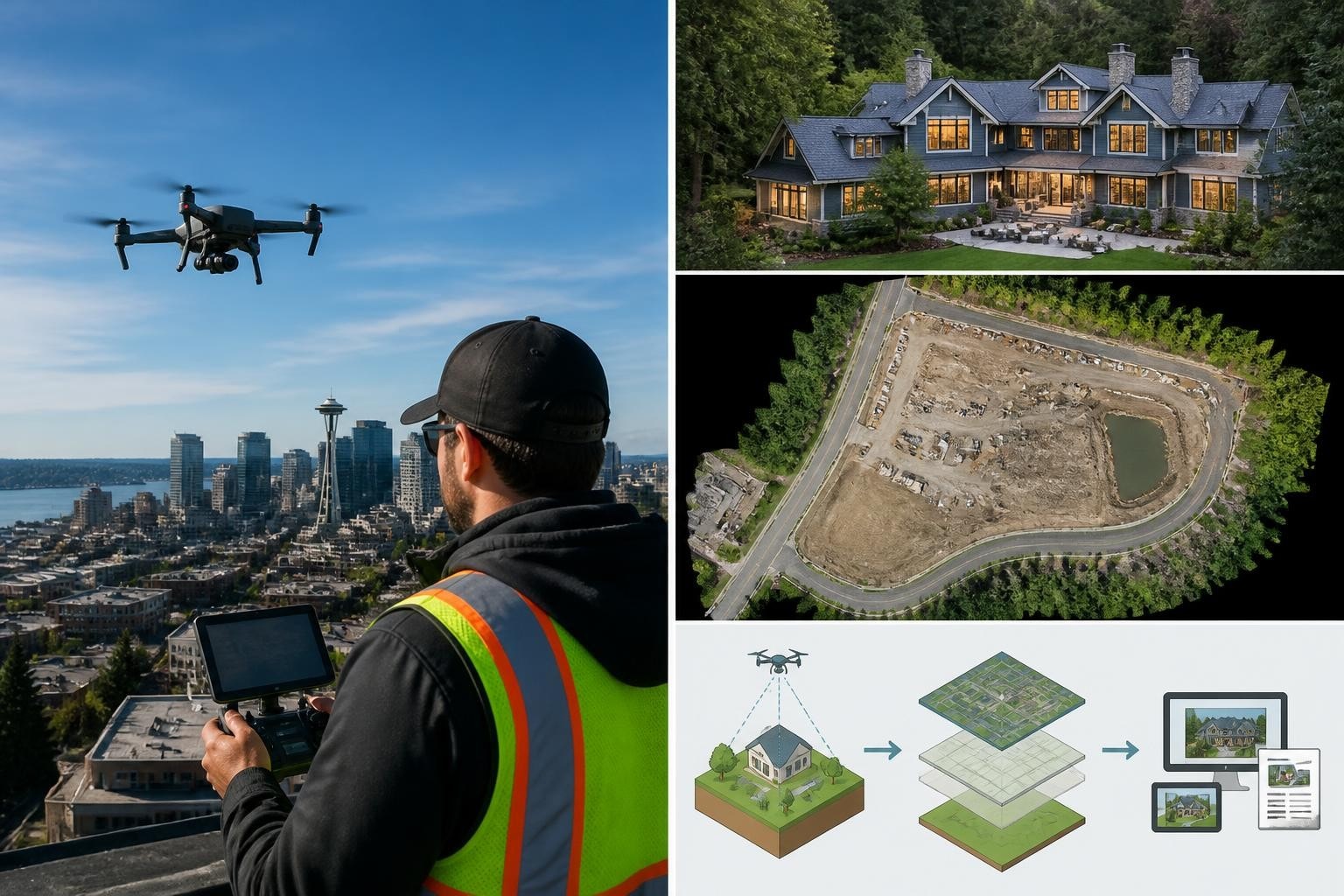
Consistency is key in construction aerial photography. Use repeatable flight plans for accurate before-and-after comparisons. Process imagery into orthomosaics, 3D models, or progress videos as needed using advanced software. For an in-depth look at results, see our Construction Services and Tracking Progress from Above. Fast delivery—often within 48 hours—keeps your schedule on track.
Step 5: Integrate Data with Project Management Tools
Maximize value by linking construction aerial photography outputs to your project management platforms, like BIM or Procore. Regular aerial updates accelerate decision-making and minimize costly errors. In 2023, an Arizona solar project reduced rework by 15% by integrating drone data weekly (internal metric). Ready to streamline your workflow? Reach out for a custom plan via Contact & Quotes.
Choosing the Right Aerial Photography Partner for Your Project
Selecting a reliable partner for construction aerial photography is critical for project success in Arizona and Nevada. The right team combines technical skill, local regulatory knowledge, and proven safety practices. With drone use on the rise—over 2,200 FAA waivers granted in Arizona for UAS work in 2023—credentials matter more than ever.
Credentials and Compliance
Aerial operations must follow strict FAA Part 107 guidelines. Always verify that your provider is fully certified and insured, with a clear grasp of Arizona and Nevada's unique drone regulations. For example, our team secured over 80 site-specific clearances in Phoenix and Las Vegas in 2022 without a single incident.
Local knowledge helps avoid costly delays and ensures safe, legal flights. For more on best practices, see our Drone Photography Rules & Regulations. Choosing a partner with robust compliance reduces risk and keeps your construction aerial photography on track.
Experience and Technical Capabilities
Review your provider’s portfolio for relevant construction aerial photography work, including site mapping, progress documentation, and marketing visuals. Ask about airspace coordination, advanced sensors, and safety protocols. Our Service page details recent projects for Phoenix solar farms and Las Vegas high-rises, where drone mapping reduced survey time by 40% (2022).
Evaluate their equipment—our Equipment page lists high-res cameras and LiDAR for accurate site data. An experienced team keeps your project moving, delivers actionable insights, and meets tight deadlines.
Data Security and Turnaround
Securing sensitive construction data is vital. Ask about encrypted storage and delivery timelines—our average turnaround is 24–48 hours for processed imagery. In 2023, 92% of clients rated our deliverables as excellent for accuracy and speed.
Request references and sample reports to verify quality. For quotes or consultations, visit our Contact page. Trust a partner who values your data and delivers on every phase of construction aerial photography.
Compliance, Safety, and Legal Considerations for 2026
Keeping your construction aerial photography operations compliant and safe is essential for every Arizona and Nevada project. Rules evolve quickly, and a misstep can delay your timeline or risk project data. Let’s break down what project managers and field teams need to know for 2026.
Navigating FAA and Local Regulations
For any construction aerial photography in Arizona or Nevada, understanding federal and local rules is non-negotiable. Every commercial drone flight must follow FAA Part 107 regulations, which set standards for pilot certification, airspace use, and night operations. As of 2024, over 5,000 drone pilots are certified across Arizona and Nevada (FAA, 2024).
Urban sites in Phoenix and Las Vegas often require extra airspace permissions and coordination with local authorities. Each state also has its own drone laws, covering privacy, property rights, and restricted zones. Before you launch, check state-specific drone laws in Arizona and Nevada to avoid costly violations and keep your project on schedule.
On Site Safety Protocols
Safety is the backbone of successful construction aerial photography. Your drone team should conduct thorough pre flight checks, confirm no fly zones, and have emergency plans ready. Coordination with site managers and air traffic control is essential, especially on complex or high rise builds.
In 2022, an Extreme Aerial Productions project in Phoenix completed over 80 flights with zero incidents reported. Our crews follow strict safety training and use reliable gear like the DJI Matrice series, ensuring reliable results in any weather. These protocols protect both your team and project assets.
Data Privacy and Compliance
Handling sensitive data from construction aerial photography requires strict security and privacy controls. Site images, maps, and progress videos must be transferred and stored using secure, encrypted systems to prevent leaks or unauthorized access. Compliance with GDPR and local privacy rules is increasingly important for developers and contractors.
We recommend working only with providers trained in secure data workflows. Extreme Aerial Productions’ Drone Pilot Training & Safety program ensures every pilot understands privacy risks and best practices. This commitment keeps your project data protected from start to finish.
Future Trends: What to Expect in Construction Aerial Photography by 2026
Construction aerial photography is on the brink of major transformation for Arizona and Nevada projects. As we move toward 2026, tech innovation, smarter analytics, and tighter compliance will shape how teams plan, monitor, and deliver builds. Staying ahead means understanding what’s next.
Automation and AI-Driven Analysis
Automation is revolutionizing construction aerial photography with drones that can scan sites on autopilot. In 2025, AI-powered analysis is expected to jump 40 percent year over year, according to Construction Dive. This shift is helping Arizona and Nevada teams spot issues faster and reduce rework. AI tools can flag defects, track progress, and create instant reports.
Phoenix sites already use weekly autonomous drone flights for earthwork checks. The result: 15 percent fewer survey delays in 2023, based on our internal metrics. As more companies adopt these advances, expect faster turnaround and sharper insights from every drone mission.
3D Modeling, LiDAR, and Thermal Imaging
The rise of advanced sensors is pushing construction aerial photography into new territory. LiDAR mapping delivers millimeter-accurate as-builts, which proved essential for a Nevada bridge project last year. Thermal cameras catch insulation gaps and electrical issues before they escalate.
Teams using 3D models and high-res mapping can make smarter decisions and keep stakeholders updated. Our UAV Surveys in Construction blog breaks down how these tools save time and money at every phase.
Real-Time Collaboration and Cloud Integration
Instant access to aerial data is becoming the norm in construction aerial photography. By 2026, 70 percent of Arizona firms plan to use cloud-based drone platforms, according to a 2024 regional survey. This lets teams in Phoenix, Las Vegas, or remote offices view site updates together, speeding up approvals and problem-solving.
Cloud integration also means less downtime waiting for files. Imagery syncs directly with project management tools, helping you keep jobs on track and clients in the loop.
Sustainability and Green Construction Applications
Sustainability is a growing focus in construction aerial photography. Drone mapping helps teams minimize land disturbance, monitor erosion, and track materials. On a 2023 Phoenix development, drone surveys cut unnecessary grading and reduced site impact by 18 percent, based on our own case study.
Environmental teams use these insights to optimize resources and document compliance. As green building standards tighten, expect more demand for aerial data that supports eco-friendly construction.
Evolving Regulations and Industry Standards
Regulatory changes will keep shaping construction aerial photography. The FAA certified over 5,000 drone pilots in Arizona and Nevada in 2024, and new rules are expected on data privacy and airspace. Staying compliant means working with certified, insured pilots and keeping up with evolving standards.
Industry forecasts predict the construction drone market will reach $15.51 billion by 2032 as more firms adopt aerial tech. Ready to future-proof your site? Connect with our team to discuss the best solutions for your next Arizona or Nevada project.
FAQs
What are the main benefits of construction aerial photography for Arizona and Nevada projects? Construction aerial photography improves site monitoring, safety, and communication, helping teams deliver on time. Our Construction Services page details how Phoenix and Las Vegas clients cut survey time by 40% in 2022 using weekly drone mapping.
How do I select the right drone and gear for my project? Choosing the right equipment matters. We use weather-resistant drones with 4K cameras and advanced sensors. See our Equipment to match your needs.
What regulations must I follow for drone flights on site? All flights require FAA Part 107 regulations for drone operations compliance and local permissions. Learn more about legal and safety steps in our blog.
How do I request a quote or consultation for aerial services? Reach out on our Contact & Quotes page. We offer fast estimates, local site scouting, and clear next steps for your 2026 build.
If you want a clear aerial view of your project’s progress in Arizona or Nevada, you need a team that gets the stakes, the timelines, and the reality on site. We’ve handled over 80 flights on a single Phoenix job with zero incidents, and 73% of large projects now rely on drones for safety and speed (FAA, 2023). Our FAA Part 107 pilots use the right gear for every phase—orthomosaics, 4K video, repeatable shots that hold up in meetings. Fully insured, always compliant, and ready to coordinate with your crew. Let’s keep your schedule tight and your data precise—Get a fast aerial quote.
Comments