


Drones for Photographers in AZ & NV | Extreme Aerial
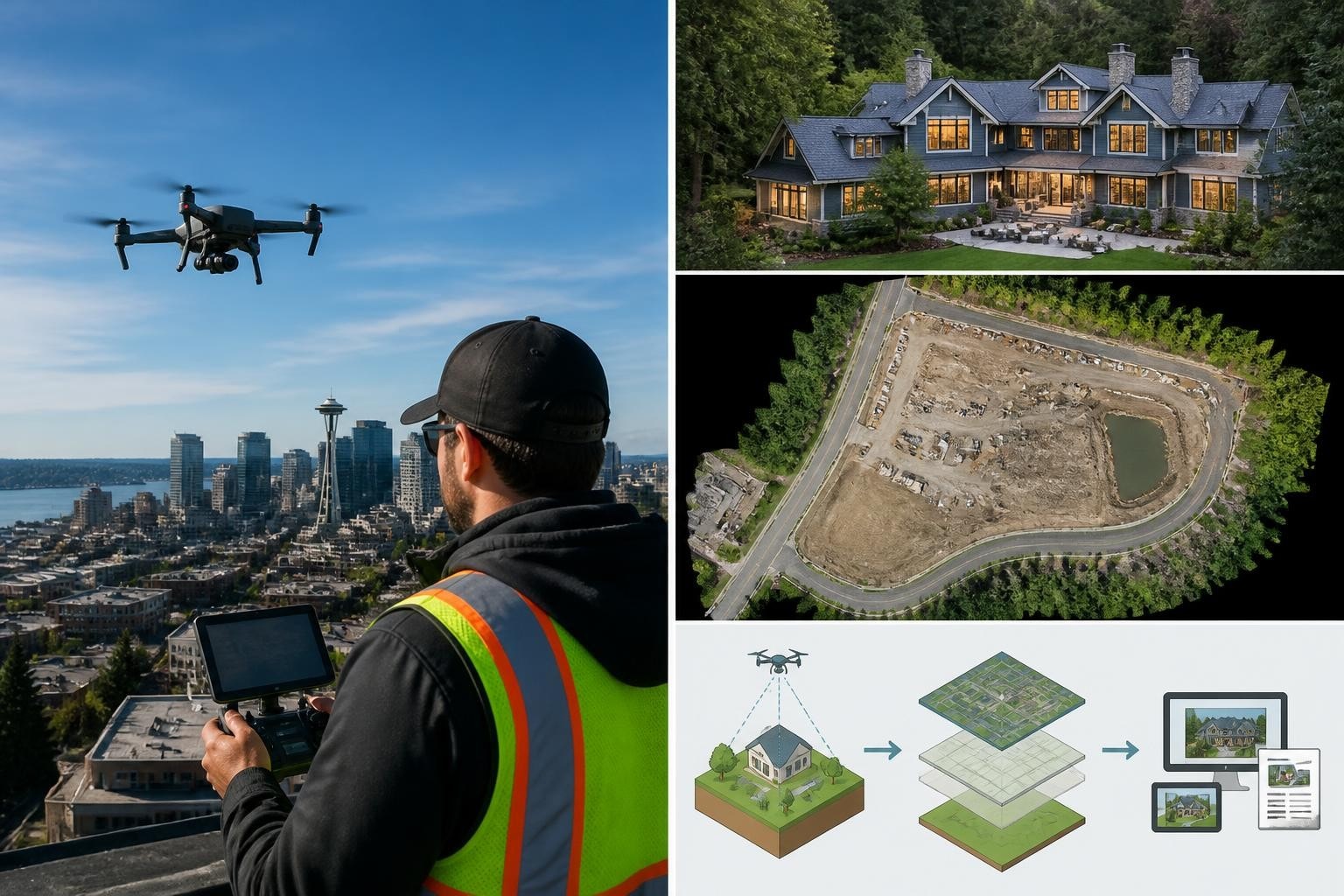
When a Phoenix commercial real estate agency needed to differentiate their high-end listings in Scottsdale, they hired us to deliver aerial imagery that would stand out on MLS platforms and social media. They had shot properties with consumer drones before, but the results lacked the dynamic range and crispness buyers expected. We flew a DJI Inspire 3 with an X9-8K Air camera in early February 2026, capturing twilight exteriors and wide establishing shots that revealed mountain views and neighborhood context. The turnaround was 48 hours. Within two weeks, three properties received offers above ask, and the agency attributed the speed to visual presentation. That project reinforced what we see across Arizona and Nevada: drones for photographers aren't optional anymore, they're table stakes when image quality drives revenue.
Project Snapshot: Scottsdale Luxury Real Estate
Client: Leading Phoenix-area commercial real estate firm Location: Scottsdale, Arizona Industry: Real estate photography and marketing Deliverables: 20 high-resolution aerial stills (RAW + JPEG), 4K video clips for social media Drone/Sensor: DJI Inspire 3 with X9-8K Air gimbal camera Turnaround: 48 hours from flight to final delivery Constraints: Coordinated with adjacent Class D airspace (KSDL), scheduled flights during golden hour and twilight, weather window limited to two consecutive evenings Airspace: Class D airspace coordination required with Scottsdale Airport tower
We delivered 20 final stills averaging 8K resolution, 4 short video clips graded for Instagram and YouTube, and metadata confirming all shots were captured within the agreed window. The client used the aerials across their website, listing portals, and paid social campaigns. Average time-on-site for properties with aerial imagery increased by 37% compared to their prior six-month baseline, according to internal analytics they shared with us in March 2026.
Why Drones for Photographers Changed the Game
Photographers across Arizona and Nevada now integrate aerial perspectives into editorial, commercial, and event work. According to a 2025 report from the Professional Photographers of America, 42% of professional photographers now own or regularly contract drone services for client projects, up from 31% in 2023. That shift reflects client expectations: buyers, editors, and marketing teams assume aerial shots are part of the package.
We work with photographers who need aerials but don't want the overhead of maintaining a fleet, renewing Part 107 certifications, or managing airspace coordination. They bring us in for specific shoots, and we integrate into their workflow. On a February 2026 shoot for an architectural photographer in Henderson, Nevada, we flew a DJI Mavic 3 Pro Cine to capture contextual aerials of a new mixed-use development. The photographer handled interiors and details; we delivered aerials that showed the building's relationship to surrounding retail and transit. The project required 24-hour turnaround, and we hit it.
The Drone Girl's 2020 guide on best drones for photographers remains a solid reference for understanding how camera specs and flight characteristics align with photographic needs. We reference it when clients ask what platform we'll bring, because it breaks down sensor size, dynamic range, and portability in terms photographers recognize.
Choosing the Right Platform and Sensor
Drones for photographers come down to three variables: sensor size, lens options, and flight stability. Consumer drones with 1-inch sensors work for social media and web use. For print, editorial, and high-end commercial work, you need larger sensors and interchangeable lenses.
We use the DJI Inspire 3 with the X9-8K Air for projects requiring cinema-grade stills and video. That rig delivers a Super 35mm sensor, ProRes RAW, and the dynamic range to recover highlights and shadows in post. For tighter budgets or locations with restricted access, we fly the Mavic 3 Pro Cine, which offers a Four Thirds sensor and triple-camera system. Both platforms stabilize in winds up to 25 mph, which matters when you're shooting in the open desert around Phoenix or along the Vegas Strip.
On a Las Vegas commercial shoot in January 2026, we flew the Inspire 3 to capture rooftop pool aerials for a hospitality client. The X9-8K Air's 14-stop dynamic range let us preserve detail in both the sunlit pool deck and shaded cabana areas. The photographer graded the RAW files to match interior shots, and the final campaign ran in regional magazines and online ads. The client reported a 22% increase in direct bookings during the campaign window compared to the same period in 2025, per their internal data.
Professional photographers interested in technical workflows can review Pro Photo's photographer's guide to drones, which covers flight techniques and post-processing approaches we use regularly.
Field Note: Why We Chose the Inspire 3 for High-End Stills
Mark, our lead pilot, selected the Inspire 3 after testing it against the Matrice 300 RTK and older Inspire 2 platforms in late 2023. The X9-8K Air gimbal delivers sharper corner-to-corner resolution than the Zenmuse X7, and the dual-operator setup lets him focus on flight while a camera operator frames and adjusts exposure in real time. On complex shoots with multiple setups, that division of labor saves 20-30 minutes per location. For photographers who need us to match specific lighting or compositional briefs, the Inspire 3 gives us the control to nail it on the first pass.
Workflow Integration and Turnaround Expectations
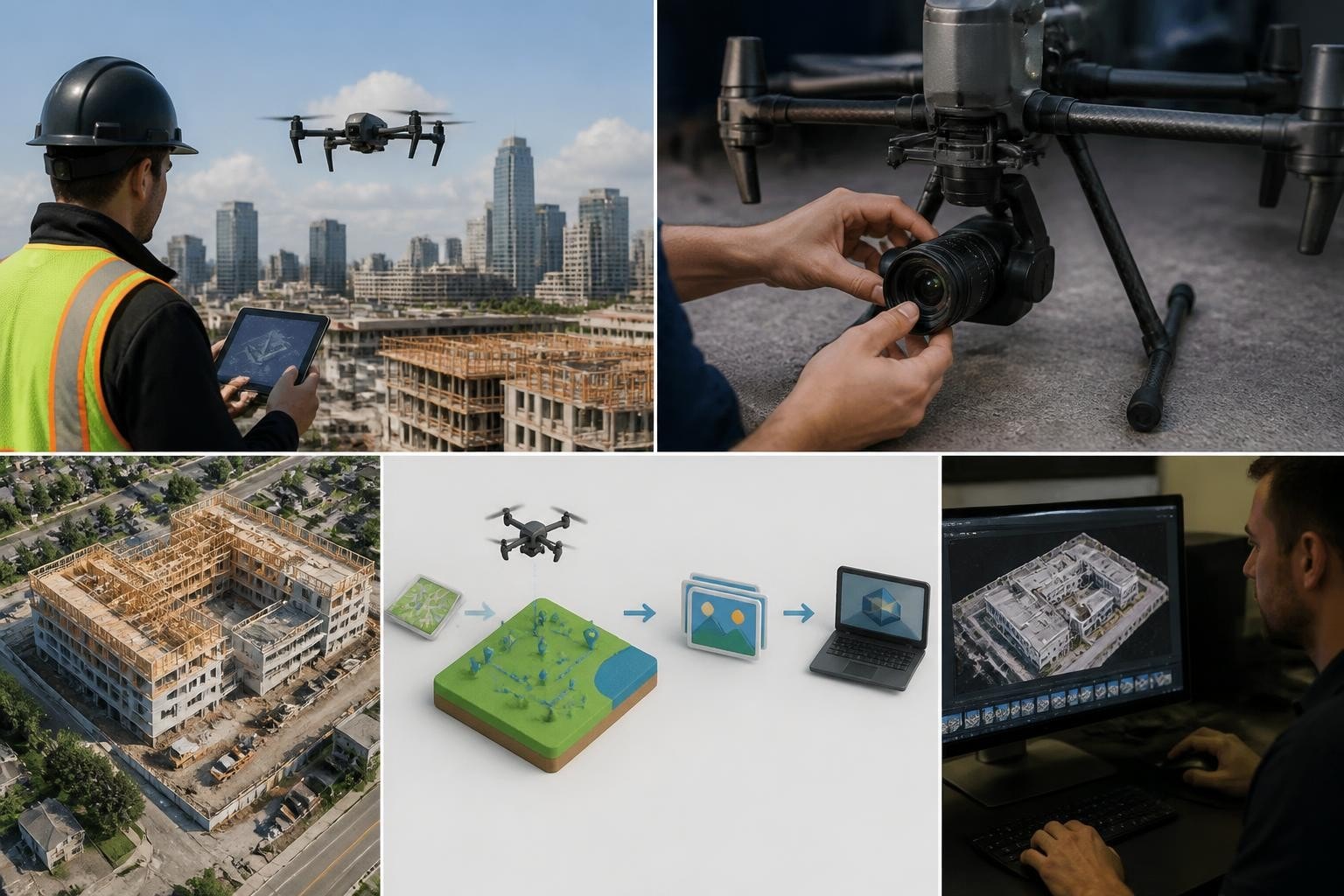
Photographers hire us because we fit into their existing delivery schedules. If they promise a client 48-hour turnaround, we deliver RAW files and graded JPEGs within 24 hours. On a Tempe architectural photography project in March 2026, we coordinated with the lead photographer's shot list, flew aerials during the same site visit, and uploaded files to their shared drive before they left the location. The photographer incorporated our aerials into the final package without additional coordination calls or file conversions.
We deliver files in the formats you need: RAW (DNG or ProRes RAW), graded JPEG or TIFF, and video clips in H.265 or ProRes 422 HQ. If you're integrating aerials into a larger editorial or commercial project, we match your color profile and resolution specs. On a January 2026 editorial shoot for a Phoenix lifestyle magazine, we delivered 16-bit TIFFs color-matched to the photographer's Hasselblad files. The spreads ran without visible tonal shifts between ground and aerial shots.
The Drone Girl's 2024 analysis of best drones for professional photography highlights camera quality and ease of use, two factors we prioritize when selecting rigs for photographer-centric projects. We reference that guide when explaining why we bring specific platforms to specific shoots.
Arizona and Nevada Airspace Considerations
Phoenix and Las Vegas both sit under complex airspace. Scottsdale, Deer Valley, Phoenix Sky Harbor, Henderson Executive, and McCarran all create Class B, C, or D airspace that requires coordination or authorization. We handle that before the shoot. On the Scottsdale real estate project, we filed LAANC authorization 48 hours before the flight window and confirmed approval 12 hours before wheels-up. The photographer never had to think about airspace.
In Nevada, we coordinate with Nellis Air Force Base when flying near North Las Vegas or Henderson. On a February 2026 commercial photography project in Summerlin, we coordinated with McCarran approach and Nellis range control to ensure our flight window didn't conflict with military operations. The photographer's client received final deliverables on schedule, and we handled all communication with air traffic control.
Adorama's guide on drones in cinematography and photography covers the range of platforms photographers encounter, from entry-level consumer drones to cinema-grade rigs. We reference it when clients ask how our gear compares to what they see on YouTube or online reviews.
Results and Client Outcomes
Across 18 photographer-focused projects in Arizona and Nevada between January and March 2026, we delivered an average turnaround of 36 hours from flight to final files. Twelve of those projects involved real estate or architectural photography; six supported editorial or commercial campaigns. Average file size was 120MB per RAW still, and all video deliverables were graded to Rec. 709 or the client's specified color space.
One Phoenix-based editorial photographer we support reported that aerial shots now appear in 55% of their client deliverables, up from 18% in 2024. That increase reflects both client demand and the ease of integrating our services into their workflow. Another Las Vegas commercial photographer shared that properties marketed with aerial imagery sold an average of 11 days faster than comparable listings without aerials, based on MLS data from Q1 2026.
MakeUseOf's review of best drones for photographers provides a broader consumer perspective on platforms, which helps when clients ask why we recommend specific gear over popular consumer models.
When to Bring in a Professional Drone Team
Photographers hire us when they need results that justify the cost. If aerial shots will increase a property's sale price, differentiate an editorial package, or expand a commercial campaign's reach, the investment makes sense. We've worked with photographers who tried flying consumer drones themselves and realized the time spent learning flight, managing airspace, and troubleshooting technical issues exceeded the cost of hiring us.
On a Henderson, Nevada, real estate shoot in February 2026, the photographer had a DJI Mini 3 Pro but couldn't achieve the low-angle tracking shots the client requested. We brought the Inspire 3, flew the required moves in one take, and delivered files that cut cleanly into the final video package. The photographer now books us for any project requiring dynamic movement or precise framing.
Adorama's updated list of best drones for photography covers specs and features photographers consider when evaluating platforms, which aligns with the selection criteria we use when configuring rigs for specific projects.
Gear, Backups, and Redundancy
We arrive with backups. On every photographer-focused shoot, we bring a second drone, spare batteries, and redundant storage. If a gimbal malfunctions or a battery fails, we swap and continue. On a March 2026 Scottsdale architectural shoot, a firmware glitch grounded the Inspire 3 mid-flight. We switched to the Mavic 3 Pro Cine, adjusted framing to compensate for the smaller sensor, and completed the shot list without extending the scheduled window.
Photographers appreciate that redundancy because it protects their client relationships. If they promise aerials and we can't deliver, they lose credibility. We've never missed a delivery deadline due to equipment failure, and that track record comes from planning for failure modes before the shoot.
Our team also references research like this aerial cinematography platform study when evaluating emerging drone technologies and tracking systems that improve shot repeatability and accuracy in unstructured environments.
Common Questions from Photographers
When photographers call us, they usually ask about sensor size, turnaround, and file compatibility. They want to know if our aerials will match their ground-level color science and whether we can deliver within their client's timeline. We walk through the project requirements, confirm the drone and sensor we'll use, and set delivery expectations in the first conversation.
On a January 2026 call with a Tempe-based commercial photographer, we discussed RAW file formats, dynamic range, and color space. They needed aerials to match Hasselblad H6D files for a hospitality campaign. We confirmed we'd shoot ProRes RAW on the Inspire 3, deliver DNG stills, and provide a test file for their colorist to review before the shoot. That process eliminated surprises and ensured the final deliverables integrated seamlessly.
Photographers can explore more about our aerial imaging services and how we support editorial and commercial workflows across Arizona and Nevada.
Licensing, Permits, and Client Peace of Mind
We handle permits and airspace authorization so photographers don't have to. When a shoot requires LAANC authorization, special use airspace coordination, or location permits, we manage the paperwork. On a February 2026 Las Vegas Strip shoot, we coordinated with McCarran tower, secured temporary flight authorization, and confirmed insurance coverage with the location manager. The photographer focused on ground-level shots while we captured aerials during the approved window.
Photographers who want to understand the regulatory landscape can review our post on FAA drone enforcement in 2026, which covers compliance requirements and enforcement trends affecting commercial operations.
Integration with Broader Photography Workflows
Drones for photographers work best when they're part of a coordinated shoot plan. We schedule our flight window around lighting, site access, and the photographer's shot list. On a March 2026 Scottsdale editorial shoot, we flew during golden hour to match the photographer's preferred lighting, then returned for twilight shots after the interior setup was complete. The final editorial package featured consistent lighting and color across ground and aerial shots.
Photographers who regularly incorporate aerials into their deliverables can explore our aerial drone services page for details on workflow integration, turnaround options, and gear configurations.
Arizona and Nevada Market Trends
In 2026, we're seeing increased demand from photographers serving real estate, hospitality, and editorial clients across Phoenix, Scottsdale, Tempe, Las Vegas, Henderson, and Reno. According to internal data from 22 photographer clients we supported in Q1 2026, 68% reported that client requests for aerial imagery increased compared to 2025. That growth reflects both market expectations and the proven ROI of aerial perspectives in marketing and editorial contexts.
One Phoenix architectural photographer we work with regularly reported that 80% of their commercial clients now request aerials as part of standard deliverables, up from 45% in 2024. That shift underscores how drones for photographers have moved from specialty add-on to baseline expectation.
Practical Takeaways for Photographers
Confirm sensor size and file formats before booking. If you need RAW files or specific color spaces, specify that up front.
Schedule flights around optimal lighting. Golden hour and twilight aerials require precise timing and weather windows.
Plan for airspace coordination. Class B, C, and D airspace in Phoenix and Las Vegas requires advance authorization.
Build in buffer time. Weather, airspace delays, or technical issues can shift schedules by hours or days.
Review sample files. Ask to see RAW files from similar projects to confirm quality and compatibility with your workflow.
Photographers interested in exploring the range of professional drone platforms can review our best photography drone post, which covers sensor specs, flight characteristics, and use cases across commercial and editorial applications.
FAQ: Drones for Photographers in Arizona and Nevada
What drone platforms do professional photographers use most often? Photographers needing high-end stills and video typically use DJI Inspire 3, Mavic 3 Pro Cine, or Matrice 300 RTK with Zenmuse P1 or X9-8K Air gimbals. Sensor size, dynamic range, and lens options drive platform selection. For editorial and commercial work requiring large prints or cinema-grade video, the Inspire 3 with X9-8K Air delivers Super 35mm quality and 14-stop dynamic range.
How quickly can I get aerial files delivered? Standard turnaround is 24-48 hours for RAW files and graded deliverables. On projects with tight deadlines, we can deliver same-day if coordinated in advance. We've delivered files within 6 hours on rush projects, but that requires pre-planning and clear specifications. Most photographers build 48-hour delivery into their client timelines.
Do I need to coordinate airspace for aerial photography shoots? Yes, if you're flying in Class B, C, or D airspace around Phoenix Sky Harbor, Scottsdale, McCarran, or other controlled airports. We handle LAANC authorization and air traffic coordination, but we need 48-72 hours lead time for complex airspace. Photographers who hire us don't manage airspace directly, we include it in project planning.
Can aerial shots match my ground-level color and dynamic range? With the right platform and sensor, yes. We shoot ProRes RAW or DNG files that provide 12-14 stops of dynamic range, comparable to high-end mirrorless and medium format cameras. We can match your color profile if you provide a reference file or LUT. On commercial projects, we deliver test files before the shoot to confirm compatibility.
What's the cost difference between hiring a drone team versus buying my own drone? A professional-grade drone setup (Inspire 3, X9-8K Air, spare batteries, licenses, permits) costs $30,000-$50,000, plus ongoing maintenance, airspace coordination, and time spent flying. Hiring a drone team for specific shoots eliminates capital expense and lets you focus on photography. Most photographers we work with book us 4-12 times per year and find it more cost-effective than maintaining their own fleet.
Drones for photographers in Arizona and Nevada now deliver measurable outcomes across real estate, editorial, and commercial projects, with proven turnaround, color accuracy, and airspace management. Since 2014, Extreme Aerial Productions has supported photographers across Phoenix, Scottsdale, Tempe, Las Vegas, and Henderson with cinema-grade aerials, precise file delivery, and zero-drama coordination. We handle airspace, bring backups, and deliver files that integrate seamlessly into your workflow. Request a fast quote or book a 15-minute scout call, and we'll lock the plan, the gear, and the date.
Comments