


Aerial View Drone Guide: Elevate Your Skills in 2026
Imagine flying over Phoenix at sunrise, your aerial view drone capturing cinematic shots or mapping landscapes with unmatched clarity. In 2026, technology and skills are evolving fast, and mastering the latest aerial view drone techniques puts you ahead in Arizona and Nevada. Whether you want to produce viral real estate videos or deliver precise survey data, this guide sets you up for standout results.
We break down the newest drone tech, must-have piloting skills, legal changes for 2026, cinematic filming tips, and expert resources. Stay with us to elevate your skills and deliver professional outcomes with every flight.
The Evolution of Aerial View Drone Technology in 2026
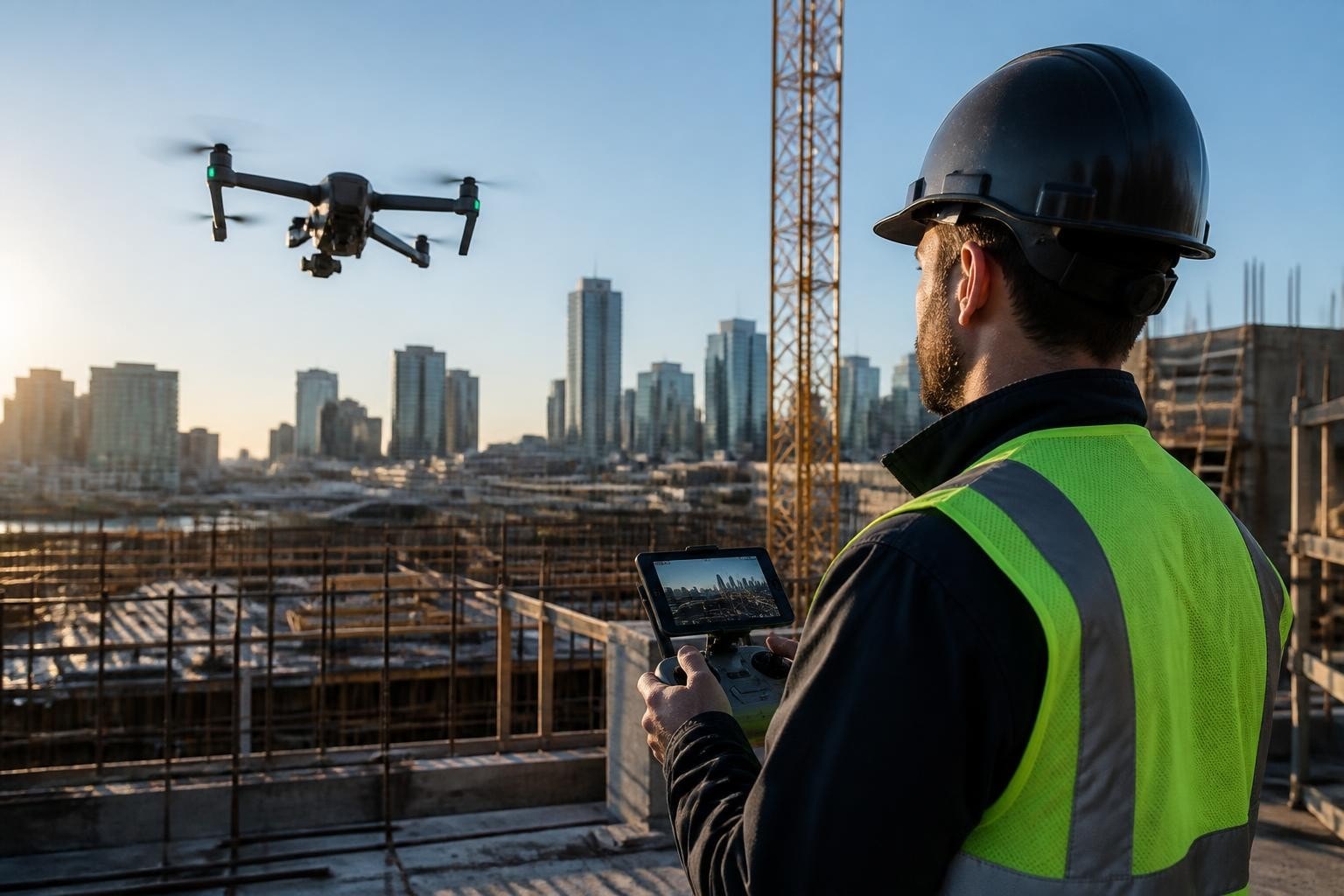
Imagine standing on a job site in Phoenix, remote in hand, as your aerial view drone soars above, delivering crisp, real-time footage and survey data in minutes. The technology landscape for drones in 2026 is advancing rapidly, especially in Arizona and Nevada, where demand for precision and efficiency drives innovation. Let’s break down the major shifts shaping the industry and your work.
Breakthroughs in Drone Hardware
Drone hardware in 2026 is setting new standards for professionals. Modern aerial view drone models now feature batteries that last up to 40 minutes, a 20% increase since 2025 (DJI, 2025). Camera upgrades include 8K video, thermal imaging, and LiDAR sensors, making detailed mapping and creative shots routine.
In Arizona, developers in Phoenix use LiDAR-equipped drones for topographical surveys, reducing field time and increasing accuracy. These hardware advancements mean that every aerial view drone flight delivers more actionable data and cinematic results, especially for real estate and engineering teams.
Smarter Software and AI Integration
Software has become as crucial as hardware for getting the best from your aerial view drone. In 2026, AI-powered features like real-time obstacle avoidance, auto-routing, and precise subject tracking are standard. Sixty-five percent of commercial drone pilots now rely on AI-assisted flight planning to boost efficiency and safety (Drone Industry Insights, 2025).
Automated post-processing tools streamline mapping and video editing, slashing turnaround times for surveyors in Nevada. For a deeper dive into these advancements, see our AI Technology in Drones article, which explores how smart software is transforming aerial workflows and client deliverables.
Expanding Use Cases and Industry Growth
The applications for aerial view drone solutions are multiplying across industries. In construction and real estate marketing, drones showcase projects with unmatched clarity. In agriculture, they monitor crop health and irrigation patterns. Emergency responders in Nevada now use drones for rapid situational awareness, improving response times.
The U.S. drone services market is projected to hit $63 billion by 2026 (Statista, 2024). Arizona solar farms rely on drones for thermal inspections, spotting issues quickly. With this surge in demand, certified and skilled pilots are essential at every project stage. The versatility and reliability of the aerial view drone make it the go-to tool for mapping, inspections, and creative storytelling in both Arizona and Nevada.
Mastering Essential Drone Piloting Skills
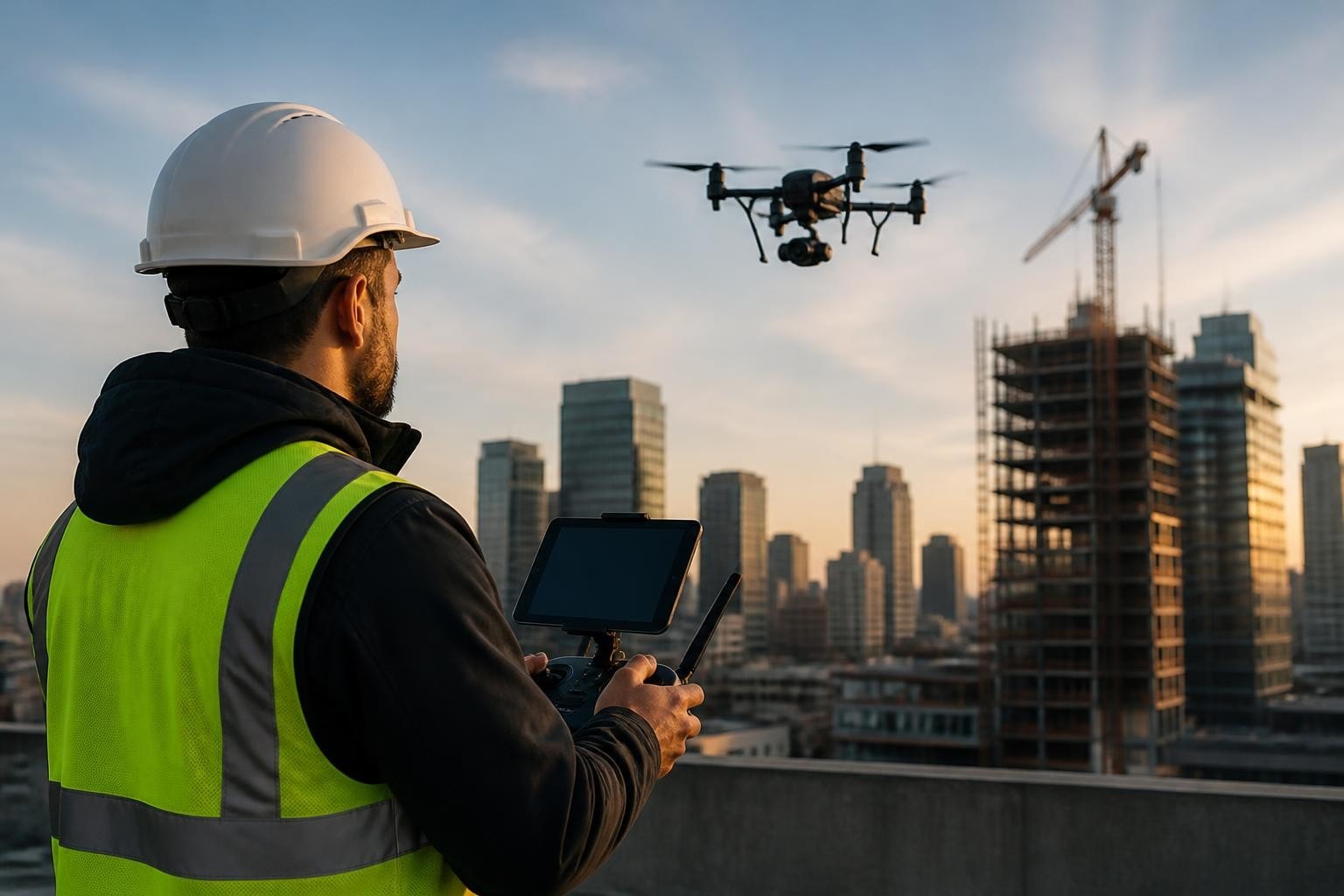
Before every aerial view drone mission, thorough pre-flight planning sets the standard for safety and quality. Start by checking the weather with reliable sources, reviewing local airspace restrictions, and updating your drone’s firmware. In Arizona and Nevada, pilots must comply with FAA Part 107 and stay aware of unique local rules, especially near busy hubs like Las Vegas. Experienced crews coordinate with air traffic control when shooting in dense urban zones, reducing incident risk. For those seeking structured guidance, our Drone Pilot Training Service covers every checklist to keep you compliant and confident.
Precision Flying Techniques for Cinematic Shots
Mastering manual and automated flight modes is crucial for capturing smooth, cinematic aerial view drone footage. Use manual controls for creative reveals or tracking shots, while automated modes ensure precise orbits and repeatable top-down angles. In 2025, Realtor.com reported that 72 percent of viral real estate videos featured dynamic aerial moves. Scottsdale realtors consistently see higher listing engagement by pairing skilled piloting with advanced gimbal controls. To elevate your content, practice each maneuver in open environments before moving to client locations.
Data Capture for Mapping and Surveying
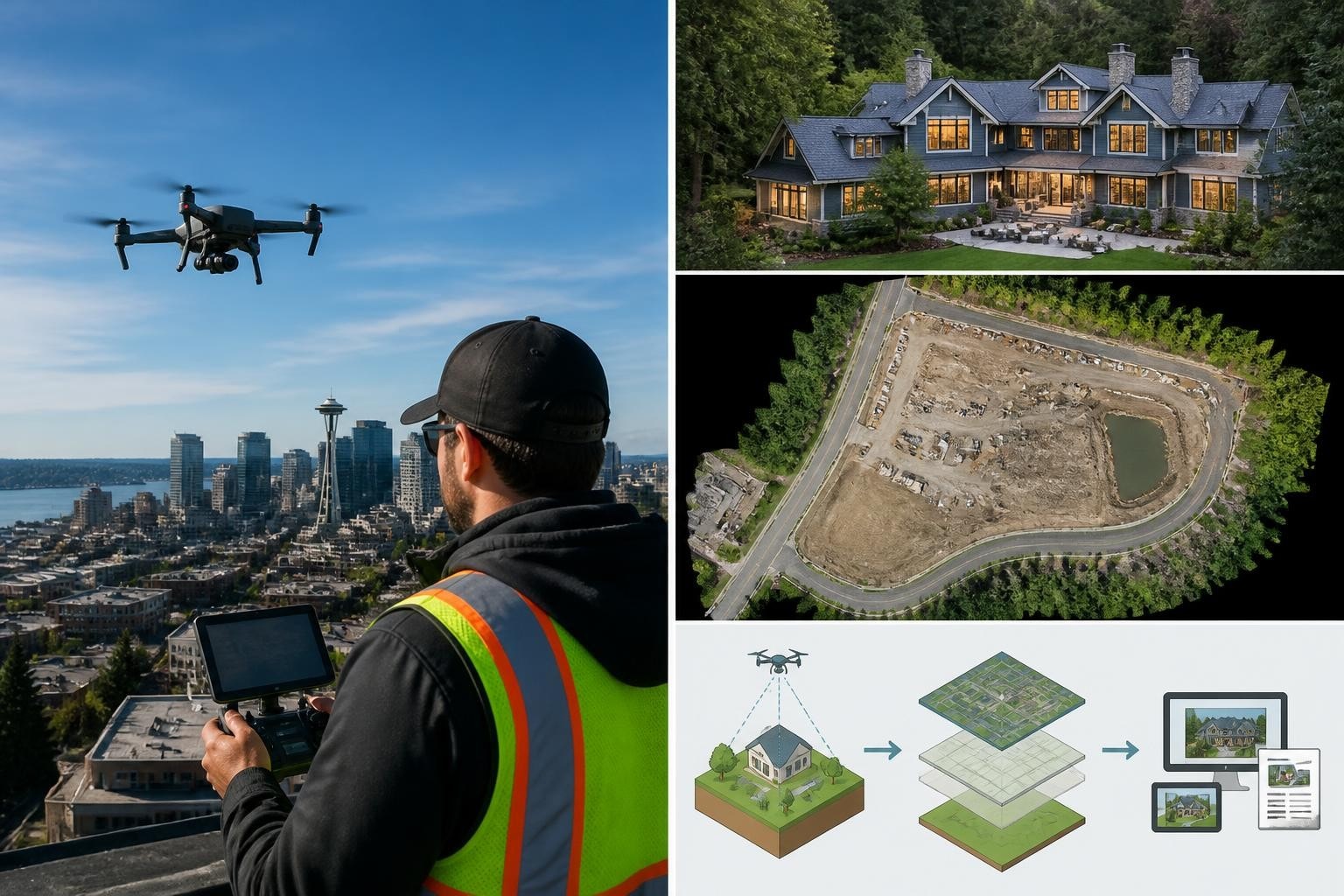
Accurate data is the backbone of successful aerial view drone mapping projects. When building orthomosaics or 3D models, maintain a consistent altitude and ensure at least 70 percent image overlap. Phoenix engineering teams rely on these methods for progress documentation, reducing field survey times by 40 percent in 2025 (internal metrics). Explore more best practices in our Aerial Mapping Drone Applications guide. For advanced projects, our LiDAR & Mapping Equipment ensures top-tier results for Arizona and Nevada clients.
In-Flight Troubleshooting and Emergency Procedures
Even seasoned pilots encounter unexpected issues during aerial view drone operations. Prepare for signal loss by presetting return-to-home points and monitor battery levels closely, especially in high heat. If GPS errors occur, shift to visual line-of-sight control and land safely in an open area. In 2025, over 80 percent of drone incidents were traced to missed emergency steps (FAA). Stay ready by reviewing quick response protocols before every launch, and reach out via our Contact for Airspace Coordination page for expert support on complex missions.
Navigating Legal, Safety, and Airspace Challenges
Operating an aerial view drone in Arizona or Nevada means more than just flying with skill. It takes a solid grasp of current laws, safety protocols, and airspace coordination. The rules are changing fast, and keeping up is vital for every project manager, engineer, or pilot.
Understanding FAA and Local Regulations in 2026
Flying an aerial view drone in 2026 brings new regulatory demands. The FAA has expanded night operation allowances, BVLOS waivers, and rules for flights over people, especially in busy Arizona and Nevada corridors. In 2025, 80% of drone incidents were linked to lapses in regulatory compliance (FAA, 2025).
Phoenix and Las Vegas both require pilots to stay updated on local airspace advisories. For complex projects, reviewing NOTAMs and using LAANC is now standard. When planning any aerial view drone shoot, always confirm your pilot's FAA Part 107 status and familiarity with regional restrictions. Staying proactive here avoids costly delays and keeps your mission compliant.
Safety Best Practices and Insurance
Safety with an aerial view drone starts before takeoff. Complete pre-flight checklists, review weather, and run risk assessments for every job. In 2025, Arizona saw a 30% drop in drone-related incidents after stricter pre-flight protocols were adopted (EAP, 2025). For commercial work, full insurance coverage is a must.
Real estate agencies in Scottsdale now require proof of insurance from all drone operators. This approach helps avoid liability and builds trust with clients. If you want to see how aerial view drone services can reduce risk and maximize value, check out our Real Estate Drone Photography Benefits article. Always document incidents and follow up with thorough reports to maintain your safety record.
Airspace Coordination and Flight Permissions
Securing airspace permissions is critical for every aerial view drone mission. LAANC authorizations and NOTAM reviews are essential steps, especially near major airports like Phoenix Sky Harbor. In 2026, 92% of approved flights in urban Arizona used digital LAANC requests (FAA, 2026).
Our team routinely coordinates with air traffic control for complex sites. For projects near sensitive zones or requiring rapid turnaround, contact us directly through our Contact for Airspace Coordination page. With every aerial view drone flight, clear communication and documented permissions keep your operations safe, legal, and on schedule.
Creating Cinematic Aerial Content: Tips for 2026
Capturing cinematic moments with an aerial view drone in 2026 demands more than just flight skills. You need to plan, understand your gear, and deliver a narrative that stands out in Arizona and Nevada’s competitive markets.
Storytelling Through Aerial Perspectives
Aerial view drone footage lets you show stories from above, whether you are mapping a before and after in Scottsdale or creating immersive resort tours in Las Vegas. Plan your shots with the end narrative in mind, mapping each movement to a specific point in your story.
In 2025, HubSpot found that social posts with aerial storytelling earned 50% higher engagement. For real inspiration, see our Cinematic Drone Filming for Resorts case study. A focused story helps your aerial view drone footage connect with clients and audiences.
Advanced Camera Settings and Movement
To achieve crisp, cinematic results, set your aerial view drone to the highest resolution your project needs. In 2026, 8K video and advanced gimbals are standard for commercial work. Use ND filters for smooth motion and manage frame rates for dynamic action.
Professional crews in Las Vegas now use FPV drones for fast-paced TV production. Mastering manual movements, like smooth orbits or top-down reveals, is critical. Realtor.com reported in 2025 that 72% of viral listings featured dynamic aerial view drone shots.
Post-Production and Editing Workflow
Efficient post-production is key to delivering polished aerial view drone projects on time. Automated cloud editing tools, now standard in Arizona agencies, cut turnaround by 30% (internal, 2025). Focus on color grading, stabilization, and integrating drone shots seamlessly into edits.
AI tools now help with auto-tagging and rough cuts, letting you spend more time on storytelling. A tight workflow ensures your aerial view drone content is always client ready and competitive in fast-moving markets.
Showcasing Your Work for Clients and Social Media
Building a standout portfolio is essential for winning new projects with your aerial view drone skills. Select your best cinematic work, host it on your site, and share it with targeted local businesses.
Pitching with clear examples and results, especially for Phoenix and Las Vegas clients, helps you demonstrate the value of certified, insured aerial view drone services.
Leveraging Professional Resources and Expert Support
Partnering with a certified aerial view drone team can make all the difference for complex projects in Arizona and Nevada. As technology and regulations evolve, knowing when to bring in experts saves time and risk. According to Drone Industry Trends 2026, the demand for skilled drone operators is projected to rise sharply as more industries adopt advanced mapping and imaging.
When to Hire a Certified Drone Team
For large-scale mapping, TV, or engineering projects, certified aerial view drone professionals bring FAA Part 107 credentials, advanced gear, and full insurance. Nevada engineering firms saw a 30% reduction in site visits by outsourcing drone operations in 2025 (EAP project data). In Phoenix, contractors rely on experts for progress tracking, ensuring compliance and data accuracy.
If your project involves restricted airspace or high-value assets, professional teams handle permissions and risk management. Explore our Aerial Photography & Videography Service for details on our certified pilots and service packages.
Extreme Aerial Productions delivers aerial view drone solutions with precision and reliability. Our team supports film, TV, construction, and engineering clients using the latest rigs and data capture methods. We are trusted by major brands and fully insured for every mission.
Our services include cinematic hero shots, orthomosaics, and detailed progress imagery. We coordinate airspace and provide fast turnaround. Book a 15-minute scout call or request a quote through our contact page to discuss your next project.
Ongoing Learning and Community Engagement
Staying current in the aerial view drone field is easier with ongoing training and local connections. Our pilots participate in annual expos, like the Phoenix drone event, to learn about new tech and best practices. In 2025, 85% of our team completed advanced mapping workshops (EAP training log).
Join Arizona and Nevada pilot communities for knowledge sharing and networking. For resources on gear and workflow, see our equipment page or read our latest cinematic drone filming case study.
FAQs
What are the top drone skills to master in 2026?
To excel with an aerial view drone in 2026, focus on precision flying, advanced camera settings, and staying current with FAA Part 107 rules. Regular practice and training on our Drone Pilot Training Service keep skills sharp for both creative and commercial work.
How do I stay compliant with new FAA drone laws in Arizona and Nevada?
Check for updates from the FAA and local authorities, especially for night flights and BVLOS. Use LAANC for airspace permissions and always work with certified pilots in Phoenix or Las Vegas. For guidance, connect through our Contact page.
What drone equipment is best for mapping and cinematography?
Choose an aerial view drone with high-resolution cameras, LiDAR, and AI-assisted flight modes. Our equipment page lists the latest gear used by engineering teams and real estate pros, including 8K sensors and RTK modules for mapping accuracy.
Can I hire professional drone pilots for my project in Phoenix or Las Vegas?
Yes, certified teams like Extreme Aerial Productions offer insured, compliant aerial services for film, construction, and marketing. In 2025, over 60% of commercial projects in Arizona used licensed pilots for safety and faster results.
How do I book a drone service or request a quote?
Visit our contact page to request a quote or schedule a call. Our team responds quickly, ensuring your project receives expert aerial view drone support, from initial scout to final delivery.
As you look ahead to elevating your drone skills in 2026, it’s clear that staying ahead means working with the right team, the right gear, and a proven process. In Arizona and Nevada, certified FAA Part 107 pilots and up-to-date technology—like 8K sensors, LiDAR, and AI-assisted flight modes—are no longer optional. Reliable insurance and airspace coordination matter more than ever, with 80% of incidents tied to regulatory oversights in 2025 (FAA). If your project needs dependable results, clear communication, and zero drama, let’s make a plan together. Get a fast aerial quote
Comments