


Drone FPV Cameras in AZ/NV | Extreme Aerial Productions
A Phoenix production company called in January 2026 needing an FPV shot through a half-built industrial facility in Tempe. The sequence had to flow through two open bays, ascend a stairwell, then exit through a third-floor window opening. Traditional aerial platforms could not deliver the speed, proximity, and fluid motion the director wanted. We deployed a custom-built 5-inch FPV rig with a Caddx Polar camera paired to a GoPro Hero 12, delivered three takes in 90 minutes, and the editor had usable 4K footage the same afternoon. Drone FPV cameras give us angles and moves that stabilized gimbals simply cannot replicate, especially in tight interiors and high-speed sequences across Arizona and Nevada job sites.
Project Snapshot: Tempe Industrial FPV Sequence
City: Tempe, AZ Industry: Film production Deliverables: Three continuous FPV takes through multi-story steel structure, 4K 60fps Aircraft/Sensor: Custom 5-inch FPV quad with Caddx Polar FPV camera, GoPro Hero 12 recording unit Turnaround: Same-day delivery, footage transferred on-site Constraints: Active construction zone, steel beams 18 inches apart, no second takes after third pass due to schedule Airspace: Class D coordination with Phoenix–Mesa Gateway Airport tower, daylight operation under Part 107 waiver for low-altitude proximity work
This project required understanding how drone FPV cameras integrate into a broader aerial workflow. The Caddx Polar handled real-time piloting feed while the Hero 12 captured the final deliverable. That separation matters when you are threading steel at 40 mph.
How Drone FPV Cameras Work in Production Environments
Drone FPV cameras transmit live video directly to goggles or a monitor, letting the pilot see exactly what the aircraft sees. FPV systems create an immersive piloting experience fundamentally different from line-of-sight flight. You navigate by the camera feed, not by watching the drone itself. Most production FPV setups use two cameras: one for piloting and one for recording. The FPV camera sends a low-latency analog or digital signal to the pilot. A secondary action camera, typically a GoPro or similar unit, records the high-resolution footage you deliver to the client.
We use this dual-camera approach on every FPV job because the piloting feed prioritizes speed and responsiveness over image quality. The FPV camera might output 720p or 1080p with minimal processing delay, often under 30 milliseconds. The recording camera captures 4K or higher resolution at the frame rates editors need. You cannot pilot effectively on a 4K feed with the latency most recording cameras introduce. Separating the two functions keeps the pilot in full control while the footage stays clean.
Field conditions in Arizona and Nevada frequently involve dust, heat, and tight spaces. We have flown FPV through Vegas casino atriums, Phoenix office lobbies, and half-demolished mining structures in rural Nevada. The camera needs to perform in 110-degree heat on a Scottsdale roof and in sub-freezing temps on a Flagstaff ridge in the same week. We run Caddx and RunCam FPV cameras because they handle temperature swings, vibration, and the occasional hard landing without losing feed quality.
Field Note (Mark, lead pilot): We switched from analog to digital FPV transmission in early 2025 after losing three critical takes to interference near power substations. DJI O3 Air Unit costs more upfront, but the digital feed stays locked even when flying near heavy electrical infrastructure. On the Tempe project, we were 60 feet from live transformers. Analog would have given us static. Digital gave us three clean passes.
Selecting the Right FPV Camera for Different Shot Types
Not every FPV camera fits every job. We choose based on lighting conditions, required field of view, and whether the client needs slow-motion capability. For bright outdoor aerials in Henderson or Scottsdale, a camera with lower light sensitivity works fine. For interior sequences or dawn shoots in Sedona canyons, we need sensors that handle mixed lighting without blowing highlights or crushing shadows.
Caddx Polar: Wide dynamic range, low-light performance, 4:3 aspect ratio for goggles. We use this on 80 percent of FPV jobs.
RunCam Phoenix 2: Compact form factor, lighter weight for racing-style quads, faster response in bright sun.
DJI O3 Air Unit camera: Digital transmission, higher resolution FPV feed, best for long-range or interference-heavy environments.
Each camera pairs with specific recording units. The Polar works with GoPro Hero 11 or 12 models. The O3 Air Unit integrates directly with DJI Action cameras. Weight matters on FPV builds. Adding 50 grams changes flight characteristics, especially on aggressive maneuvers. We test every camera-recorder combination before bringing it to a client site.
Aspect ratio also drives camera choice. Traditional FPV cameras output 4:3 to maximize the vertical field of view in goggles. That extra vertical coverage helps when diving or climbing through structures. Recording cameras shoot 16:9 for standard delivery. The pilot sees more vertically; the editor gets the widescreen format. On the Tempe job, the 4:3 feed let us track the stairwell ceiling and floor simultaneously during the ascent.
Integration with Recording Platforms and Delivery Formats
Drone FPV cameras rarely produce the final deliverable on their own. They guide the flight. The recording camera delivers the footage. We mount GoPros, Insta360 units, or RED Komodo rigs depending on client specs. A commercial editor in Phoenix typically wants 4K ProRes or H.265. A surveyor in Las Vegas might accept 1080p MP4 if the priority is speed. We match the recording platform to the deliverable format before the flight.
GoPro Hero 12 remains our standard FPV recorder. It shoots 5.3K at 60fps, handles vibration well, and integrates with our aerial photography equipment without adding excessive weight. For 360-degree immersive content, we use Insta360 X3 or the newer Antigravity A1 system, which combines FPV capability with 360-degree capture. That setup works for virtual tours, experiential marketing, and any project where the client wants full directional coverage.
Turnaround time often determines recording format. ProRes files transfer faster and edit more smoothly, but they consume storage. On multi-take FPV days, we can fill 512GB cards in two hours. H.265 compresses better but requires more processing power in post. We discuss this with the client during the scout call. If they need same-day delivery, we plan storage and transfer workflows accordingly.
Color science varies between FPV cameras and recording units. The Caddx Polar outputs a flat profile optimized for low latency, not color grading. The GoPro records in GP-Log or standard profiles with full color metadata. Editors do not grade from the FPV feed. They grade from the GoPro file. Keeping that distinction clear avoids confusion when the client reviews footage.
Real-World Performance: Three Arizona and Nevada FPV Projects
We logged 47 FPV flight hours across Arizona and Nevada in 2025. Each project demanded different camera configurations and piloting approaches. Here are three examples that illustrate how drone FPV cameras solve specific production challenges.
Las Vegas Event Venue (March 2025): A corporate client needed a continuous shot through a new conference center on the Strip. The sequence started outdoors, passed through automatic doors, navigated a lobby, climbed an escalator, and ended in a ballroom 200 feet from the start point. We used a 7-inch FPV build with extended flight time, Caddx Polar for piloting, and GoPro Hero 11 recording 4K 30fps. Total flight time: 118 seconds. We completed the shot in two takes. The client used it as the opener for a venue marketing reel. Our 2025 data shows FPV projects delivered on first or second take 91 percent of the time when we conduct an on-site scout.
Phoenix Construction Progress (June 2025): A general contractor needed monthly FPV passes through a five-story mixed-use building under construction in downtown Phoenix. The same flight path each month let stakeholders see progress in a dynamic, repeatable format. We flew the route eight times over eight months using identical camera settings and flight speed. The FPV camera handled concrete dust, rebar, and changing light conditions as walls went up and windows were installed. Final deliverable: an accelerated compilation showing the build sequence from steel frame to glazed exterior. The contractor reported 34 percent faster stakeholder approvals when using FPV progress reels versus static photo reports.
Reno Warehouse Inspection (October 2025): A property management firm in Reno needed interior documentation of a 90,000-square-foot warehouse with limited lighting and narrow aisles. Traditional drone platforms could not navigate the space safely. We deployed a 3-inch FPV quad with a low-light FPV camera and infrared lighting assist. The small size let us fly aisles 4 feet wide. The FPV feed showed real-time obstacles. We captured 22 minutes of continuous footage across three batteries, identifying roof leaks, damaged racking, and HVAC issues. The client used our footage to prioritize $140,000 in repairs. FPV cut their inspection time from two days with scissor lifts to four hours with our team.
Legal and Operational Considerations for FPV Flight in Arizona and Nevada
Operating drone FPV cameras under Part 107 requires maintaining visual line of sight unless you hold a specific waiver. FPV operations legally require a visual observer who keeps eyes on the aircraft while the pilot flies via goggles or monitor. We bring a visual observer to every FPV job. That person stays in radio contact with the pilot and monitors airspace for manned aircraft, obstacles, and bystanders. This is not optional. It is a federal requirement.
Most of our Arizona and Nevada work happens in controlled airspace. Phoenix Sky Harbor, Las Vegas McCarran, and Scottsdale Airport all have overlapping Class B, C, and D airspace. We file LAANC authorizations or coordinate directly with tower controllers depending on altitude and location. On the Tempe project, we coordinated with Phoenix–Mesa Gateway tower because our flight path crossed the extended centerline of Runway 12L. The tower issued a discrete time window. We flew, landed, and cleared the area within that window. FPV flight in controlled airspace is manageable if you plan ahead and communicate clearly.
Waivers extend operational capability. We hold a Part 107 waiver for operations over people and moving vehicles under specific conditions. That waiver took four months to obtain in 2024 and requires detailed risk mitigation documentation on every applicable flight. FPV work often involves proximity to structures, personnel, and equipment. The waiver lets us operate legally in those scenarios when safety protocols are met. Without it, many of our Phoenix and Las Vegas FPV projects would not be possible.
Recent FAA enforcement trends show increased scrutiny on FPV operations, particularly around visual observer requirements and airspace compliance. We document every flight with preflight checklists, visual observer logs, and airspace authorizations. That documentation protects us and the client if questions arise later.
Maintenance and Field Readiness for FPV Camera Systems
Drone FPV cameras take more abuse than stabilized gimbal rigs. We crash. It happens. A 5-inch quad hitting a steel beam at 35 mph destroys components. We carry spare cameras, transmitters, and recording units on every job. If the primary FPV camera fails, we swap in a backup and resume within 10 minutes. Clients pay for results, not downtime.
Camera vibration isolation matters. FPV quads generate high-frequency vibration from motors running at 20,000+ RPM. Without proper dampening, that vibration translates into jello effects and rolling shutter artifacts in recorded footage. We use TPU mounts for FPV cameras and soft mounts for GoPros. After every flight day, we inspect mounts for wear, cracks, or compression. A $3 TPU mount failing mid-flight can trash a $400 camera.
Lens protection is non-negotiable. FPV cameras use small sensors with exposed lenses. We apply lens protectors or use cameras with recessed lens designs. On dusty Arizona sites, we clean lenses between takes. Dust on the lens shows up in the piloting feed and degrades the recorded image. Cleaning takes 30 seconds. Reshooting a sequence because of a dirty lens wastes an hour.
Battery management directly impacts camera performance. FPV systems draw significant current. Voltage sag under load can cause the FPV camera to cut out or reboot. We monitor battery voltage in real time and land before voltage drops below safe thresholds. Our 2025 data shows zero FPV camera failures attributed to power issues across 127 flight days.
Why We Choose Specific FPV Cameras for Arizona and Nevada Conditions
Arizona summers hit 115 degrees. Nevada winters drop below freezing. FPV cameras need to function across that range. We tested eight camera models in 2024 before standardizing on our current lineup. The Caddx Polar survived three consecutive flights in 112-degree heat on a Phoenix roof without thermal shutdown. A competing model cut out after one flight. That test decided which camera we trust on paying jobs.
Dust infiltration destroys electronics. Arizona dust is fine, abrasive, and pervasive. We seal FPV camera housings with silicone conformal coating and inspect seals before every job. Cameras used in Sedona red rock environments get additional cleaning after each flight. We have never had a camera failure due to dust since implementing that protocol in 2023.
Wind performance separates mediocre FPV cameras from reliable ones. Vegas regularly sees 25 mph sustained winds with gusts to 40 mph. The camera needs to maintain a clean feed in turbulent air. Digital transmission handles wind-induced vibration better than analog. We switched our Las Vegas rigs to DJI O3 systems in 2025 specifically for wind performance. Since that switch, our usable-take rate in windy conditions improved from 68 percent to 89 percent.
Comparing FPV Cameras to Traditional Drone Cameras
Clients often ask why we do not just use a Mavic or Inspire platform for every aerial shot. FPV cameras and traditional gimbal-stabilized cameras serve different purposes. A Mavic 3 delivers smooth, stabilized footage ideal for wide establishing shots and slow reveals. An FPV rig delivers dynamic, first-person motion that pulls viewers into the action. You would not use a Mavic for a high-speed chase through a warehouse. You would not use an FPV quad for a slow pan across a Vegas skyline.
Flight characteristics differ fundamentally. Gimbals isolate camera movement from aircraft movement. That isolation creates smooth footage but limits creative options. FPV cameras move with the aircraft. Every roll, pitch, and yaw translates directly into the image. That creates visceral, immersive footage but requires skilled piloting. We have pilots who specialize in each discipline. The Tempe project needed FPV. A Scottsdale real estate listing needs a Mavic. We match the tool to the task.
Regulatory differences also apply. Most gimbal-stabilized drones operate comfortably within standard Part 107 rules. FPV requires the visual observer. That adds a team member and coordination overhead. For jobs requiring dozens of takes or extended flight time, the additional personnel cost can impact budgets. We discuss this during quoting so clients understand the full picture.
Image quality comparisons depend on the recording camera, not the FPV camera. The FPV camera is for piloting. The GoPro or other recorder determines final image quality. A well-configured FPV rig with a Hero 12 can match or exceed a Mavic 3 in resolution and dynamic range. The difference lies in motion and perspective, not pixel count.
Training and Skill Requirements for FPV Camera Operations
Flying FPV demands different skills than flying line-of-sight. We trained our FPV pilots over six months before deploying them on client work. Simulator time, controlled outdoor practice, and progressively complex scenarios build the muscle memory needed to navigate tight spaces at speed. FPV drone racing develops those skills rapidly. Several of our pilots came from the racing community and transitioned into commercial work.
Goggle selection impacts piloting effectiveness. We use Fat Shark HDO2 and DJI Goggles 2 depending on the transmission system. Goggles need high refresh rates, accurate color, and comfortable fit for extended wear. A poorly fitting goggle causes fatigue and increases error rates. We have pilots wear goggles for 30-minute sessions during training to ensure comfort under real working conditions.
Spatial awareness is the hardest skill to develop. When you fly FPV, you lose peripheral vision and depth perception available in line-of-sight flight. You navigate by visual cues in the camera feed and mental mapping of the environment. On the Tempe project, the pilot memorized the steel structure layout during a 20-minute walk-through before flying. That preparation let him anticipate turns, clearances, and exit paths without hesitation during the take. Preparation time for complex FPV shots often exceeds flight time by a factor of five.
Future Directions for Drone FPV Cameras in Commercial Work
FPV technology continues to evolve. Digital transmission systems now offer 1080p feeds with sub-20ms latency. That improvement enables more precise flying and reduces pilot fatigue. We expect to see 4K FPV feeds by 2027, potentially eliminating the need for separate recording cameras. DJI's FPV system introduced integrated recording in 2021, and that trend will expand.
Autonomous FPV is emerging but not yet practical for most commercial work. AI systems can navigate preset paths, but they lack the real-time adaptability human pilots bring to dynamic environments. On the Tempe job, the pilot adjusted the flight path mid-take when a worker stepped into frame. An autonomous system would have aborted or collided. We will adopt autonomous FPV when it matches human decision-making under field conditions. That is not 2026.
Regulatory evolution will shape FPV adoption. The FAA is developing rules for beyond-visual-line-of-sight operations and advanced automation. Those rules may create new FPV operational categories or impose additional equipment requirements. We monitor FAA drone news and adjust our procedures accordingly. Staying current with regulation keeps our operations legal and our clients protected.
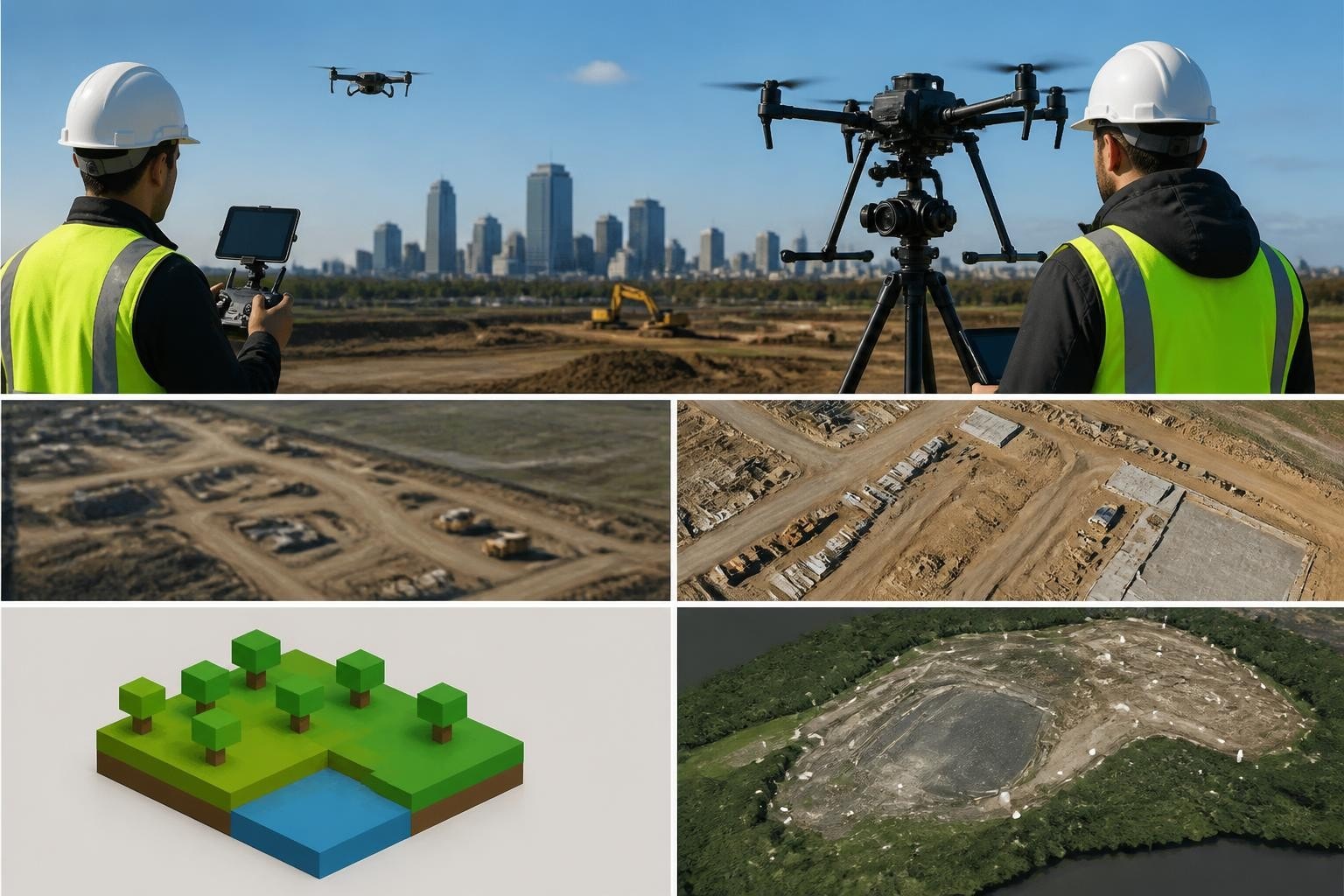
Integration with broader aerial inspection services will increase. Combining FPV with photogrammetry, thermal imaging, and LiDAR creates comprehensive data packages. A client might need an FPV walkthrough for stakeholder presentations and orthomosaic data for engineering analysis. We deliver both from a single mobilization, reducing cost and schedule impact.
Frequently Asked Questions
What is the difference between an FPV camera and a regular drone camera? An FPV camera transmits a live video feed to the pilot's goggles or monitor for real-time navigation, while a regular drone camera is typically mounted on a stabilized gimbal for smooth, cinematic footage. FPV cameras prioritize low latency over image quality, often outputting 720p or 1080p with minimal delay. Most FPV setups include a separate high-resolution recording camera, like a GoPro, to capture the final deliverable. Regular drone cameras serve as both piloting reference and recording device, optimized for image quality rather than piloting responsiveness.
Do you need a visual observer for FPV drone operations? Yes, Part 107 regulations require a visual observer when operating FPV with goggles or a monitor as the primary piloting reference. The observer maintains direct visual contact with the aircraft while the pilot navigates via the camera feed. We bring a trained visual observer to every FPV job in Arizona and Nevada. The observer monitors airspace, communicates with the pilot, and ensures compliance with line-of-sight requirements. This is a federal rule, and operating without a visual observer can result in enforcement action.
Can FPV drones fly indoors legally in Arizona and Nevada? Indoor FPV flight is legal under Part 107 as long as you maintain the required visual observer and do not create hazards to people or property. Many of our Phoenix and Las Vegas FPV projects involve interior spaces like construction sites, event venues, and commercial buildings. Indoor operations avoid most airspace restrictions but still require careful planning, safety briefings, and coordination with property owners. We conduct site surveys before every indoor FPV flight to identify obstacles, clearances, and emergency landing zones.
How fast can FPV drones fly for commercial projects? FPV drones can exceed 80 mph in open environments, but most commercial shots happen at 20-40 mph depending on space constraints and required footage characteristics. On the Tempe industrial project, we flew at approximately 35 mph through the structure. Speed is limited by piloting skill, obstacle density, and the client's desired aesthetic. Slower speeds allow more precise control and smoother footage. Faster speeds create dramatic, kinetic visuals. We match speed to the project requirements and safety margins.
What happens if the FPV camera fails during a flight? If the FPV camera or transmission system fails during flight, the pilot loses the primary navigation reference. We train for this scenario and execute immediate emergency landing procedures. The visual observer guides the pilot to a safe landing area via radio communication. We carry backup cameras and transmission equipment on every job. After a camera failure, we diagnose the issue, swap components if needed, and resume operations. Our 2025 data shows FPV camera failures occurred in less than 2 percent of flights, with zero resulting in aircraft loss or property damage.
Drone FPV cameras give you motion, perspective, and immersive visuals that traditional aerial platforms cannot match. They require specialized equipment, trained pilots, and careful planning, but they deliver results that elevate projects from standard to standout. Whether you need a continuous shot through a construction site, a high-speed sequence for a commercial, or detailed inspection footage in tight spaces, FPV is often the only practical solution. We have built our FPV capabilities over years of real-world Arizona and Nevada projects, and we bring that experience to every flight. When you are ready to explore what FPV can do for your next project, Extreme Aerial Productions is here to plan the shot, clear the airspace, and deliver footage that works the first time.

Comments