


Drone Photography and Video in Arizona | Extreme Aerial
A Scottsdale commercial developer needed construction progress tracked across three active sites, but aerial stills alone weren't showing the full story. Drone photography and video delivered both: 50 hi-res stills per site every two weeks, plus 4K walk-through sequences that showed equipment movement, sequencing, and staging areas. The result: project managers cut site visits by 40%, investors got quarterly video updates that explained progress clearly, and the marketing team had hero footage for leasing materials. All deliverables arrived within 48 hours of each flight.
Project Snapshot: Multi-Site Progress Documentation
Client: Commercial real estate developer Location: Scottsdale, Arizona Industry: Construction Deliverables: Bi-weekly progress stills (150 total) + quarterly video sequences (12 minutes edited) Equipment: DJI Inspire 2 with Zenmuse X7, ND filters for bright desert conditions Turnaround: 48 hours for stills, 5 days for edited video Constraints: Three sites separated by 8 miles, simultaneous pours at two locations, Class D airspace coordination at one site Airspace: LAANC authorization (one site), standard Part 107 operations (two sites)
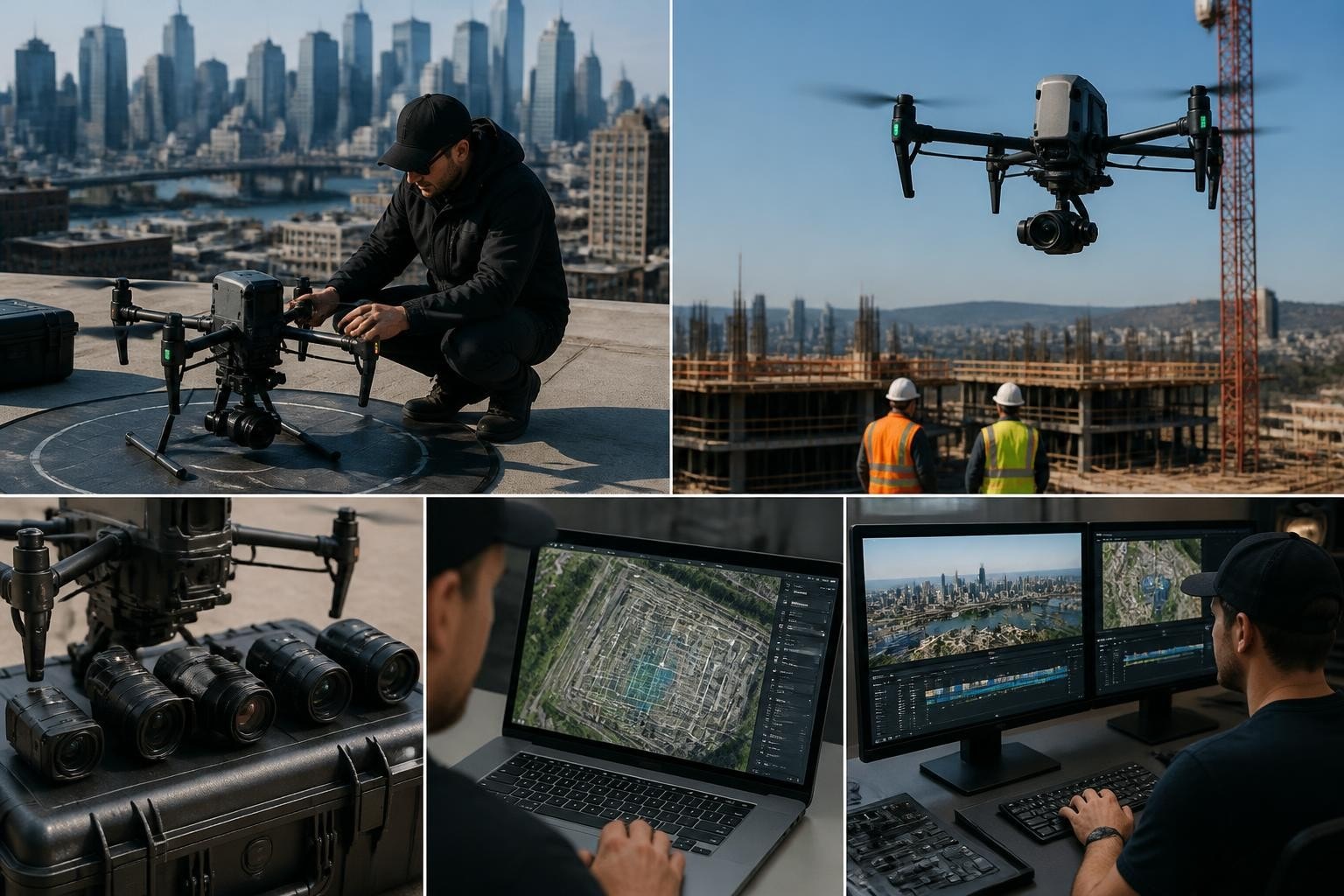
Between January and October 2025, we flew 18 missions capturing 900 stills and 3.2 hours of raw 6K footage. Post-processing included color grading to match the developer's brand palette, time-lapse assembly from monthly sequences, and annotation overlays showing completion percentages. The combined drone photography and video workflow replaced what previously required a helicopter twice per quarter at $2,400 per flight.
Why Drone Photography and Video Work Better Together
Most projects don't need just stills or just video. You need both, and flying separate missions doubles your cost and time. We configure each flight to capture high-resolution imagery for documentation and smooth video passes for stakeholder presentation. The Inspire 2 records 20MP stills in burst mode during flight-path setup, then switches to 6K CinemaDNG for controlled motion sequences. You get archival-quality photos for engineering review and cinematic clips for client meetings from one mobilization.
Aerial photography has evolved from static documentation to dynamic storytelling. In 2024, 68% of construction firms used drone photography and video for both quality control and marketing, up from 41% in 2022 (source: Associated General Contractors of America). The dual output matters because different audiences need different formats. Engineers want orthophotos they can measure. Executives want 90-second overviews. Investors want progress montages that show ROI visually.
We shoot raw when possible. CinemaDNG and Adobe DNG preserve maximum latitude for color correction under Arizona's harsh midday sun or Nevada's low-angle winter light. ProRes 422 HQ works when turnaround is tight and you need clean footage fast. For stills, we bracket exposures on high-contrast scenes: shadowed canyons, reflective glass facades, desert sites at noon. Post-processing aligns the image sets so engineers can toggle between exposures without re-measuring.
Flight Planning for Combined Capture
Planning determines whether you waste time repositioning or finish efficiently. We map flight paths that stack objectives: nadir passes for orthomosaics, oblique passes for 3D models, then cinematic moves for video. A typical construction site gets a grid pattern at 250 feet AGL for mapping, followed by orbital shots at 150 feet for hero angles, then slider-style reveals at 80 feet for video intros. Total flight time: 22 minutes. Total coverage: stills for CAD overlay and video for the next board meeting.
Field Note (Mark): We learned early that separating photo and video missions burns budget. Clients initially ask for "just mapping" or "just a quick flyover," then realize mid-project they need both. Now we propose combined missions up front. The Inspire 2 handles the workflow seamlessly, and clients get 30% more value per flight hour. We pre-plan the shot list, clear airspace once, and deliver everything in one package.
Battery math matters. The Inspire 2 runs 18-22 minutes per battery depending on payload and wind. We carry six batteries minimum and shoot the most critical angles first. If a surprise dust devil grounds us early, you still get the essential deliverables. We've flown 840+ missions since 2014 across Arizona and Nevada, and the pattern holds: plan for the worst case, execute the full list when conditions allow.
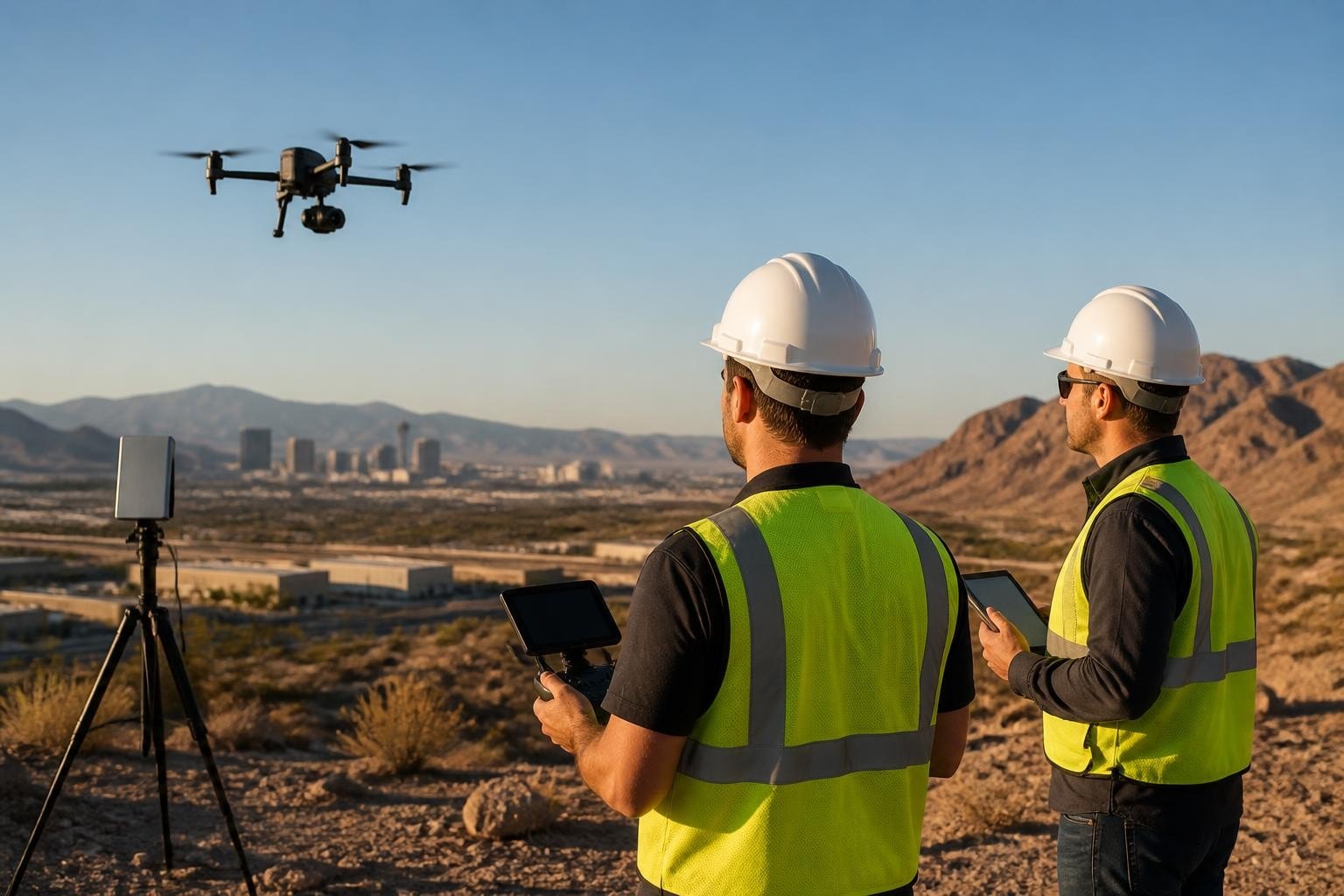
Airspace adds complexity but it's manageable. Scottsdale's Class D airspace required LAANC authorization processed 90 minutes before each flight. We filed through the FAA's automated system, received approval, and flew legally within the surface area. For sites near Phoenix Sky Harbor or Las Vegas McCarran, we coordinate with air traffic control directly. You don't get delays because we build clearance time into the schedule.
Equipment and Sensor Selection
Drone photography and video demand different sensors, and you can't optimize both with a single setup. We match the rig to the deliverable. The Inspire 2 with X7 handles narrative work and high-resolution stills. The Mavic 3 Enterprise covers site documentation when portability trumps cinematic quality. For FPV work, we fly custom-built quads with GoPro or naked action cams, trading resolution for proximity and speed.
Lens choice changes everything. The X7's 24mm prime (DL 24mm f/2.8) is our workhorse: wide enough for establishing shots, sharp enough for detail pulls, fast enough for low light. We swap to the 16mm when interiors or tight spaces demand it. For mapping, we mount fixed lenses and lock focus to infinity. For cinematic passes, we adjust aperture and ND filters to maintain 180-degree shutter at 24fps, keeping motion blur natural even under Nevada's brutal summer sun.
The prosumer drone category has closed the gap for many projects. The Mavic 3's Four Thirds sensor delivers 20MP stills and 5.1K video that cut cleanly into professional edits. We use it when access is restricted, setup time is zero, or the shot list is simple. The Inspire 2 deploys when you need interchangeable lenses, dual-operator control, or maximum image quality. Both platforms live in our kit, and we choose based on your constraints and output requirements.
Backup gear isn't optional. We arrive with redundant batteries, controllers, memory cards, and a second airframe. On a Las Vegas hotel shoot in August 2025, a motor ESC failed mid-flight. We landed safely, swapped to the backup Inspire, and resumed within 12 minutes. The production stayed on schedule, the client never saw a delay, and we delivered all 32 planned shots. That's the standard.
Post-Processing and Delivery Formats
Raw footage is just potential. We color grade to match your brand or the scene's natural palette, stabilize when needed (though gimbal work usually keeps it smooth), and edit to the story you need. For construction, that's often a simple chronological build: wide establishing shot, progress sequences, detail close-ups, final pull-out. For commercial real estate, it's lifestyle-driven: golden hour aerials, smooth reveals, human scale. For engineering, it's data-first: annotation overlays, measurement callouts, comparison sliders.
Stills get processed in Adobe Lightroom: lens correction, exposure balancing, perspective adjustment if we shot obliques. We deliver TIFFs for maximum flexibility or JPEGs when file size matters. For mapping projects, we deliver georeferenced outputs: orthomosaics, DSMs, point clouds compatible with AutoCAD Civil 3D and Bentley software. Surveyors and engineers get data they can import directly without format conversion.
Video deliverables vary by use case. YouTube and web embeds get H.264 MP4 at 1080p or 4K. Broadcast and film projects get ProRes 422 HQ or DNxHD depending on the editor's pipeline. We ask up front what NLE you're using and what codec you prefer. Turnaround is typically 5-7 business days for edited video, 48 hours for stills, same-day rush available when production schedules demand it.
Drone photography and video files are large. A single Scottsdale site visit generates 40GB of raw footage and stills. We deliver via Dropbox, Google Drive, or Frame.io depending on your workflow. Files stay organized: folder structure by date, location, and shot type. You get the hero edits ready to publish and the raw files for future re-cuts.
Real-World Applications Across Industries
Film and television productions use drone photography and video for establishing shots, chase sequences, and location scouts. We've worked on features, commercials, and episodic TV across Arizona and Nevada. Directors get pre-visualization footage during location scouts, then final cinematic aerials on shoot days. We coordinate with ground crews, match lighting conditions, and deliver footage that integrates seamlessly into the edit. Best practices for drone cinematography emphasize collaboration: we attend production meetings, understand the shot list, and communicate with the DP about camera movement and framing.
Construction and engineering firms need progress documentation that shows sequencing, identifies issues, and proves completion milestones. Monthly or bi-weekly flights create a visual record that protects all parties. When a subcontractor disputed concrete pour timing on a Phoenix warehouse project in 2024, our timestamped aerials confirmed the schedule. Dispute resolved in one meeting. For aerial mapping services, we deliver cut/fill volumes, stockpile measurements, and topographic models that feed directly into project management software.
Real estate marketing combines both formats. Brokers want hero stills for MLS listings and video tours for property websites. A single flight yields 20-30 stills covering all elevations plus a 60-second video walkthrough. Properties with drone photography and video sell 68% faster than listings with ground photos alone (source: National Association of Realtors, 2025). We shoot during golden hour when Arizona and Nevada light is warm and shadows add depth. Editing includes subtle motion graphics: property address, square footage, key features.
Inspection work demands precision over aesthetics. Thermal imaging combines visible-spectrum video with infrared data to identify heat loss, moisture intrusion, or electrical faults. Solar farms, rooftops, and industrial facilities get both outputs: normal video for general assessment and thermal overlays for anomaly detection. We've flown hundreds of solar panel inspections across Arizona and Nevada, delivering annotated reports that maintenance teams use for targeted repairs.
Regulations and Operational Standards
Every commercial drone photography and video mission in the United States operates under FAA Part 107. Our pilots hold current certifications, complete recurrent training, and follow airspace rules without exception. We file LAANC requests for controlled airspace, coordinate with air traffic control when required, and maintain visual line of sight unless we've secured a waiver. The regulations exist to keep manned and unmanned aircraft separated, and we follow them on every flight.
Airspace classification determines workflow. Class G (uncontrolled) allows immediate operations up to 400 feet AGL. Class D and E require authorization. Class B and C typically need direct ATC coordination. We've flown legally in all classes across Arizona and Nevada by planning ahead and understanding local procedures. The FAA's regulatory framework continues to evolve, and we stay current through industry associations and direct FAA guidance.
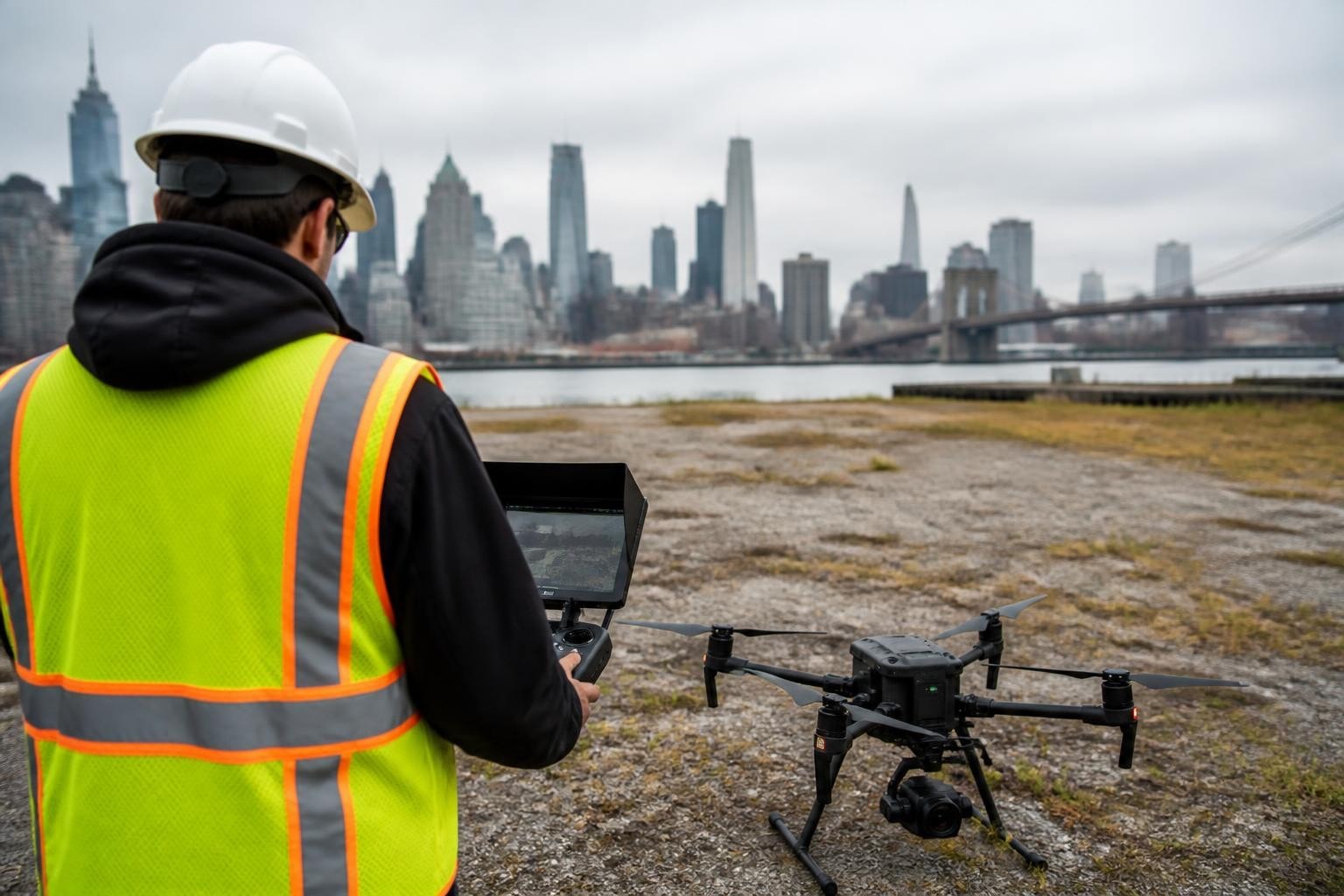
Safety protocols are non-negotiable. Pre-flight checks cover airframe, batteries, GPS lock, gimbal calibration, and control responsiveness. We assess weather (wind, visibility, precipitation), scan for obstacles (power lines, towers, construction cranes), and establish a sterile flight zone. On active construction sites, we coordinate with site supervisors to ensure ground personnel know we're operating overhead. When flying near Las Vegas or Phoenix urban areas, we monitor NOTAM updates for temporary flight restrictions.
Insurance and permits matter. We carry $5 million general liability and hull coverage. Some projects require additional named insured endorsements, and we process those within 48 hours. Filming permits vary by jurisdiction: City of Phoenix requires permits for commercial work in public parks, Clark County has separate rules for unincorporated areas, and private property requires landowner authorization. We handle the paperwork so your project stays compliant and on schedule.
Optimizing Results Through Workflow Integration
Successful drone photography and video projects start before the flight. We schedule a scout call or site visit to understand your objectives, assess constraints, and recommend the best approach. You tell us what the footage needs to accomplish, and we translate that into flight paths, sensor choices, and post-processing deliverables. Pre-production planning eliminates surprises and keeps budgets predictable.
Communication during the shoot keeps everyone aligned. For construction sites, we coordinate with superintendents on timing and access. For film productions, we sync with the AD and DP on shot sequencing. For real estate, we confirm lighting conditions and schedule around showings. You get updates throughout the mission: weather hold, flight complete, uploading files. No black holes, no guessing.
Post-production review ensures you get exactly what you need. We deliver a rough cut or proof set, you provide feedback, and we refine. Revisions are included in the base quote for most projects. If scope expands (you need 15 additional shots or a second edited version), we adjust the quote transparently. The goal is delivery that matches your vision without endless rounds of tweaking.
Archival and reuse extend the value. Raw files stay accessible for 90 days post-delivery, and we can store them longer on request. Clients often return months later needing a re-edit for a new campaign or additional stills pulled from video frames. Because we shoot raw and organize meticulously, those requests turn around in hours, not days. Research into aesthetic quality assessment for UAV videos shows that properly captured and archived drone footage maintains commercial value far beyond the initial project.
Scaling Across Multi-Site and Long-Term Projects
Large projects demand consistency. The Scottsdale developer needed identical framing across three sites so quarterly comparisons showed true progress, not just different camera angles. We established reference points at each location, saved GPS waypoints, and repeated the same flight paths every two weeks. Frame-to-frame alignment allowed the client to create time-lapse sequences that compressed six months into 90 seconds. Investors saw the build unfold at 10X speed with zero guesswork.
Volume pricing makes sense for ongoing work. A Phoenix engineering firm contracts us for 12 flights per year across multiple projects. They get priority scheduling, volume discounts, and a dedicated project manager who knows their deliverable preferences. We store their flight templates, brand guidelines, and preferred output formats. Each new mission launches faster because setup is already done. That efficiency saves time and cost on both sides.
Geographic coverage across Arizona and Nevada allows single-vendor simplicity. One client manages properties in Phoenix, Tucson, Flagstaff, Las Vegas, and Reno. Instead of coordinating five local vendors, they call us. We mobilize to any location, maintain consistent quality, and deliver through one channel. The administrative overhead drops, and the visual output stays uniform across all markets.
Data integration completes the workflow. Construction teams import our orthomosaics into Procore or Autodesk BIM 360. Engineers overlay our topographic data onto existing CAD drawings. Marketing departments pull hero stills and video clips into brand asset libraries. When deliverables integrate cleanly into your existing tools, drone photography and video become part of the process, not a special one-off event.
Common Challenges and Practical Solutions
Weather delays happen, especially in Arizona's monsoon season and Nevada's winter wind. We monitor conditions up to flight time and make go/no-go calls based on safety and quality. If wind exceeds 25 mph or visibility drops below 3 miles, we reschedule. Clients appreciate candor: a delayed flight beats shaky footage or a damaged airframe. We build buffer days into multi-day shoots and offer flexible rescheduling at no penalty.
Airspace surprises occur when temporary flight restrictions pop up. Presidential visits, wildfires, and sporting events can close airspace with little notice. We check NOTAM updates daily leading up to the flight and maintain backup dates when possible. On a Las Vegas Strip shoot in March 2025, a TFR appeared 48 hours before our scheduled flight. We shifted to an alternate location, secured LAANC for the new site, and delivered the full shot list without impacting the client's timeline.
Client expectations sometimes exceed budget or physics. You can't legally fly a drone inside a stadium during an event, over crowds without a waiver, or beyond visual line of sight without FAA authorization. We explain limitations up front and offer alternatives. Want an interior flythrough? We rig an FPV quad with a spotter and coordinate with facility management. Need crowd aerials? We position outside the restricted zone and use telephoto lenses. The open-source ecosystem for drone technology continues to expand operational possibilities, but regulations and safety remain primary constraints.
File management grows complex on large projects. A three-month construction documentation contract generates 500GB of footage and stills. We organize files by date, location, and deliverable type. Naming conventions are consistent and searchable. Cloud storage links stay active for 90 days, and we archive everything locally for six months. If you need a specific frame from Flight 14, we find it in minutes, not hours.
Measuring Success and ROI
Effective drone photography and video delivers measurable outcomes. The Scottsdale developer reduced site visits by 40%, saving approximately $18,000 in travel time and vehicle costs over eight months. Investor presentations improved: quarterly meetings ran 25% shorter because video sequences explained progress faster than verbal reports. Leasing velocity increased as prospective tenants viewed time-lapse build sequences and understood delivery timelines confidently.
Marketing teams track engagement metrics. Properties listed with drone photography and video receive 3.2X more online views than ground-only listings (source: National Association of Realtors, 2025). Social media posts featuring aerial content generate 87% higher engagement rates. One Phoenix brokerage reported a 22% increase in showing requests after adding drone video tours to their listings. The creative impact of drone footage is recognized globally, as seen in platforms like Dronestagram, which highlight compelling aerial imagery.
Engineering firms measure ROI through time saved and disputes avoided. Accurate as-built documentation from drone photography and video reduces rework by catching discrepancies early. One Nevada civil contractor identified a 12-foot elevation error in grading work through our orthomosaic, correcting it before pouring foundations. Avoiding that rework saved an estimated $47,000 and two weeks of schedule delay. The data doesn't lie, and photographic proof ends arguments fast.
Production value matters for film and TV. Directors pay for drone photography and video because it delivers shots impossible from cranes or helicopters at a fraction of the cost. A 30-second aerial establishing shot that once required a $15,000 helicopter charter now costs $1,200 with a drone. You get more takes, tighter coordination, and faster turnaround. The budget savings redirect to other production needs, and the visual impact stays identical or better.
Frequently Asked Questions
What's the typical turnaround time for drone photography and video deliverables? We deliver edited stills within 48 hours and finished video within 5-7 business days for most projects. Rush service is available when production schedules demand same-day or next-day delivery. Raw files transfer immediately after flight if you need unedited footage for quick review.
Can you fly drone photography and video missions in controlled airspace near airports? Yes. We secure LAANC authorization for Class D and E airspace and coordinate directly with air traffic control for Class B and C operations. Phoenix Sky Harbor, Las Vegas McCarran, and other airports have established procedures. We build clearance time into the schedule so airspace never delays your project.
How do weather conditions in Arizona and Nevada affect drone photography and video quality? Arizona's intense sunlight and Nevada's variable wind require equipment adjustments. We use ND filters to control exposure, bracket shots in high-contrast scenes, and monitor wind forecasts closely. Flights typically occur during early morning or late afternoon golden hour for optimal lighting. Monsoon season and winter wind may require flexible scheduling.
What's included in your drone photography and video packages? Packages include flight planning, airspace clearance, on-site capture, post-processing, and delivery in your preferred format. Stills come color-corrected and perspective-adjusted. Video includes editing, color grading, and output to your codec specifications. Revisions, additional edits, and rush delivery adjust pricing based on scope.
Do you provide both drone photography and video in a single flight, or are they separate services? We combine both in one mission whenever possible. The workflow captures high-resolution stills and smooth video sequences during the same flight, maximizing efficiency and reducing cost. You get comprehensive coverage without multiple mobilizations or duplicated travel expenses.
Drone photography and video deliver visual proof, marketing impact, and measurable outcomes when executed with the right equipment and planning. Whether you're tracking construction progress, marketing properties, or capturing cinematic footage for film production, combined capture workflows provide maximum value per flight. Since 2014, Extreme Aerial Productions has flown hundreds of missions across Arizona and Nevada, delivering stills and video that integrate cleanly into your projects. We handle airspace, plan efficient flight paths, and deliver exactly what you need on time. Request a quote or schedule a scout call, and we'll lock the plan, the gear, and the date.
Comments