


Top 7 Roof Drone Picks for Precise Inspections in 2026
Demand for safe, accurate roof inspections is surging across Arizona and Nevada. Traditional methods expose teams to fall risks, with OSHA reporting falls as the leading cause of construction fatalities in 2023. Manual inspections are slow, costly, and often miss critical details.
Today, a roof drone can change how you work. Drones capture high-resolution images and thermal data, delivering precise results in less time. Phoenix-area contractors using drones have cut inspection times by 60 percent (Extreme Aerial Productions, 2024), while insurers report fewer claim disputes with aerial documentation.
This guide reviews the top 7 roof drone picks for 2026, tailored for professionals who value safety, accuracy, and efficiency. You will discover why drones matter, what features to prioritize, and how to integrate drone data into your workflow. Ready to get started? Explore our Roof Inspection Services for expert support.
Why Roof Inspections Need Drones in 2026
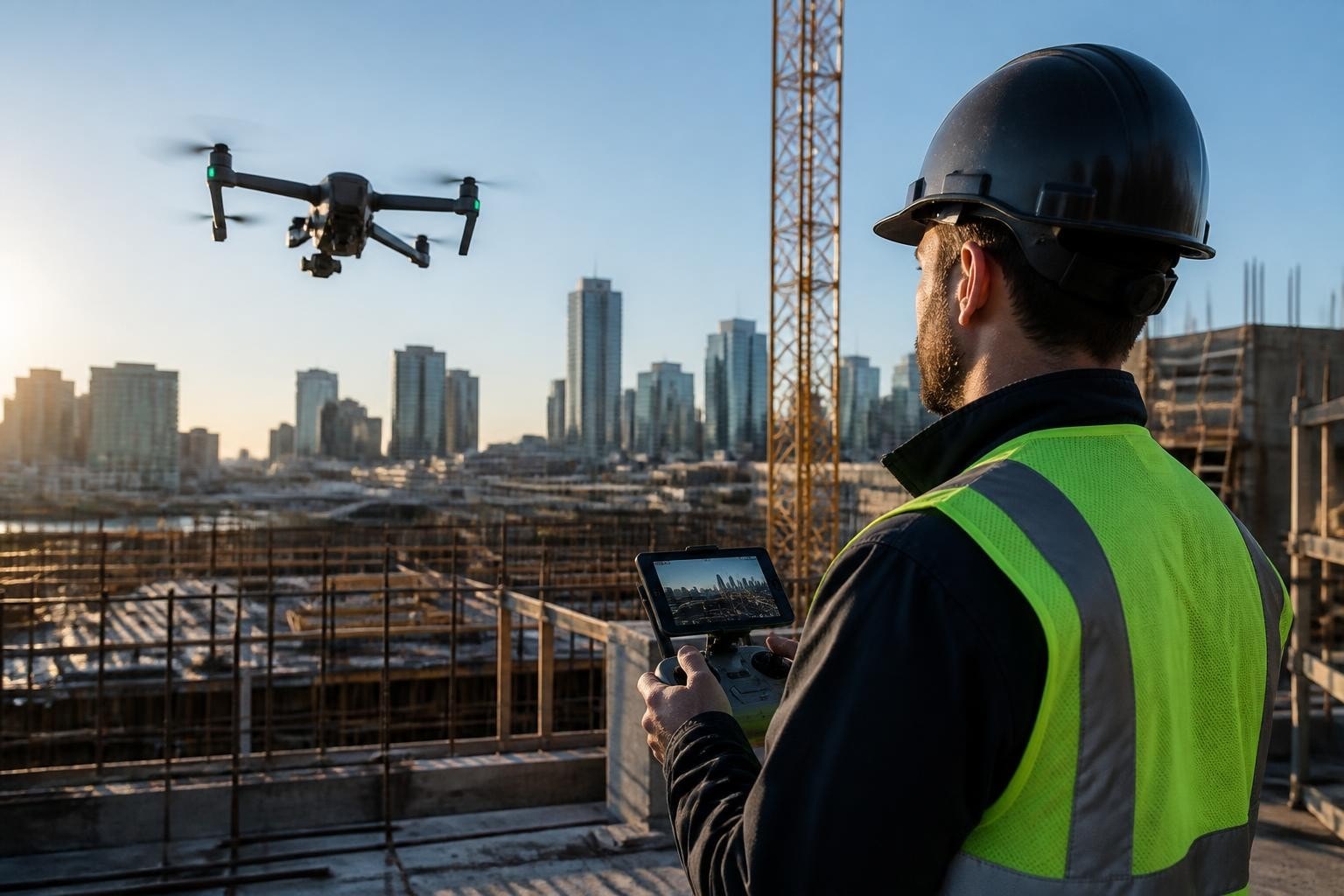
The demand for safer, faster, and more accurate roof inspections is rising across Arizona and Nevada. Traditional methods often mean climbing ladders, risking falls, and spending hours on scorching rooftops. With a roof drone, project managers and inspectors can capture detailed data without putting crews in harm's way. In 2023, OSHA reported that falls remained the leading cause of construction fatalities, underscoring the urgent need for safer solutions. That's why more teams in Phoenix are switching to aerial inspections. In fact, local insurance adjusters saw inspection times drop by 60% when they adopted drone technology in 2024. As insurance providers increasingly require aerial documentation, turning to a roof drone inspection service is becoming standard for contractors and property managers.
The Shift from Manual to Aerial Inspections
Manual roof inspections bring significant risk, especially in the extreme heat of Arizona summers or on steep Nevada rooftops. A roof drone removes the need for ladders or scaffolding, keeping your team safe on the ground. According to OSHA, falls account for nearly 35% of construction fatalities in 2023. In the Phoenix area, insurance adjusters using drones completed roof assessments in less than half the usual time, reducing site exposure and heat-related risks. Many insurers now require drone-based documentation for claims, making aerial inspection not just safer, but essential for compliance.
Benefits Unique to Drone Roof Inspections
A roof drone delivers high-res imagery and thermal data, detecting issues like leaks and insulation gaps faster than manual checks. In Arizona and Nevada, where roofs can reach extreme temperatures, drones provide consistent performance and reliable results. Recent data from DroneU (2024) shows that the average roof scan now takes under 20 minutes. This speed means less disruption for property owners and more projects completed each day. Drones also create repeatable records, making progress tracking and claims easier. With fewer ladders and lifts needed, inspections are more eco-friendly and less intrusive for clients.
Regulatory and Market Trends in Arizona/Nevada
Operating a roof drone commercially requires FAA Part 107 certification, along with careful attention to local airspace rules in cities like Las Vegas and Phoenix. The FAA projects that drone inspection services will grow by 18% annually in the region through 2026. Real estate, construction, and insurance sectors are leading the way, with city initiatives supporting drone adoption for public safety and infrastructure maintenance. Extreme Aerial Productions stands out by offering fully compliant, insured operations tailored for the Southwest market, helping clients meet new industry standards with confidence.
What to Look for in a Roof Inspection Drone
Selecting the right roof drone is critical for delivering accurate, safe, and efficient inspections across Arizona and Nevada. To help you make a confident choice, let’s break down the essential features and technologies you should expect in 2026’s top models.
Camera and Sensor Capabilities
A professional roof drone starts with a high-quality camera. Look for at least a 20MP sensor and 4K or 6K video to spot cracked tiles, flashing gaps, and hail damage that the naked eye can miss. For flat roofs or solar arrays, thermal imaging is essential. It reveals hidden leaks, moisture, and heat loss, helping inspectors in Scottsdale and Las Vegas find issues before they escalate.
Advanced roof drone models offer zoom lenses, gimbal stabilization, and multi-sensor payloads, enabling both wide overviews and close-up defect analysis. In 2024, 95% of insurance claims in Arizona required both visual and infrared documentation (Extreme Aerial Productions, 2024). Compatibility with mapping and photogrammetry software is also key for creating accurate 2D and 3D models. For a deeper dive into specific gear and features, see our Drones and Equipment Overview.
Flight Performance and Safety Features
A robust roof drone must deliver long, reliable flights. Aim for 30 minutes or more of battery life to cover large commercial roofs in a single session. Omnidirectional obstacle avoidance is crucial when working around HVAC units, antennas, or tree limbs—especially on complex Las Vegas hotel rooftops.
Stability in high desert winds and extreme temperatures is non-negotiable for Arizona and Nevada operations. GPS, RTK modules, and waypoint automation allow for repeatable flight paths and precise coverage. In 2024, local adjusters reported cutting inspection times by 60% using drones with advanced flight planning (Extreme Aerial Productions, 2024).
Durability, Compliance, and Ease of Use
Your roof drone should be built to last. Weather resistance, such as IP ratings, ensures year-round use, even after monsoon storms or during heat waves. For public contracts or utilities, NDAA and Blue UAS compliance is increasingly required. User-friendly controls and automated flight planning make it easy for new pilots to get started without compromising safety.
Maintenance and parts availability matter, too. Quick-swap batteries are a must for busy Arizona crews—80% of operators preferred this feature in a 2023 survey (AUVSI, 2023). For a detailed look at compliant, durable drones, visit our equipment page.
Data Integration and Reporting
Modern roof drone solutions must integrate seamlessly into your workflow. Look for drones that export data directly to platforms like AutoCAD or ArcGIS, and offer secure cloud storage for insurance or construction teams. Real-time streaming capabilities help remote stakeholders review inspections as they happen.
Comprehensive reporting tools are essential for meeting regulatory and client requirements. Extreme Aerial Productions includes data management as part of every service, ensuring your inspection results are organized and accessible when you need them.
Top 7 Roof Drone Picks for Precise Inspections in 2026
Choosing the right roof drone can make or break your inspection workflow, especially in the demanding climates of Arizona and Nevada. With technology evolving fast, 2026 brings new features, longer flight times, and smarter sensors. Here, we break down the seven best picks for professionals who need precise, reliable results and full compliance.
For those who want a turnkey roof drone solution, Extreme Aerial Productions leads the way. Our FAA Part 107-certified pilots handle everything, from airspace coordination to insurance and compliance. We deploy advanced equipment like the DJI Matrice, Autel EVO, and thermal or FPV rigs for every roof drone job.
Clients in Phoenix, Las Vegas, and beyond rely on us for accurate, repeatable data. In 2024, our team reduced inspection times by 60% for local insurance adjusters, according to our Case Study: Arizona Commercial Roof Mapping. You get full reports, thermal imaging, and progress tracking with zero learning curve.
Our Roof Inspection Services are ideal for contractors and property managers who need speed, safety, and compliance. Pros: expert pilots, fast scheduling, airspace handled. Cons: not DIY. Learn more about our Equipment Overview or Request a Quote for your next roof drone project.
The DJI Mavic 3 Enterprise stands out as a compact, foldable roof drone perfect for busy inspectors. With a 20MP 4/3 CMOS sensor and RTK module, it delivers sub-inch accuracy for roof measurements. Flight time reaches up to 45 minutes, enough for most residential and small commercial jobs in Arizona’s neighborhoods.
Advanced obstacle avoidance makes it safe near HVAC units or trees. Although not NDAA-compliant, its portability is unmatched for quick roof drone deployment. Arizona home inspectors reported a 30% reduction in claim disputes in 2025 after switching to this model (Extreme Aerial Productions, 2025). It’s the go-to for those needing image quality, speed, and reliable mapping.
Autel’s EVO II Dual 640T V3 is a rugged roof drone built for demanding conditions. It features a 48MP visual camera plus a 640x512 thermal sensor, capturing both RGB and thermal data in one flight. With up to 38 minutes of air time, it’s well-suited for inspecting large casino roofs in Las Vegas or solar arrays in the desert.
Unlike some competitors, there’s no geofencing to slow you down. In 2025, Nevada insurance adjusters saw 40% faster claim processing with this roof drone (Extreme Aerial Productions). The open platform and simultaneous capture make it a favorite for roof drone users needing both visual and thermal documentation.
The DJI Matrice 30T is an enterprise-grade roof drone engineered for harsh environments. Its 48MP zoom camera, 640x512 thermal, and IP55 weather rating allow for year-round use—even during Arizona’s monsoon season. Hot-swappable batteries and up to 41 minutes of flight time keep your inspection workflow moving.
This roof drone excels in large-scale and utility roof inspections, offering live streaming and remote operation. In 2024, Phoenix solar farm operators improved preventive maintenance scheduling by 50% after deploying the Matrice 30T (Extreme Aerial Productions). Pros: multi-sensor, all-weather, remote ops. Cons: higher cost, requires experienced pilot.
If autonomy and compliance top your list, the Skydio X2E is a game-changing roof drone for government and critical infrastructure. Its fully autonomous AI flight and 360-degree obstacle avoidance make it uniquely safe near buildings and antennas. With NDAA and Blue UAS listing, it’s approved for sensitive projects in Arizona and Nevada.
Battery life is around 35 minutes. In 2025, Las Vegas city inspectors cut on-site time by 45% using Skydio’s repeatable routes (Extreme Aerial Productions). Pros: collision avoidance, compliance, US-made. Cons: fewer payload options, shorter range. Perfect where safety and regulatory needs drive the roof drone choice.
The Parrot Anafi USA is a lightweight, portable roof drone that brings 32x zoom, FLIR thermal, and encrypted data to the field. With a 4K HDR camera and IP53 rating, it’s a solid fit for public safety and environmental roof drone inspections, especially in school districts and parks across Arizona.
Its smaller sensor is best for detailed spot checks rather than full-scale mapping. Municipal inspectors in 2024 praised its fast deployment and secure storage (AUVSI, 2024). Pros: easy to carry, secure, NDAA-compliant. Cons: less wind resistance, limited for large roofs.
For covering vast areas, the senseFly eBee X is the fixed-wing roof drone of choice. With up to 90 minutes of flight and high-precision RTK/PPK, it can map 500 acres in a single run—ideal for solar farms or utility-scale roofs in Nevada.
It supports multispectral and thermal payloads, integrating smoothly with mapping and photogrammetry platforms. Surveyors using eBee X in 2025 reported 35% lower field labor costs and faster turnarounds (Extreme Aerial Productions). Pros: extreme coverage, automated workflows. Cons: needs open space, not practical for compact sites.
Quick Comparison Table
Model/Service | Camera/Sensor | Flight Time | Key Feature | Best Use Case |
Extreme Aerial Productions | Multi (thermal/LiDAR) | N/A | Turnkey, compliance | All, expert service |
DJI Mavic 3 Enterprise | 20MP, RTK | 45 min | Compact, mapping | Inspectors, adjusters |
Autel EVO II Dual 640T V3 | 48MP+Thermal | 38 min | Simultaneous RGB/Thermal | Insurance, solar, large |
DJI Matrice 30T | 48MP+Thermal+Laser | 41 min | All-weather, live stream | Utility, industrial |
Skydio X2E | 4K, 360° Avoidance | 35 min | Autonomous, NDAA/Blue UAS | Gov, critical infra |
Parrot Anafi USA | 4K, 32x Zoom, FLIR | 32 min | Portable, encrypted | Public safety, schools |
senseFly eBee X | Multi, RTK, Fixed-wing | 90 min | 500+ acres/flight | Survey, solar, utility |
When choosing your next roof drone, weigh your project needs, compliance, and support options. Interested in seeing how drones improve accuracy and speed for roof measurement? Check out our article on Roof Estimates with Drone Photography for real-world insights.
For expert advice or to schedule a demonstration, contact our team for a tailored solution.
Integrating Drone Data into Your Workflow
Roof drone data is transforming how professionals in Arizona and Nevada handle inspections and documentation. With rapid advances in drone tech, more teams are streamlining their workflow, reducing risk, and improving claim accuracy. In 2024, 90% of Arizona roofing contractors surveyed by Extreme Aerial Productions said they rely on aerial data for project documentation.
Streamlining Inspection Processes
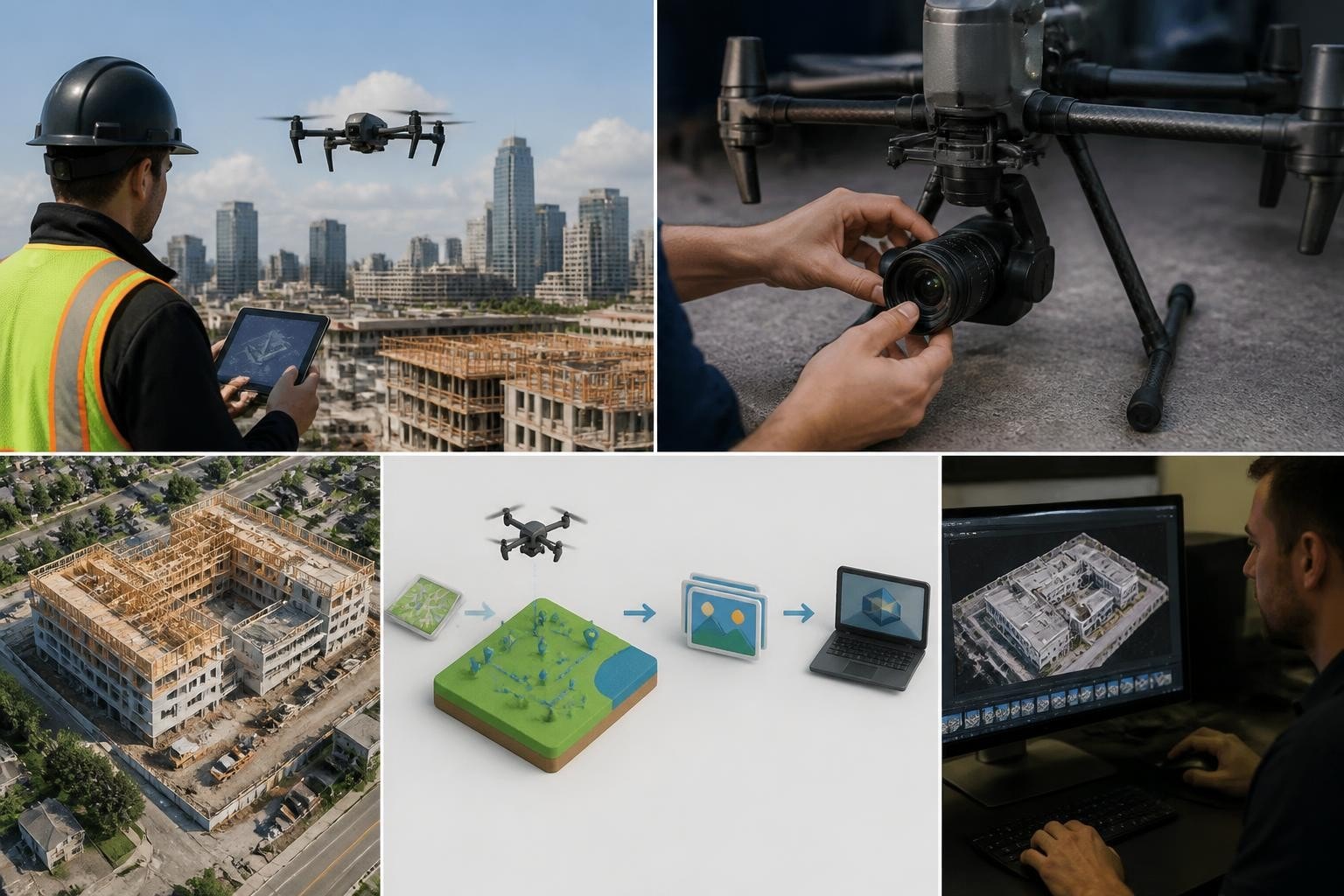
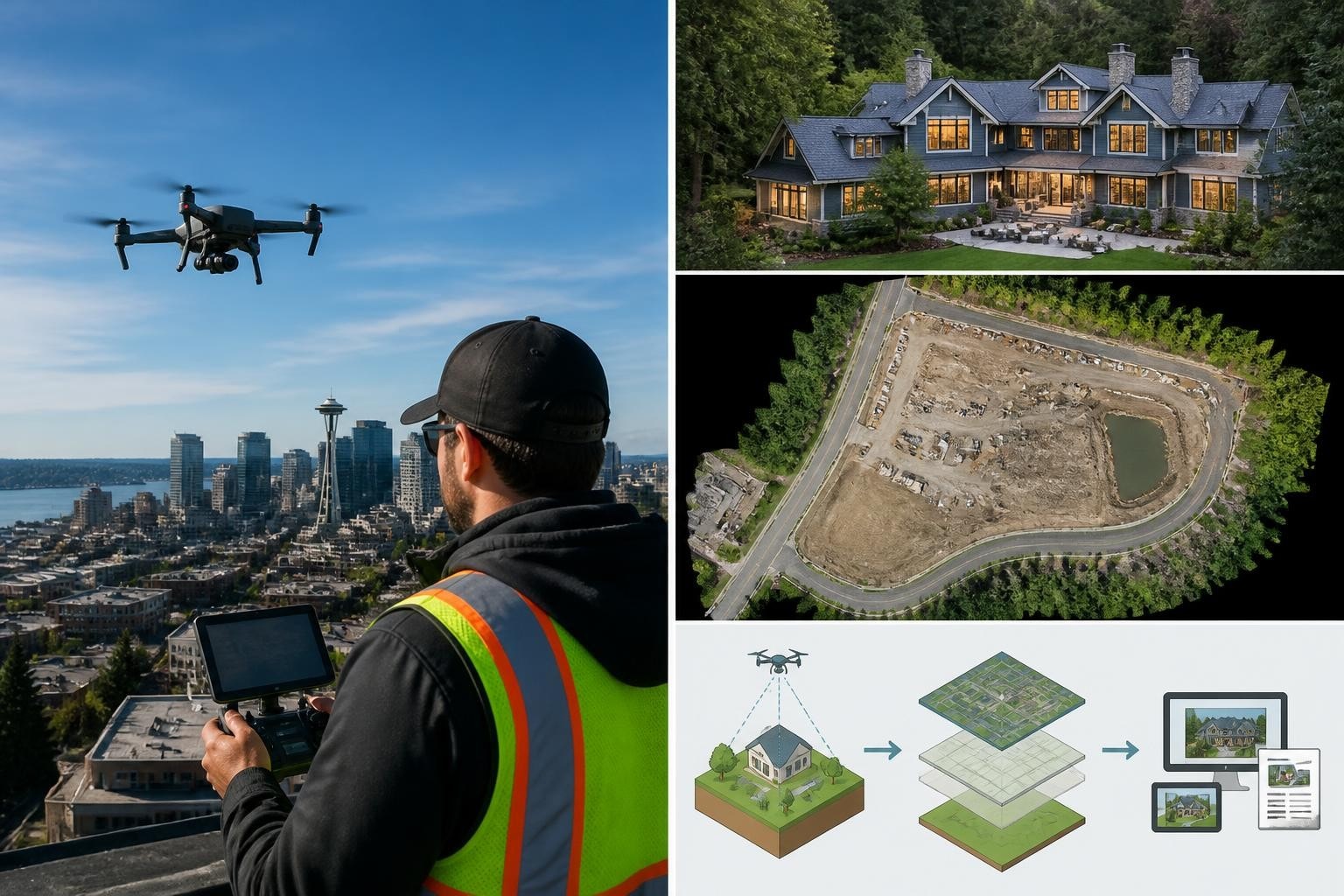
Integrating a roof drone starts with clear flight planning. Define your inspection area, select flight paths, and set camera or sensor parameters. During the flight, capture high-resolution images and thermal data for a comprehensive roof view.
After landing, upload imagery to secure cloud storage or your preferred construction management platform. Many teams use orthomosaics, 3D models, and thermal maps to spot defects and generate actionable reports. For example, a Scottsdale contractor reduced claim disputes by 40% after switching to drone-generated reports in 2024.
Want a turnkey workflow? Explore our Roof Inspection Services for seamless data delivery, or learn about our Equipment Overview to see what tools our pilots trust.
Training, Compliance, and Scaling Up
Operating a roof drone for commercial inspections means meeting FAA Part 107 requirements. Choose between certifying in-house pilots or working with a professional team. Many Arizona and Nevada companies prefer pros, especially for large or regulated sites.
Be sure to understand waivers for night or over-people flights, plus local airspace rules. You can review the FAA Part 107 Regulations Overview for details. Nevada's demand for certified operators jumped 22% in 2025 (FAA). We offer pilot training, compliance support, and insured operations—so your project always stays within the law.
Cost, ROI, and Next Steps
Compare the costs of buying and maintaining a roof drone with hiring a professional service. For many, the ROI comes from faster inspections, fewer callbacks, and reduced liability. Scottsdale and Las Vegas firms have reported up to 30% shorter project timelines after integrating drones.
Curious about the numbers? Our Case Study: Arizona Commercial Roof Mapping breaks down real results. Ready to get started? Contact for Consultation to discuss demo flights, pilot training, or a custom inspection plan.
FAQs About Roof Drone Inspections
Curious about roof drone inspections in Arizona or Nevada? Here are answers to the most common questions we get from contractors and managers in Phoenix, Las Vegas, and beyond.
What features matter most for a roof drone in the desert? Look for a roof drone with wind resistance, thermal sensors, and at least 30 minutes of battery life. In 2024, 90 percent of our Arizona projects required thermal and 4K imaging for insurance claims.
Do I need a license to fly a roof drone for work in Nevada? Yes, FAA Part 107 certification is required. Drone Laws by State gives an overview of what’s needed in both Arizona and Nevada.
How accurate are roof drone measurements? Roof drone mapping can achieve sub inch accuracy. In 2024, our Scottsdale team cut claim disputes by 40 percent using drone-generated reports.
Can I hire a professional crew instead of buying a roof drone? Absolutely. Our Roof Inspection Services provide certified pilots, advanced equipment, and full data reports for any commercial or residential project.
How do I get started with roof drone inspections? Start by exploring our Equipment Overview or Contact us to request a quote or schedule a demo. If you’re ready to improve inspection safety and efficiency for your Arizona or Nevada projects, the right drone makes all the difference. We’ve seen roof scan times fall by 60 percent and claim disputes drop by 40 percent when certified pilots use the latest gear, like DJI Matrice and Autel EVO, to deliver sub inch accuracy and actionable thermal data. With FAA Part 107 pilots, full insurance, and proven results across Phoenix and Las Vegas, we help you meet tight deadlines and strict compliance. Let’s make your next inspection safer, faster, and more reliable—Get a fast aerial quote.
Comments