


Video de Drone: Pro Aerials for AZ/NV Projects | Extreme Aerial
When a Phoenix production company needed 90 seconds of establishing shots for a national car commercial in March 2026, they reached us with a tight turnaround and a specific mood board. The client wanted clean, cinematic footage that matched their director's vision, locked in three days, with no room for reshoots. We delivered six usable clips, four of which made the final cut, on a DJI Inspire 3 with X9-8K gimbal. The video de drone work wrapped in one morning, the editor had files that afternoon, and the spot aired two weeks later. That outcome reflects the reality of professional aerial video: you need crews who understand the production workflow, not just how to fly.
What Makes Video de Drone Different From Standard Aerial Footage
Video de drone is simply Spanish for drone video, but the term often appears in searches from clients looking for high-quality aerial cinematography rather than hobbyist clips. The distinction matters. Professional video de drone services involve flight planning, camera selection, codec matching, and delivery timelines that align with your post-production schedule. You also get coordinated moves, consistent lighting windows, and fallback plans when weather shifts.
We base our video de drone approach on repeat moves and clean integration. When you hire us for aerials, we ask what editing system you use, what codec your post house prefers, and whether you need ProRes, H.265, or raw. We also confirm your aspect ratio, frame rate, and delivery method before launch. That prep eliminates surprises in the edit bay and keeps your project moving.
Project Snapshot: Commercial Spot in Scottsdale
Location: Scottsdale, Arizona (urban corridor, Class D airspace)
Industry: Advertising / automotive
Deliverables: Six establishing shots, 4K ProRes 422 HQ, 23.976 fps
Drone / sensor: DJI Inspire 3, Zenmuse X9-8K gimbal
Turnaround: Files delivered same day via secure link
Constraints: Single three-hour window (sunrise only), coordination with Scottsdale Airport tower, matching director's shot list
Airspace: Coordinated LAANC authorization for operations below 200 feet AGL
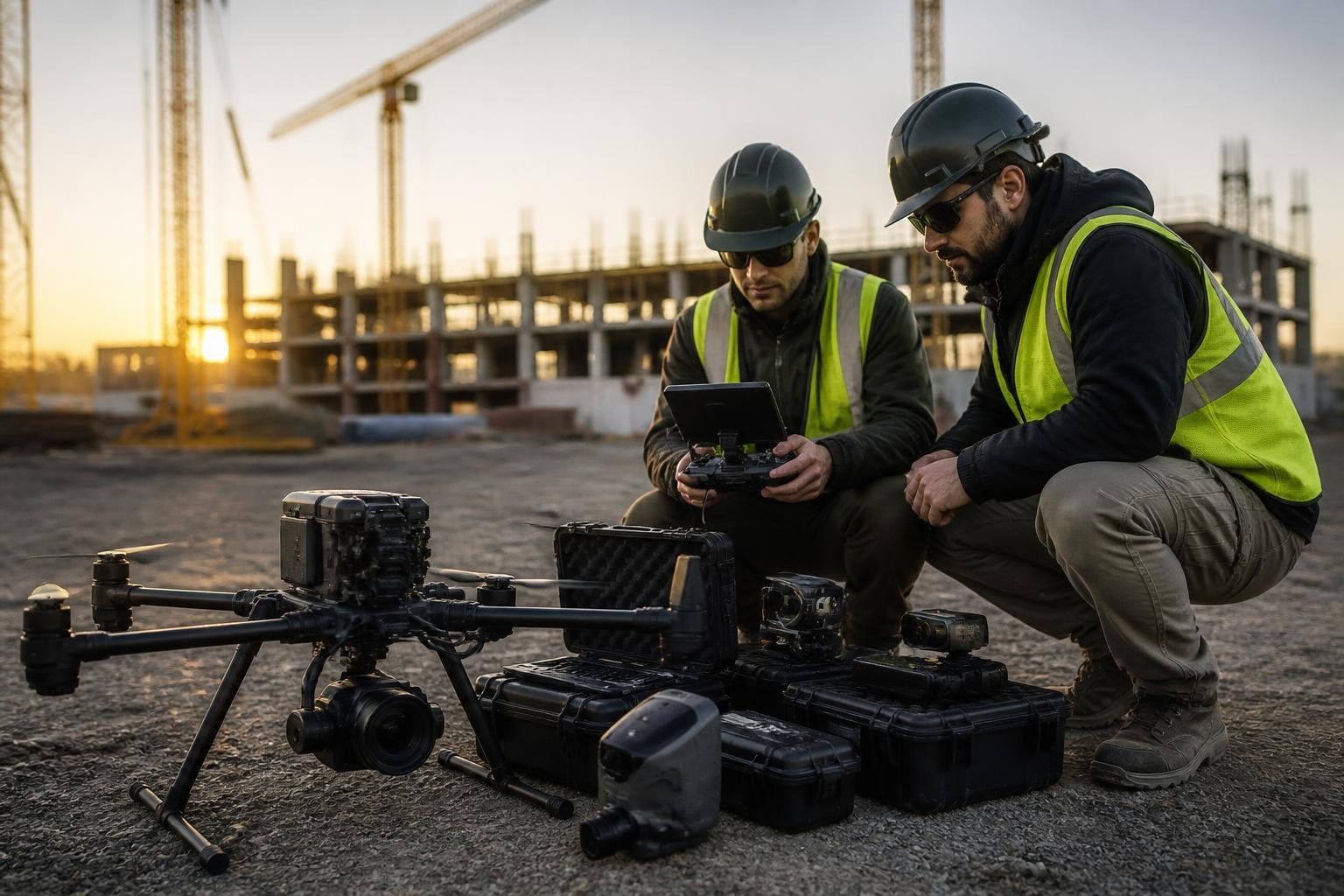
The client needed golden-hour light and specific camera angles that required precise GPS waypoints. We programmed five flight paths the night before, verified battery count, and staged two Inspire 3 airframes as backup. On site at 05:45, we flew the first sequence at 06:20 and wrapped by 08:00. Files transferred to the editor by 11:00. The production stayed on schedule, and the director got exactly what the storyboard called for.
Choosing the Right Gear for Video de Drone Projects
Not every video de drone project needs the same camera or airframe. We match the rig to your deliverables, budget, and conditions. Larger sensors and higher bitrates matter when your footage will be color graded, screened theatrically, or mixed with RED or ARRI footage. Smaller, nimble platforms work better for tight interiors, fast-moving talent, or FPV shots that require agility over resolution.
Platform | Sensor size | Best use case | Typical client |
DJI Inspire 3 | Full-frame (X9-8K) | Cinematic hero shots, commercials, feature film B-roll | Film/TV production, agencies |
DJI Mavic 3 Cine | Four Thirds | Corporate video, real estate tours, fast turnarounds | Marketing teams, real estate brokers |
Custom FPV rig | GoPro or micro four thirds | Dynamic tracking, interiors, chase sequences | Action sports, music videos, documentaries |
We also carry backup batteries, ND filter sets, and spare props on every shoot. That redundancy paid off on a Las Vegas music video in January 2026, when dust kicked up by wind forced us to swap airframes mid-shoot. The second Inspire 3 went up with a fresh ND16 filter, and we completed the remaining shots without delay.
Codec and frame rate selection drive post-production efficiency. Most clients request ProRes 422 HQ or DNxHR for seamless timeline integration. When you're cutting drone aerials into a Premiere or Resolve project alongside other cameras, matching codecs eliminates transcoding delays. We also shoot HLG or D-Log depending on your grading workflow, and we deliver LUTs when requested.
For a deeper look at our fleet and sensor options, check our full drone equipment breakdown. You'll see specs, sample footage formats, and which rigs we recommend for different industries.
Planning Effective Video de Drone Shots
Effective aerial video starts with a shot list and ends with a file transfer. In between, you need flight paths that hit your marks, lighting that matches your look, and contingency time when the wind gusts or a restricted area pops up on the chart. We walk through each step with clients during pre-production calls, often sharing reference stills or sample clips to confirm the mood.
Our Standard Video de Drone Workflow
Pre-production call: Review shot list, confirm codec, discuss lighting and backup dates.
Airspace check: File LAANC or request waivers if operating near airports or in controlled airspace.
Site scout (optional): Visit location, identify launch points, confirm sightlines and obstacles.
Flight day: Arrive early, verify weather, execute shot list with redundant gear onsite.
Delivery: Transfer files via secure link or hard drive, include camera reports and GPS logs if requested.
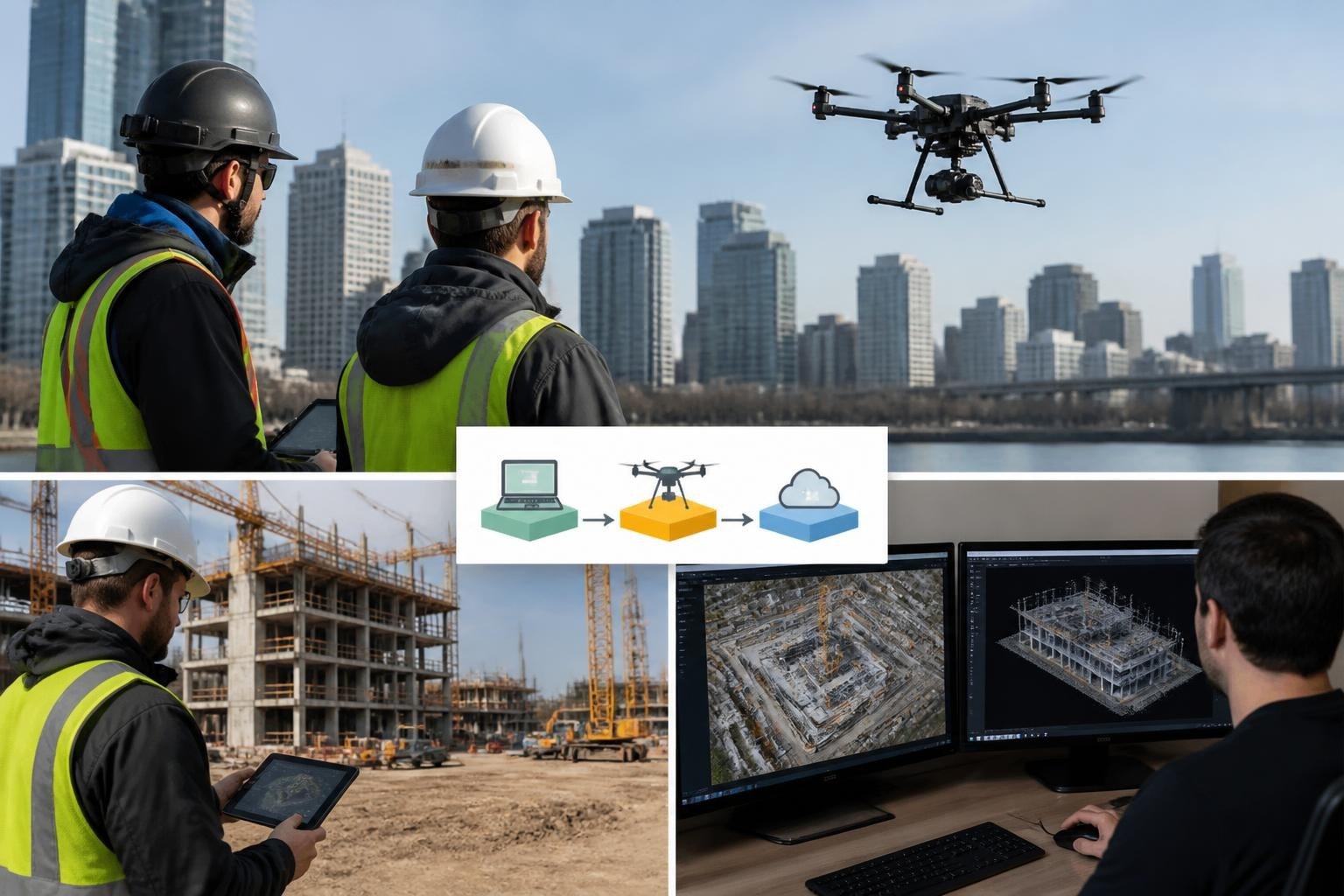
In February 2026, a construction client in Henderson, Nevada needed progress documentation for a mixed-use development. They wanted flyovers every two weeks for six months, consistent angles, and 4K files that their stakeholders could review in presentations. We programmed identical waypoint missions and returned on schedule, delivering repeatable video de drone footage that showed measurable site evolution over time.
Field Note (Mark, Lead Pilot): On the Henderson job, we locked the camera settings and saved the mission profile after the first flight. Every subsequent visit used the same altitude, gimbal angles, and speed. That consistency let the client create time-lapse sequences in post without manual alignment. It's a small detail that makes a big difference when your footage needs to stand up in boardroom presentations or investor updates.
Weather remains the biggest variable in video de drone work. We monitor wind speed, cloud cover, and precipitation up to launch time and maintain a 48-hour buffer for rescheduling. On days when conditions are marginal, we call the client early and offer alternatives: shift the time window, adjust the shot list to favor lower altitudes, or reschedule entirely. Transparent communication prevents wasted trips and keeps budgets intact.
Video de Drone Compliance and Data Handling
Professional video de drone operations require more than piloting skill. You need current FAA Part 107 certification, liability coverage, and a clear understanding of privacy and data protection norms. Every member of our crew holds Part 107 and stays current on airspace rules, operational limits, and waiver procedures. We also carry general liability and hull insurance, which clients often require for commercial shoots.
When you capture aerial video, you also collect geospatial metadata, timestamps, and occasionally identifiable structures or people. Responsible operators handle that data carefully. The NTIA's voluntary best practices for UAS privacy outline transparency, data retention, and public notice guidelines that we reference in our standard operating procedures. We also follow Cambridge University Press guidance on drones and data protection when working near sensitive sites or populated areas.
Key compliance checkpoints for video de drone work:
Current Part 107 remote pilot certificates for all crew
LAANC authorization or airspace waivers filed at least 48 hours before flight
General liability coverage (minimum $1M per occurrence)
Signed location releases and client agreements before launch
Secure file transfer and defined data retention policies
On a Phoenix film set in April 2026, we coordinated with the production's legal team to ensure our footage aligned with location agreements and talent releases. The director wanted wide establishing shots that included public streets and neighboring properties. We adjusted our flight paths to minimize identifiable faces and vehicles, and we provided the production company with GPS logs and timestamps for their records. That level of documentation protects everyone and keeps the project compliant.
International operators face additional layers. The European Union Aviation Safety Agency guidance covers cross-border operations and privacy norms for clients working in multiple jurisdictions, and the ICAO report on safe integration of unmanned aircraft outlines standards for commercial UAS work. While we primarily serve Arizona and Nevada, we reference these frameworks when advising clients on multi-region campaigns.
Video de Drone Trends and Client Expectations in 2026
The video de drone landscape continues to evolve as sensors improve, workflows tighten, and client expectations shift. In 2026, we see more requests for real-time monitoring, same-day turnarounds, and footage that integrates seamlessly with virtual production pipelines. Clients also expect higher dynamic range, cleaner low-light performance, and direct cloud delivery rather than physical media.
According to industry analysis, the global commercial drone market reached $32.8 billion in 2025 and is projected to grow at 13.2% annually through 2030 (source: Grand View Research, 2025). That growth reflects broader adoption across film, construction, real estate, and infrastructure sectors. Video de drone services account for a significant share of that demand, particularly in urban markets where traditional helicopter or crane shots cost more and carry higher logistical overhead.
What Clients Request Most Often
Cinematic establishing shots for commercials, branded content, and corporate videos
FPV sequences that follow talent or vehicles through dynamic environments
Progress documentation with repeatable angles for construction and development projects
Event coverage including festivals, concerts, and public gatherings (with permits)
Real estate tours combining aerial exteriors with interior gimbal work
We also see increasing interest in drone footage that matches specific creative references. Clients share YouTube links, stills from feature films, or screenshots from other projects and ask if we can replicate the look. The answer is usually yes, provided we have adequate prep time, matching light conditions, and access to the same airspace. For more on how we approach creative briefs, visit our main services page.
Codec preferences have shifted noticeably. In 2024, many clients accepted H.264 or H.265 files for web delivery. By 2026, ProRes and DNxHR are baseline expectations for any footage headed to professional post workflows. We've also started delivering LOG footage with embedded LUTs, saving colorists time in the grading suite. That extra step costs us nothing but adds measurable value for editors under deadline pressure.
A recent report from TechRadar highlights the best drones for 2025, emphasizing camera specs like sensor size, bitrate, and gimbal stabilization. Those factors directly impact video de drone quality, and we align our gear choices with the same criteria. When clients compare quotes, they often ask which cameras we fly and what formats we deliver. Transparent equipment lists and sample files answer those questions upfront.
Measuring Video de Drone ROI and Impact
Clients invest in professional video de drone services because the footage delivers measurable outcomes. A real estate developer closes sales faster when listings include aerial tours. A construction firm reduces RFI cycles by sharing weekly progress flyovers with stakeholders. A film production stays on budget by replacing helicopter time with drone aerials. Quantifying that impact helps justify the spend and guides future project planning.
Industry | Typical use case | Measurable outcome |
Film/TV | Establishing shots, B-roll | Reduced shoot days, lower crew costs vs. helicopter |
Construction | Progress documentation, site overviews | Faster stakeholder alignment, fewer site visits |
Real estate | Property tours, neighborhood context | Higher engagement, shorter time on market |
Marketing | Branded content, event coverage | Increased video views, stronger social metrics |
On the Henderson construction project mentioned earlier, the client reported that biweekly aerial updates reduced onsite meetings by approximately 30% over the six-month timeline. Stakeholders reviewed video de drone files remotely, flagged concerns via timestamped comments, and made decisions without coordinating site visits. That efficiency translated directly to cost savings and accelerated decision cycles.
For commercial and advertising clients, the ROI often shows up in production timelines. A Phoenix agency shooting a tourism spot in May 2026 allocated one day for aerials. We completed the shot list in four hours, delivered files by end of day, and the editor had rough cuts assembled the next morning. The director estimated that traditional helicopter aerials would have required two shoot days, additional crew, and logistical coordination with the pilot and safety officer. Video de drone work simplified the entire process.
When evaluating proposals, ask for sample deliverables and timelines. Professional operators provide shot lists, delivery formats, and backup plans as part of the quote. We also include post-flight debriefs and GPS logs, which matter when you need documentation for permits, insurance claims, or compliance audits. Transparency at every stage protects your investment and ensures the footage meets your standards.
Integrating Video de Drone Into Your Broader Production Workflow
Aerial footage works best when it integrates seamlessly with your ground cameras, lighting, and post pipeline. We coordinate with DPs, gaffers, and editors to ensure our video de drone deliverables match your existing workflow. That coordination includes sharing camera specs before the shoot, confirming timecode sync methods, and delivering files in the same folder structure your team already uses.
On a Las Vegas corporate video in March 2026, the client's DP shot interviews and B-roll on a Sony FX9. We matched our Inspire 3 settings to the FX9's S-Log3 profile, delivered ProRes files at the same frame rate, and embedded matching timecode for multicam editing. The editor dropped our aerials directly into the timeline without transcoding or color correction. That compatibility saved hours in post and kept the project on deadline.
Typical integration steps:
Confirm primary camera system and log profile during pre-production.
Match drone footage to the same codec, frame rate, and color space.
Deliver files with embedded timecode or synchronized file naming.
Provide LUTs or reference stills if the DP requests them.
Include camera reports and GPS metadata for archival and compliance.
We also offer on-set monitoring when clients want real-time feedback. A calibrated field monitor displays live transmission from the drone, allowing directors and DPs to approve shots before we land. That capability reduces guesswork and eliminates the need for reshoots. For more on how we handle aerial photography and videography across different project types, explore our related posts.
Field Note (Mark, Lead Pilot): On larger productions, we coordinate directly with the first AD to slot our flights into the shooting schedule. If the crew is moving to a new location at 10:00, we launch at 09:30 and deliver files before the next setup. That rhythm keeps everyone productive and avoids downtime. It also means the director can review aerials during lunch and decide if additional coverage is needed before wrap.
Editing teams appreciate clean file organization. We label every clip with location, time, camera settings, and flight number. If you request specific naming conventions or folder structures, we follow them. Small details like consistent file names and embedded metadata streamline post-production and reduce confusion when multiple departments share the same assets.
Common Video de Drone Challenges and How We Solve Them
Even with careful planning, aerial video work encounters obstacles. Wind, changing light, restricted airspace, and equipment failures can derail schedules if you don't have contingency plans. We build redundancy into every shoot: backup airframes, spare batteries, alternative flight paths, and flexible timelines when weather threatens.
Frequent challenges and our solutions:
Wind gusts exceeding safe limits: We monitor real-time weather and shift shoot times or adjust altitudes to stay within safe flight envelopes.
Airspace restrictions or TFRs: We file LAANC or waiver requests early and maintain direct contact with local air traffic control.
Equipment failure mid-flight: Redundant airframes and hot-swappable batteries minimize downtime; we've never missed a delivery due to gear failure.
Lighting changes during long shoots: We program camera settings for variable light and adjust ISO, shutter, or ND filters between takes.
Client requests for additional angles on-site: We carry extra batteries and allocate buffer time in the schedule for ad-hoc shots.
In April 2026, a Phoenix advertising client requested last-minute changes to the shot list while we were onsite. The director wanted a low-altitude tracking shot that wasn't in the original plan. We had a backup Mavic 3 Cine ready, programmed the new flight path in under five minutes, and delivered the additional clip without extending the shoot window. That flexibility came from experience and preparation, not luck.
For projects that require coordination with manned aircraft or operate near busy airspace, we follow FAA drone laws and maintain open communication with tower controllers. On a Scottsdale job in Class D airspace, we received real-time updates from the tower when traffic patterns shifted. That coordination kept our operations safe and compliant, and the client never experienced delays.
If you're comparing drone operators, ask how they handle equipment failures, weather delays, and airspace issues. Professional crews have documented contingency plans, not just verbal assurances. We provide those plans in writing during the proposal stage, so you know exactly what happens if conditions change.
Frequently Asked Questions
What is video de drone and how does it differ from regular drone footage? Video de drone is the Spanish term for drone video, but it's often used to describe professional aerial cinematography rather than casual hobbyist clips. The difference lies in planning, equipment, codec selection, and delivery timelines that match commercial production standards. Professional video de drone services include airspace coordination, backup gear, and post-production-ready files.
How much does professional video de drone service cost in Arizona and Nevada? Costs vary based on project scope, location, gear requirements, and turnaround time. A half-day shoot with a single airframe and standard deliverables typically ranges from $1,500 to $3,500. Complex projects involving multiple drones, FPV rigs, or extended timelines cost more. We provide transparent quotes with line-item breakdowns so you know exactly what you're paying for.
What permits and approvals do you need for aerial video in Phoenix or Las Vegas? Most commercial video de drone work requires FAA Part 107 certification, LAANC authorization for controlled airspace, and general liability insurance. Depending on your location and shoot type, you may also need local permits, property owner releases, or waivers for operations beyond visual line of sight. We handle all regulatory requirements as part of our service and coordinate directly with air traffic control when needed.
Can you match drone footage to our existing cameras and post workflow? Yes. We confirm your primary camera system, log profile, and codec preferences during pre-production, then match our drone settings accordingly. We deliver ProRes, DNxHR, or raw files at your specified frame rate and aspect ratio, with embedded timecode or synchronized file naming. That integration ensures seamless editing and eliminates transcoding delays.
How quickly can you deliver video de drone files after a shoot? We typically deliver files the same day via secure cloud link or next-day via hard drive, depending on file size and your preference. For time-sensitive projects like news coverage or live events, we can transfer footage within hours of landing. Turnaround is part of the project plan, and we confirm delivery timelines before the shoot date.
Professional video de drone services deliver more than aerial shots; they provide repeatable results, clean integration with your production workflow, and zero surprises on delivery day. Whether you need cinematic establishing shots for a commercial, progress documentation for a construction site, or FPV sequences that follow talent through dynamic environments, the right crew makes the difference. Since 2014, Extreme Aerial Productions has delivered dependable aerial video and data capture across Arizona and Nevada, arriving with the right gear, handling permits and airspace, and transferring files on schedule. Ready to lock your next aerial shoot? Contact us for a fast quote or book a 15-minute scout call to finalize the plan, the equipment, and the date.
Comments